
20 Adaptive Clothing Ideas for Arthritis and Joint Pain
Struggling with buttons and zippers? Discover 20 smart adaptive clothing ideas designed for arthritis and joint pain to make dressing easy, stylish, and pain-free.

I think anyone who lives with joint pain knows that moment. You are standing in front of your closet, you already know which outfit you want to wear, and then you remember the tiny buttons, the stiff zipper, and the shirt that has to go over your head. Suddenly something that should take two minutes feels like a workout before the day has even started.
That is exactly how I started learning about adaptive clothing. Watching someone I love struggle with morning stiffness made me realize how much of our everyday clothing is designed for hands and shoulders that move without pain. The good news is that there are so many thoughtful options now, and many of them look just like regular fashion. Those were always my favorites because they felt like real wardrobes, not medical supplies.
I quickly realized that adaptive dressing is not about giving up style. It is about choosing the details that make your body feel supported every time you get dressed. A magnetic button, a softer fabric, a looser sleeve, or a pair of shoes you can slip on without bending down can completely change your morning.
In this post, I am sharing my favorite adaptive clothing ideas for arthritis, joint pain, and other limited mobility conditions. Some are tiny swaps, some are bigger wardrobe changes, but every single one is meant to help you feel comfortable, independent, and confident in what you wear.
A quick note: I am not a doctor or an occupational therapist. If you are unsure what will work for your body, it is always worth asking your healthcare provider or an occupational therapist for personalized advice.
20 Adaptive Clothing Ideas for Arthritis and Joint Pain#
1. Switch to Magnetic Button Shirts#
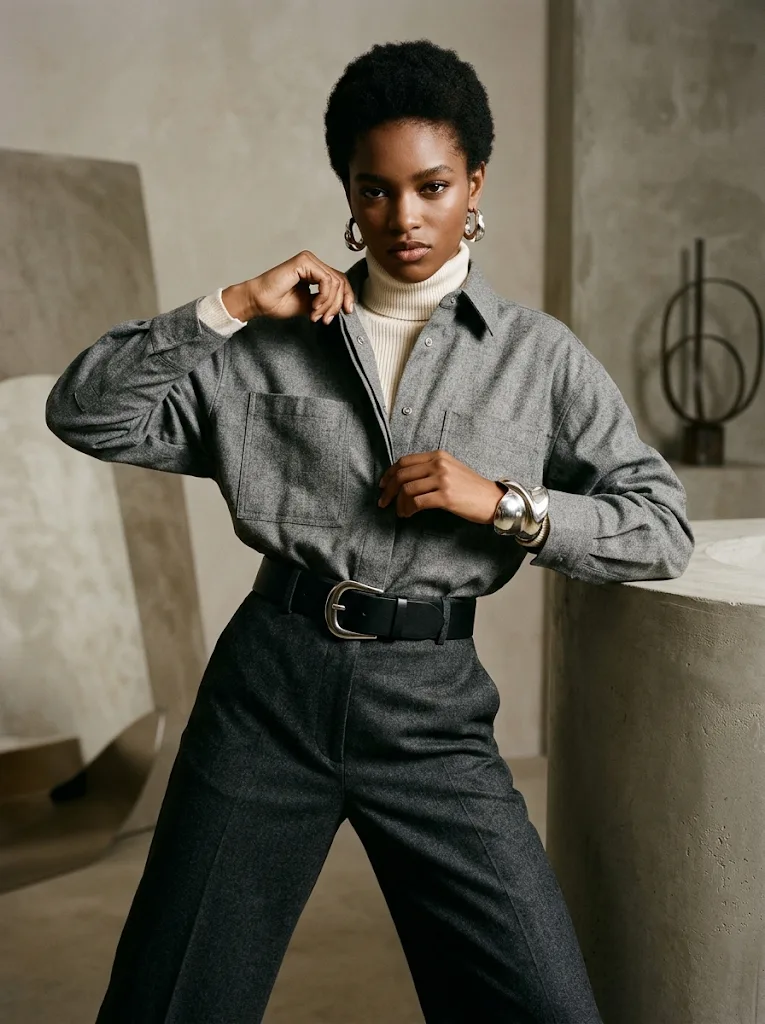
Small buttons are one of the hardest parts of getting dressed when your fingers are stiff or swollen. Magnetic closures solve this by hiding strong little magnets behind the button placket, so the shirt looks traditional but closes with a simple press.
Look for button-up shirts and blouses with magnetic closures in everyday styles like oxfords, flannels, and soft cotton shirts. Nobody will be able to tell the difference, but your fingers definitely will.
It is one of the easiest upgrades you can make, and often the one people love the most.
2. Choose Tops With Wide Necklines#
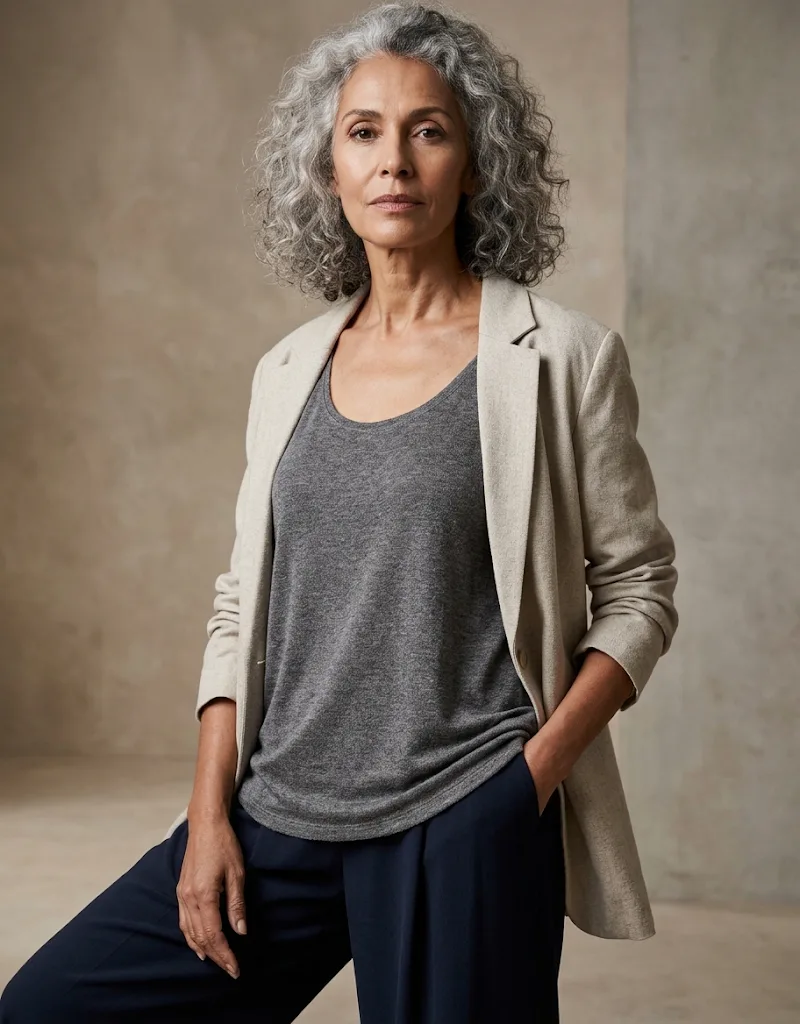
Pulling a snug top over your head can be painful when your shoulders, neck, or elbows are sore. A wider neckline, like a boat neck, scoop neck, or relaxed crew neck, gives you more room so the top slides on with less effort.
Choose fabrics with a little stretch, and look for styles that skim the body instead of clinging to it. A loose fit also makes it easier to adjust your clothes during the day.
3. Wear Pull-On Pants With Elastic Waists#
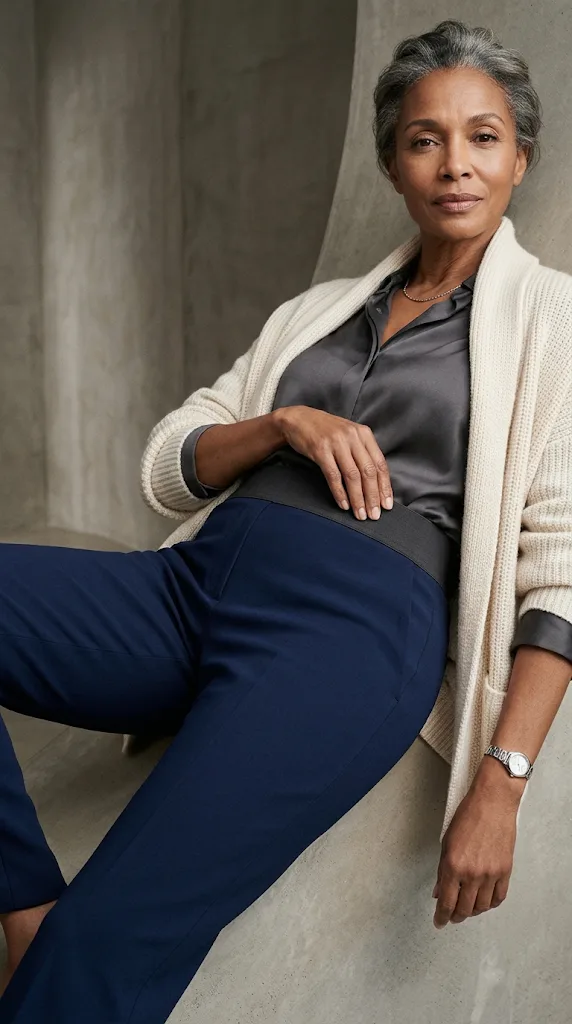
Fastening a stiff button and zipper takes a surprising amount of finger strength and wrist movement. Pull-on pants remove that step completely, which makes dressing faster and far less frustrating.
Elastic waistbands do not have to look sloppy. Many brands now make polished trousers, wide-leg pants, and tailored joggers with hidden elastic that look put together enough for work or dinner.
4. Replace Hard Closures With Velcro#

Hook-and-loop closures are a lifesaver when buttons, snaps, and buckles are difficult to grip. They can be added to cuffs, waistbands, jacket fronts, and even shoes, and they can be adjusted with the side of your hand instead of your fingertips.
Many adaptive brands use Velcro in discreet places so the garment still looks ordinary from the outside. A tailor can also swap closures on clothes you already own.
5. Add Large Zipper Pulls#
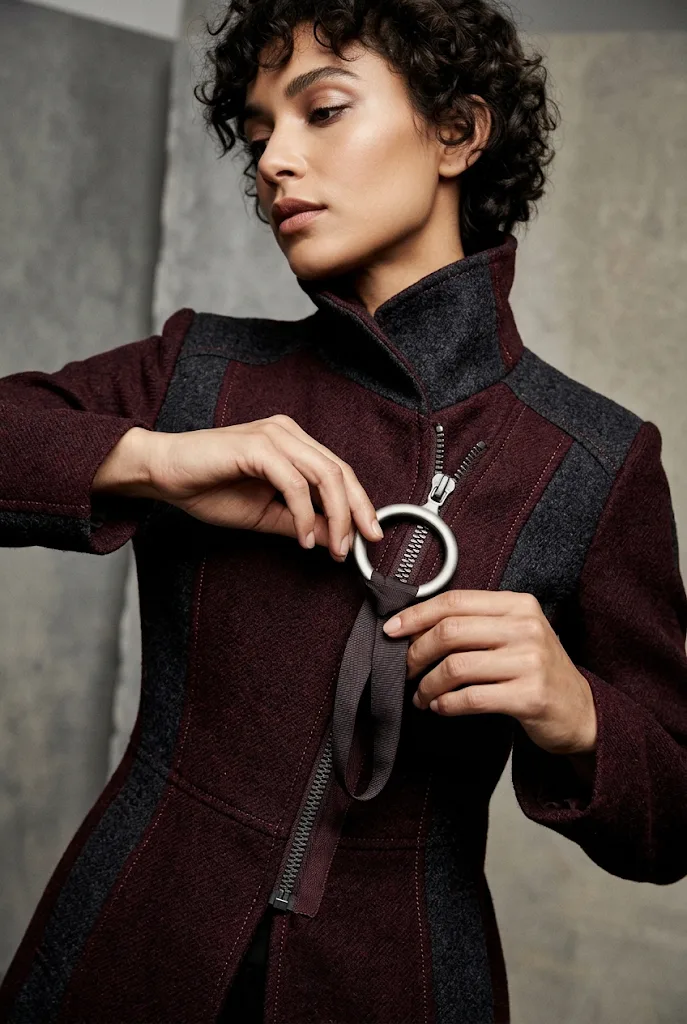
Tiny zipper tabs are almost impossible to grip when your hands hurt. Adding a larger pull, a ring, or a loop of ribbon or cord gives your fingers something much easier to hold.
This is also one of the cheapest fixes on the list. You can upgrade jackets, hoodies, boots, and bags in just a few minutes, and the whole outfit instantly becomes easier to use.
6. Try Front-Closure and Adaptive Bras#
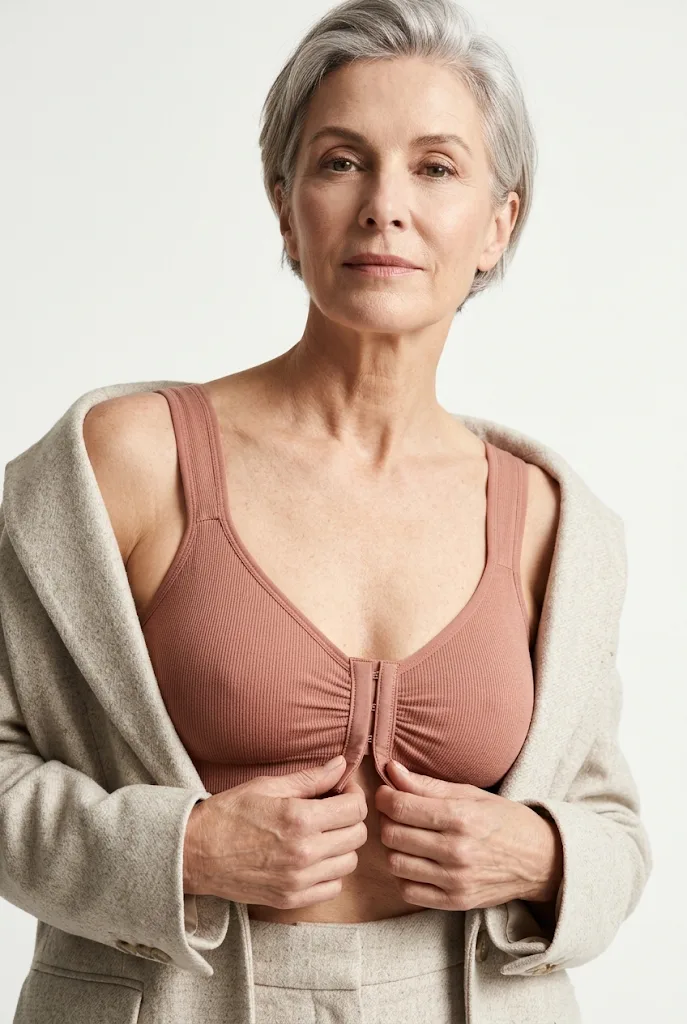
Reaching behind your back to fasten a hook can be painful with shoulder, neck, or hand arthritis. Front-closure bras let you fasten everything where you can see and reach it.
Look for options with magnetic clasps, wide soft straps, and no underwire. Pull-on styles and soft bralettes with no closures at all are also wonderful for comfort and easy dressing.
7. Choose Slip-On Shoes#

Bending down to tie laces or squeeze into a stiff shoe is hard on your hips, knees, back, and hands. Slip-on shoes with a wide opening and a soft heel let you step in and go.
For extra support, look for cushioned insoles, wide toe boxes, and shoes with a little room for swelling. Many slip-on sneakers now look just like regular trainers, so you can stay stylish while protecting your joints.
8. Upgrade Your Laces With Elastic or Magnetic Options#
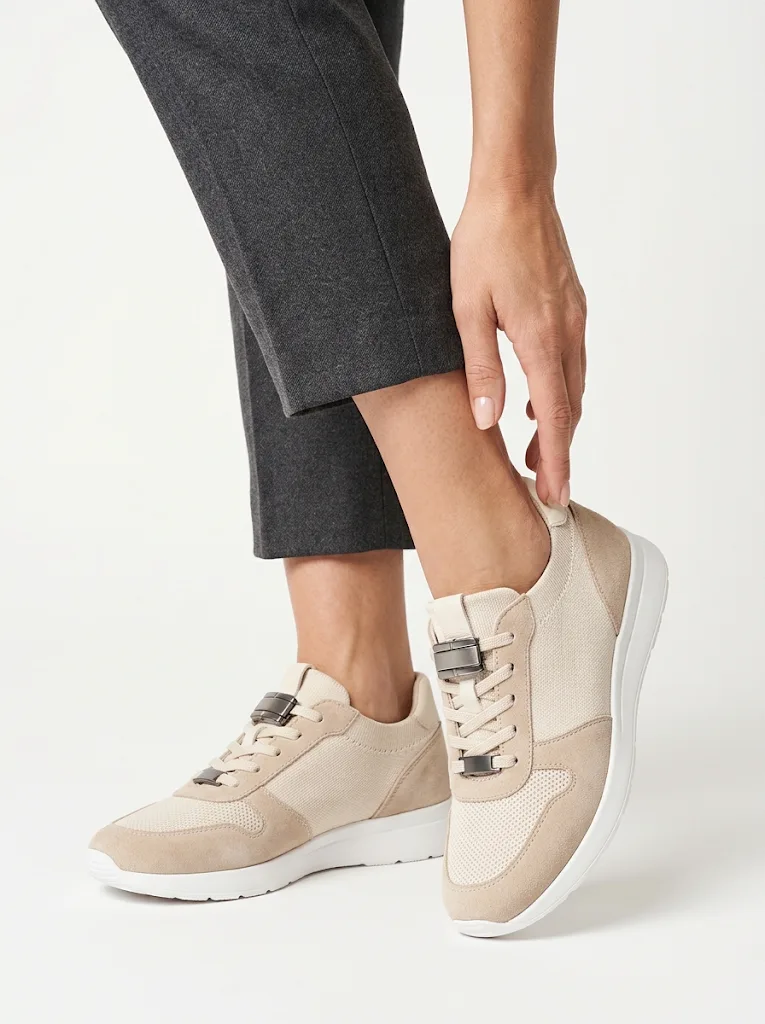
If you love your lace-up sneakers, you do not have to give them up. Elastic laces, lock laces, and magnetic shoe closures turn your favorite pair into a no-tie shoe.
Once they are adjusted to fit, you can slip your feet in and out without bending down or pulling a knot tight. It is a small change that saves your hands and your back every single day.
9. Pick Soft, Seamless Fabrics#
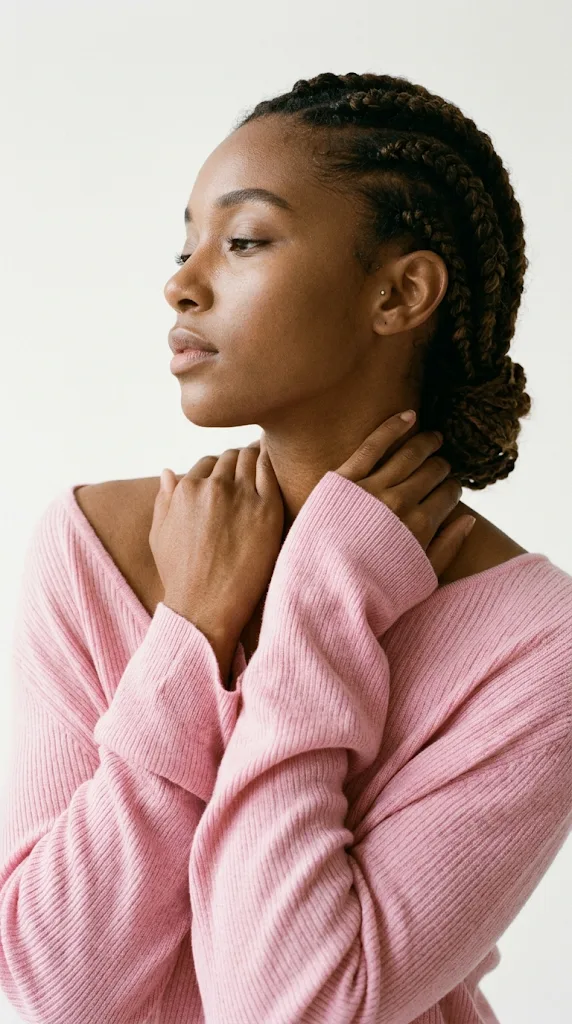
When your joints are sore, even the texture of your clothes can feel irritating. Rough seams, scratchy tags, and stiff fabrics add pressure in places that already hurt.
Choose soft cotton, bamboo, modal, and brushed knits, and look for flat seams and tag less labels. The softer your clothes feel on your skin, the more comfortable you will be from morning to night.
10. Look for Fabrics With Stretch#
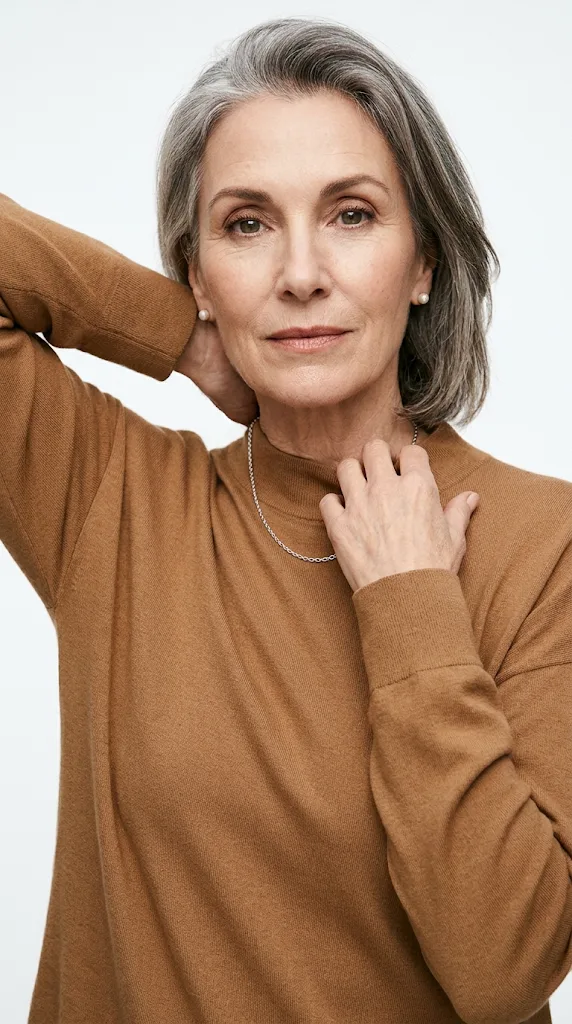
A little stretch makes dressing so much easier because the fabric moves with you instead of fighting you. It is especially helpful on days when your range of motion is more limited.
Stretch cotton, jersey, and knit blends work beautifully for tops, pants, and dresses. Just make sure the stretch is gentle and supportive rather than tight, since very snug clothes can add pressure to sore joints.
11. Pick Roomy Sleeves and Armholes#
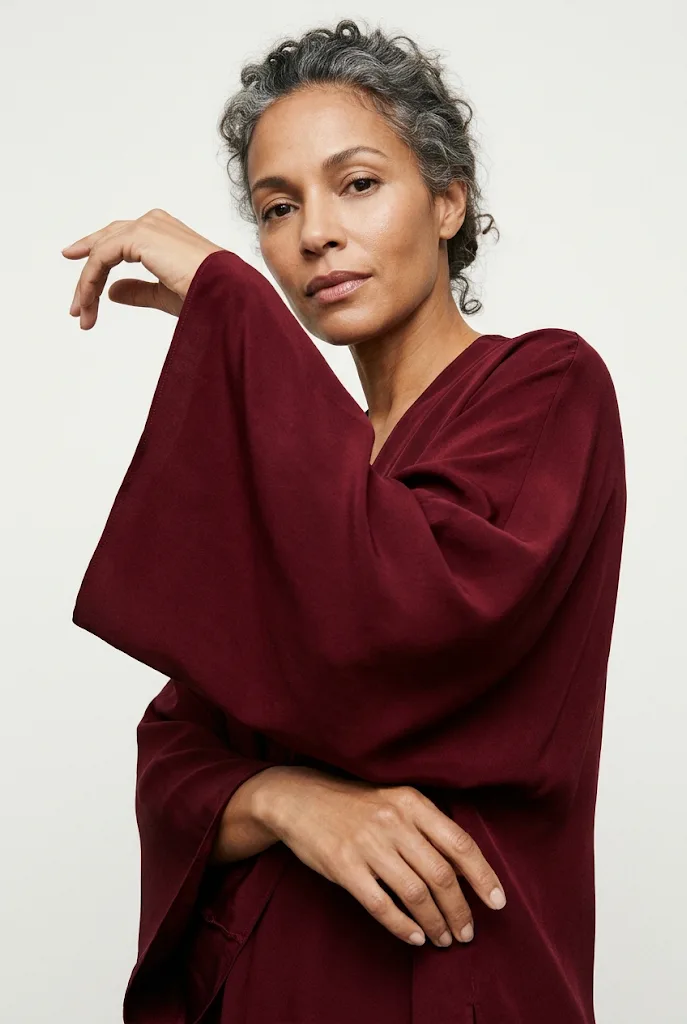
Narrow sleeves can be painful to push your arms through, especially with shoulder or elbow pain. Raglan sleeves, kimono sleeves, and generous armholes make it much easier to move.
They also look relaxed and effortless, which is why you will often see them in cozy knits and flowy blouses. If a top has room to move, getting it on and off becomes much less of a battle.
12. Choose Wrap and Open-Front Styles#
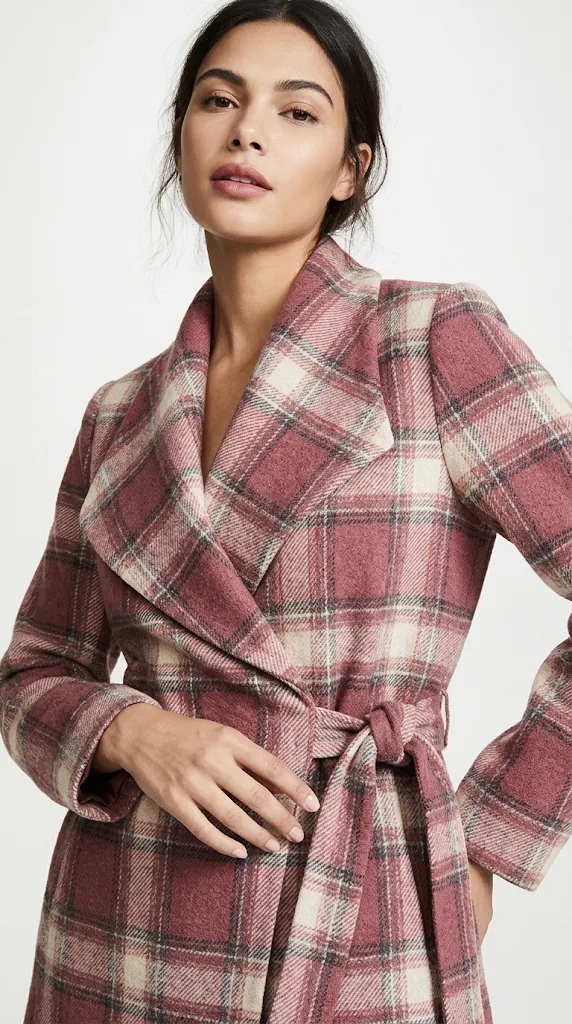
Wrap tops, cardigans, open-front jackets, and duster coats are some of the easiest pieces to put on. You can slide your arms in one at a time without lifting anything over your head.
They also layer beautifully, so you can adjust to changing temperatures during the day. It is a simple way to look polished while keeping dressing as gentle as possible.
13. Consider Side-Zip or Open-Side Pants#
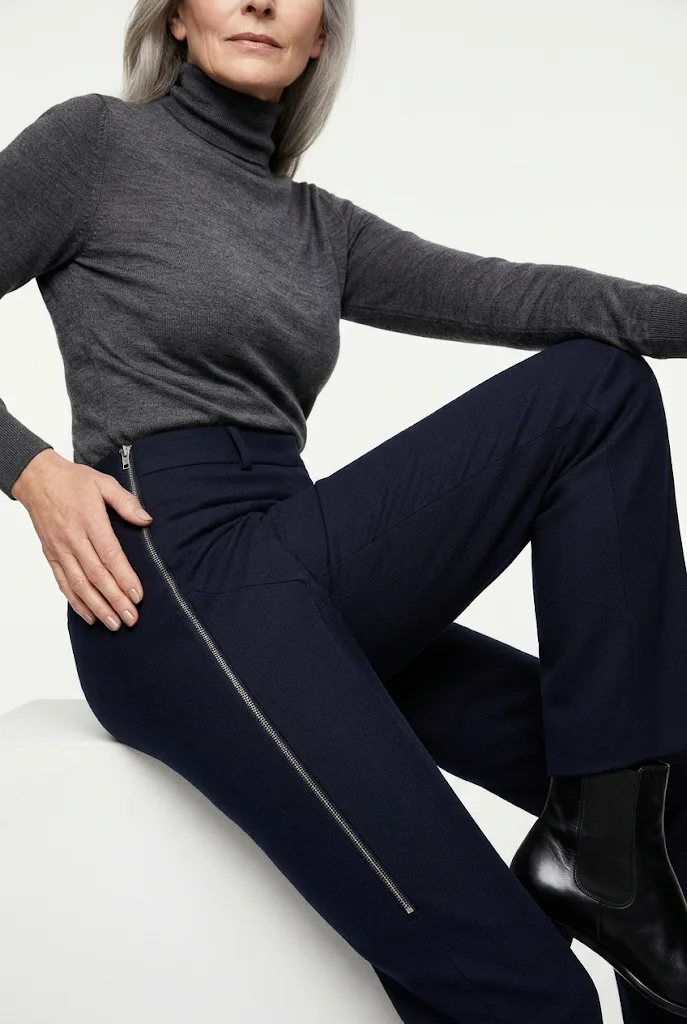
Some adaptive pants have zippers or Velcro along the sides of the legs, which makes dressing easier for people who have trouble lifting their legs or reaching the waistband. They can be especially helpful for anyone who dresses while seated.
These are designed for people with more limited mobility, and many styles look just like regular trousers. If standing for long stretches is difficult, this style can make a big difference. Understanding adaptive fashion and why it matters also highlights how thoughtful clothing features can make everyday dressing more comfortable, accessible, and stylish.
14. Keep Your Joints Warm With Cozy Layers#
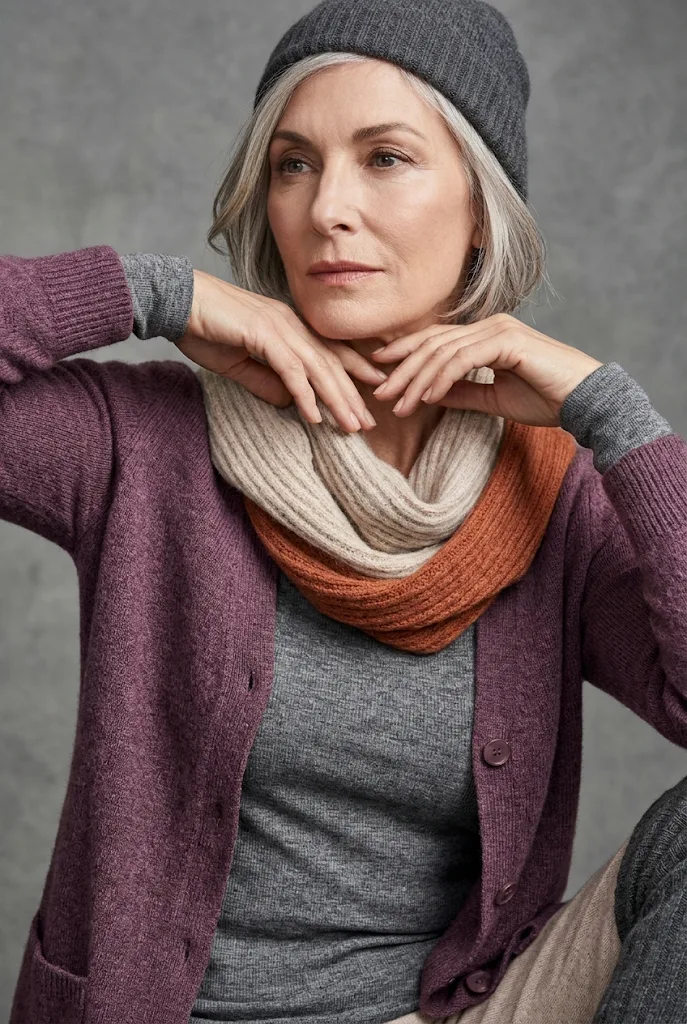
Cold weather can make joints feel stiffer, so keeping warm is part of dressing for comfort. Lightweight layers help you adjust throughout the day without piling on heavy, restrictive pieces.
Long-sleeve thermal tops, soft knit cardigans, leg warmers, and cozy scarves are wonderful for chilly mornings. Warm, breathable fabrics help your body stay comfortable without making you feel bulky.
15. Wear Compression Gloves and Supportive Sleeves#
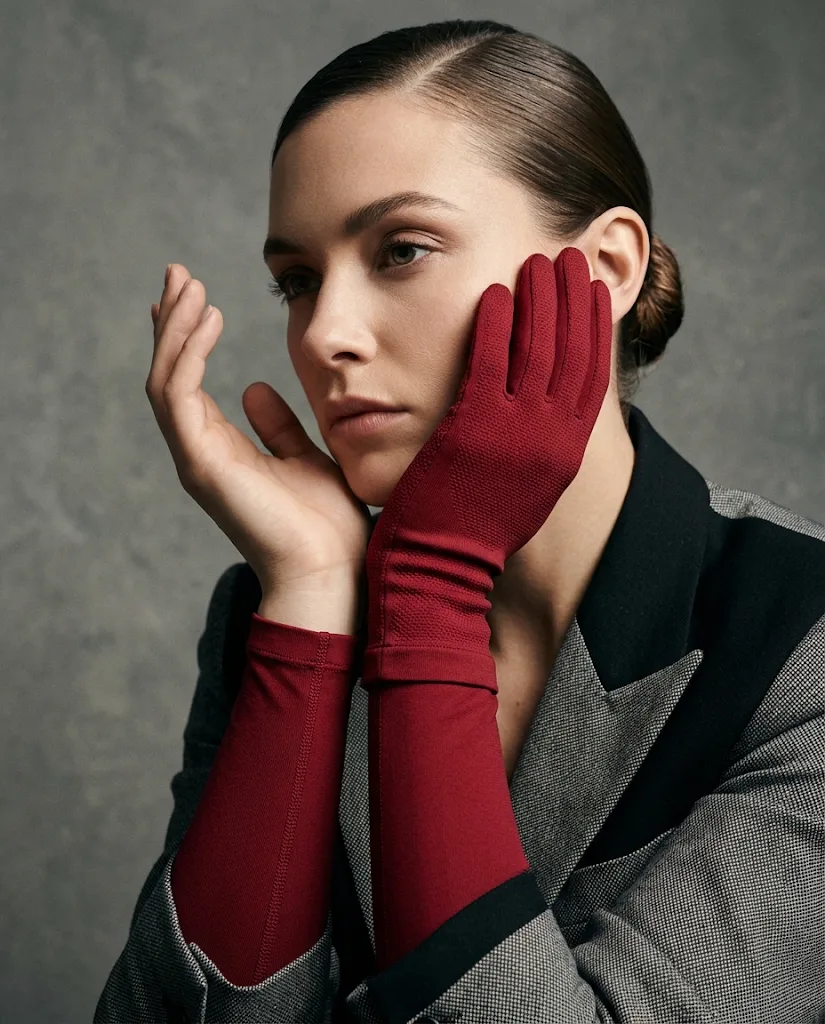
Many people find that gentle compression helps their hands, wrists, knees, and elbows feel warmer and more supported. Compression gloves are especially popular for stiff, achy fingers.
Because everyone’s needs are different, it is worth asking your doctor or occupational therapist which type and level of compression is right for you before you buy.
16. Add Dressing Aids to Your Routine#
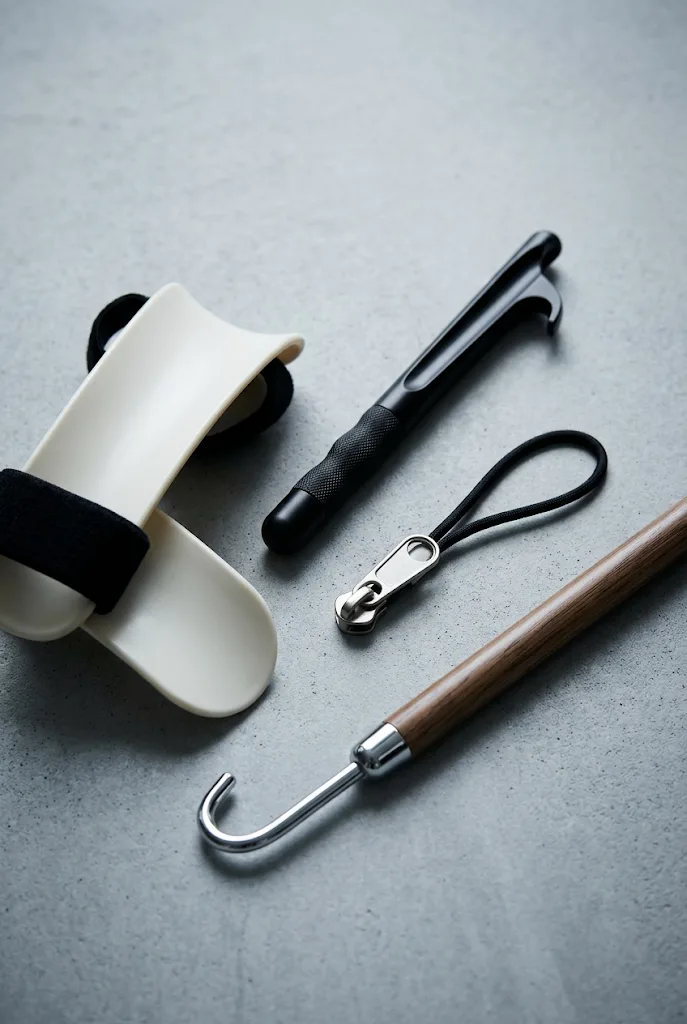
Sometimes the easiest solution is a little tool. Button hooks, zipper pulls, sock aids, and long-handled dressing sticks help you dress without bending, twisting, or gripping too hard.
They are inexpensive, compact, and surprisingly effective. Keeping a few near your closet or bed makes it easy to reach for them whenever you need an extra hand. Paired with practical clothing choices, these small adjustments can make getting dressed much easier. For more inspiration, see these 10 stylish everyday outfits for women with disabilities, featuring comfortable looks designed with everyday dressing needs in mind.
17. Choose Easy-On Socks#
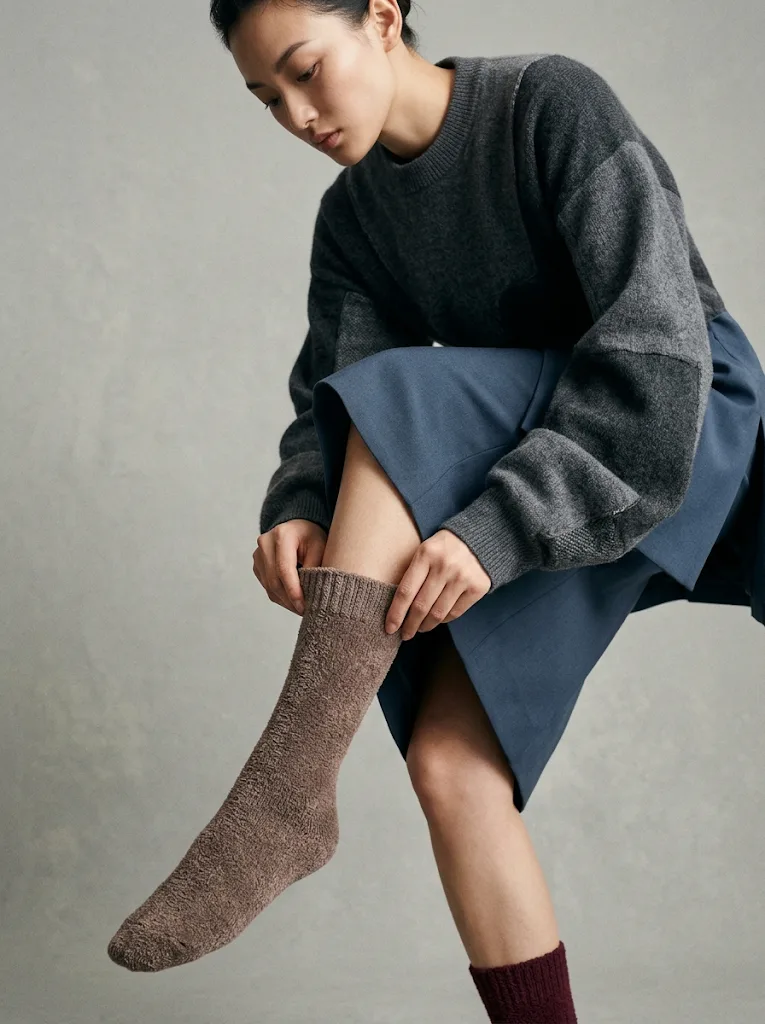
Socks can be one of the most frustrating parts of getting dressed. Look for socks with soft, non-binding tops that will not dig into your ankles or restrict circulation.
A sock aid can also help you slide them on without bending forward. Seamless toes and cushioned soles add comfort, especially if your feet are sensitive.
18. Pick Comfortable Adaptive Sleepwear#
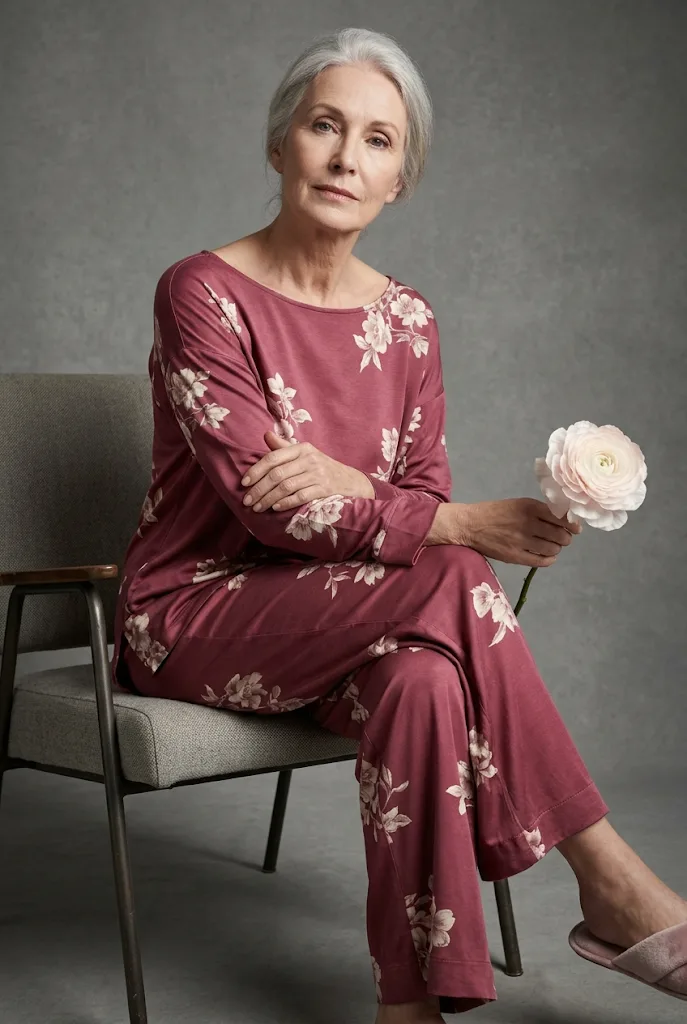
Good sleep matters even more when you are managing pain. Look for pajamas with soft fabrics, loose fits, and easy closures like magnetic buttons or wide-necked tops.
Nightgowns, wrap robes, and relaxed pajama sets can also make it easier to change positions during the night. Waking up comfortable can set the tone for the whole day.
19. Try Seated-Friendly Clothing#
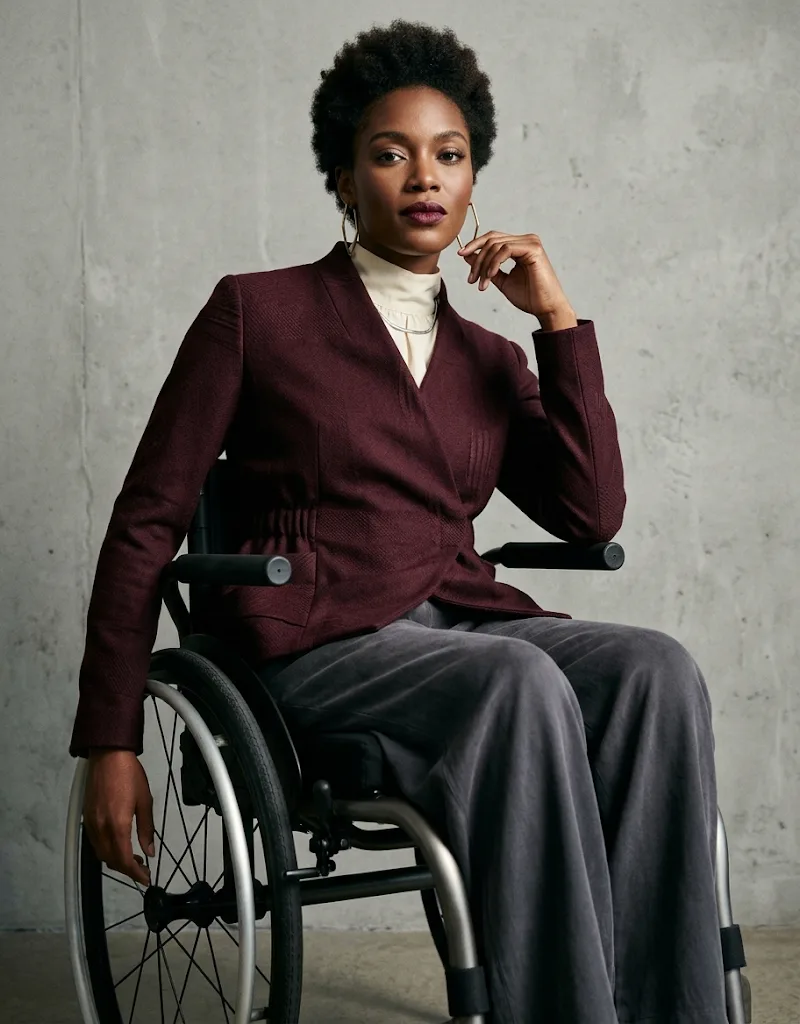
If you use a wheelchair or spend much of the day sitting, regular clothing can bunch, ride up, or press on your lower back. Seated-friendly pieces are cut longer in the back and shorter in the front for a smoother, more comfortable fit. Choosing the right dress length and silhouette can make a big difference, so these adaptive dresses for seated wear offer practical and stylish ideas for finding a comfortable fit.
Look for soft waistbands, flat seams, and fabrics that will not rub. Jackets and capes designed for wheelchair users also help keep you warm without bulky material behind you.
20. Build a Simple Capsule Wardrobe#
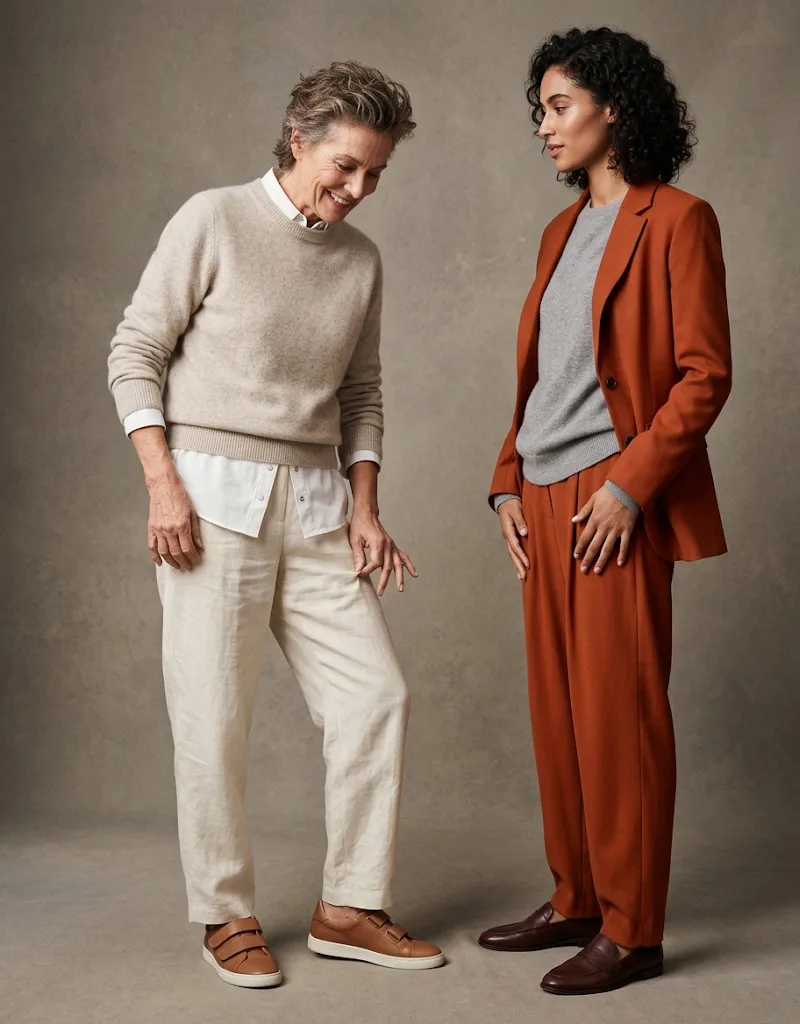
When getting dressed takes energy, fewer choices can be a gift. A capsule wardrobe built from easy, comfortable pieces means everything in your closet works together.
Choose a few favorite colors, then fill your closet with adaptive tops, pants, layers, and shoes that all mix and match. On low-energy days you can grab an outfit in seconds and still feel like yourself.
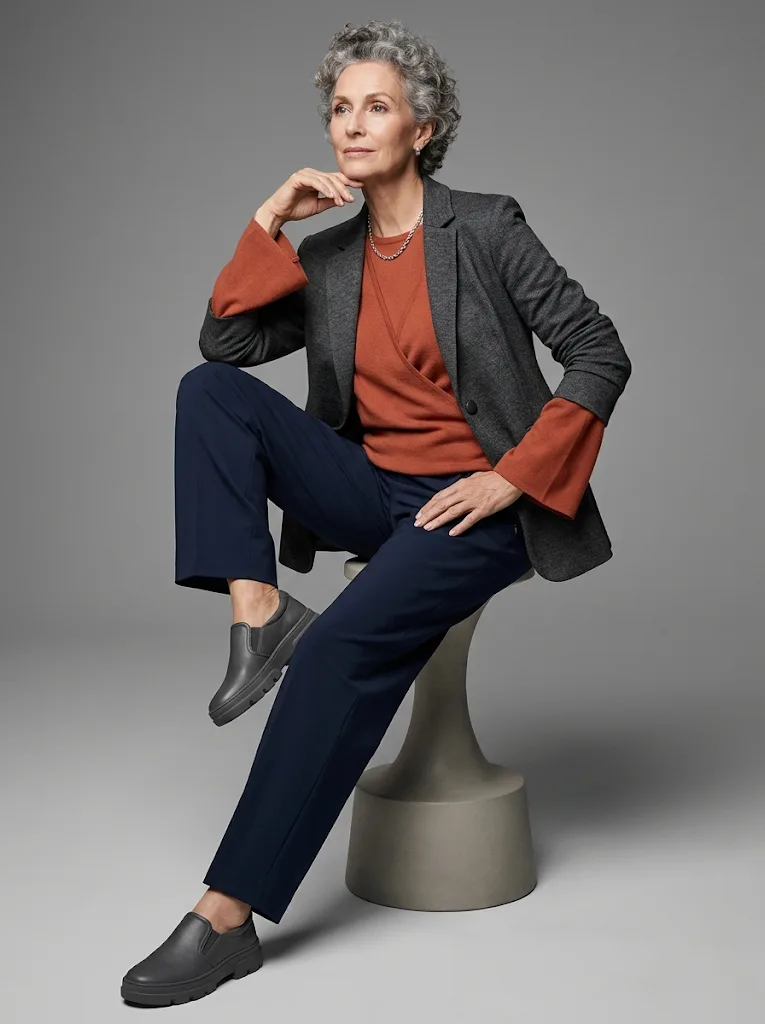
Adaptive clothing is really about making your life easier and your mornings kinder. It does not matter whether you live with arthritis, chronic joint pain, or another mobility condition. There are countless ways to dress in a way that feels comfortable, independent, and true to your style.
Start with one or two of these adaptive clothing ideas instead of changing your whole wardrobe at once. Magnetic buttons, pull-on pants, or a pair of slip-on shoes can completely change how your day begins.
Most importantly, choose clothes that support you on both your best and hardest days. You deserve to feel comfortable in your body and confident in what you wear, and those little details are what turn getting dressed from a struggle into something that simply feels good.
Her Way to Style celebrates fashion for every woman, with a commitment to inclusive representation, personal expression, and style that makes room for everyone.
About the author
Chioma Arinze
More from Chioma ArinzeKeep reading
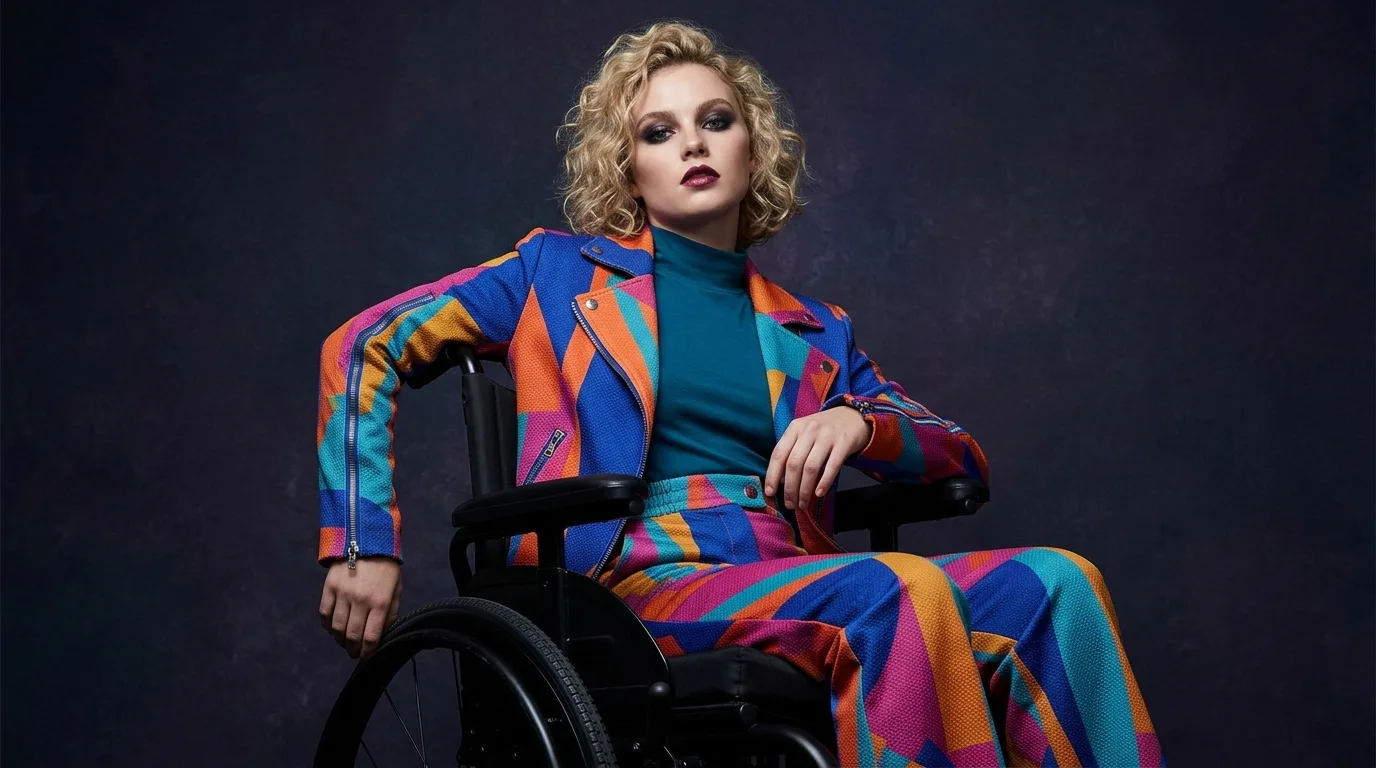
How to Choose Adaptive Dresses for Seated Wear
Find out how to choose stylish adaptive dresses for seated wear. Explore comfortable fabrics, flattering cuts, practical details, and wheelchair-friendly designs.
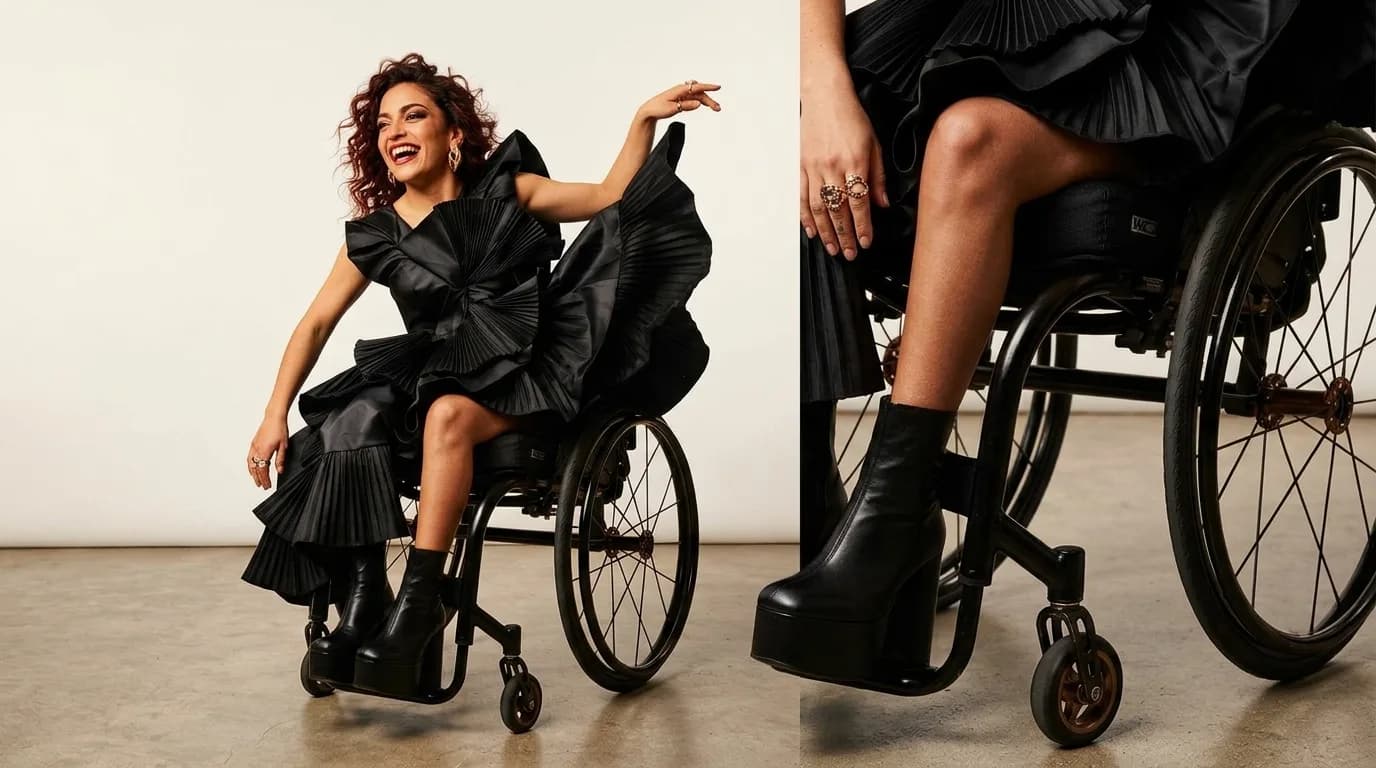
The Difference Between Adaptive and Inclusive Fashion
Learn the key differences between adaptive and inclusive fashion, why both matter, and how functional design creates accessible, stylish clothing for everyone.
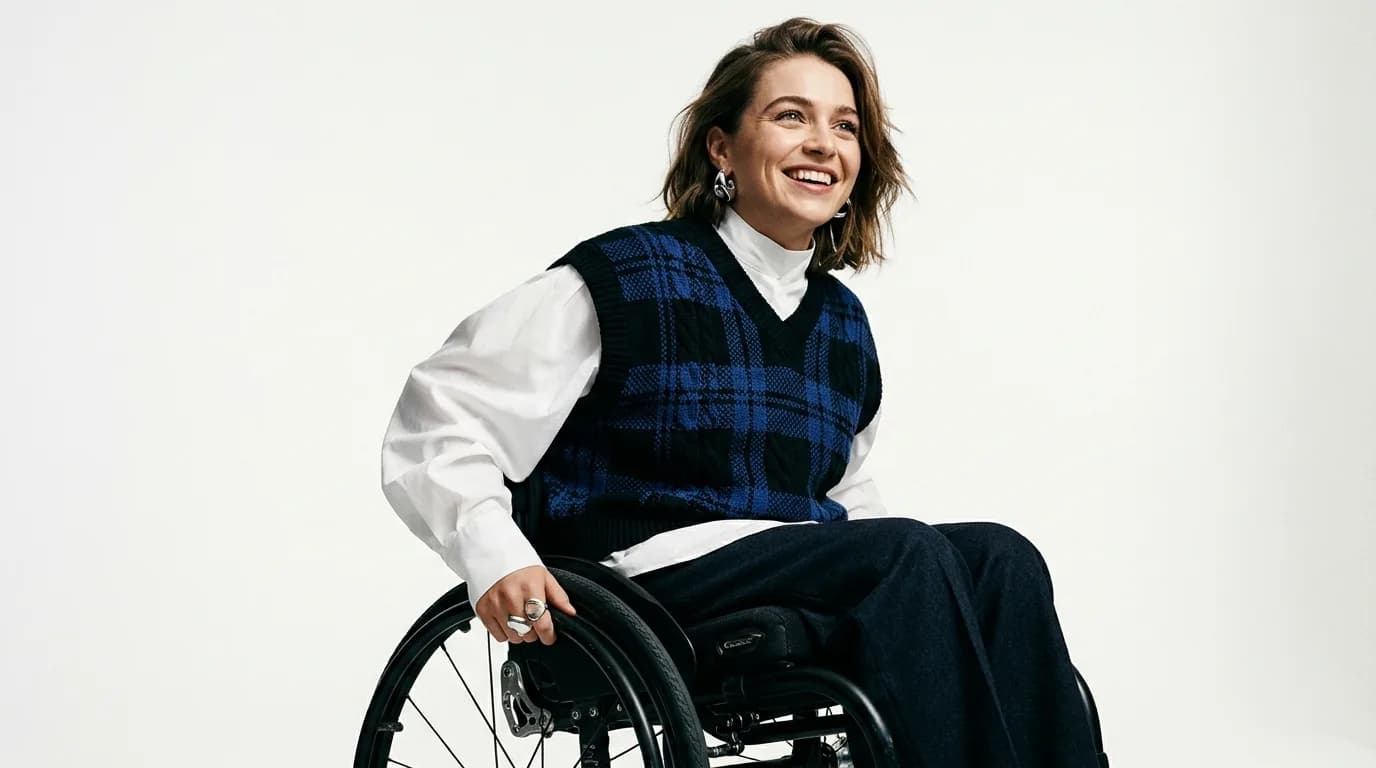
What Is Adaptive Fashion and Why It Matters
Learn what adaptive fashion is, how accessible clothing makes everyday dressing easier, and why inclusive style matters for people with disabilities.
Style notes, twice a month
Adaptive fashion finds, accessible brands worth your money, and honest reviews. No spam, unsubscribe any time.