What Is Adaptive Fashion and Why It Matters
Learn what adaptive fashion is, how accessible clothing makes everyday dressing easier, and why inclusive style matters for people with disabilities.
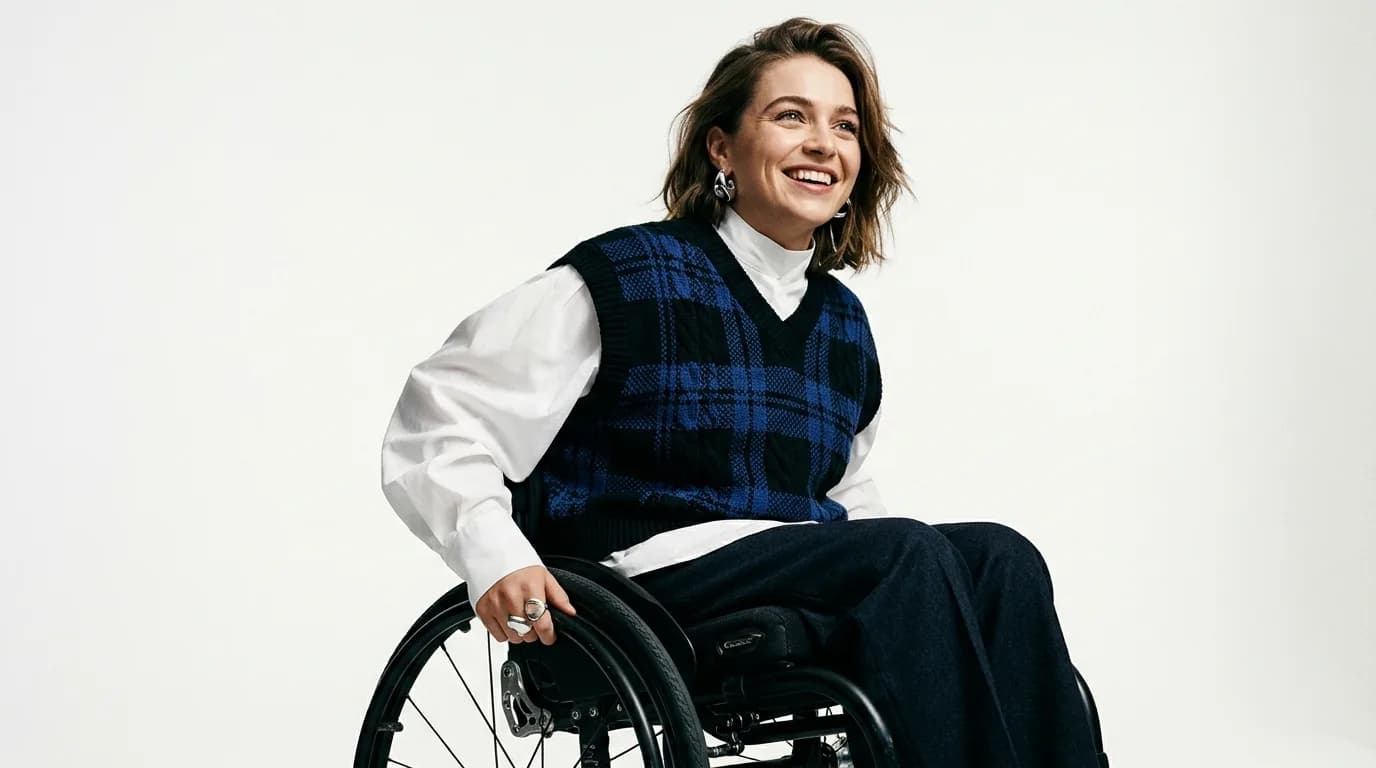
Fashion should be for everyone, but finding clothes that look good, feel comfortable, and are easy to wear isn't always simple. For people with disabilities, limited mobility, or sensory sensitivities, getting dressed can come with challenges that many clothing brands overlook. That's where adaptive fashion comes in.
Adaptive fashion is changing how we think about clothing by making style more accessible, practical, and inclusive.
What Is Adaptive Fashion?#
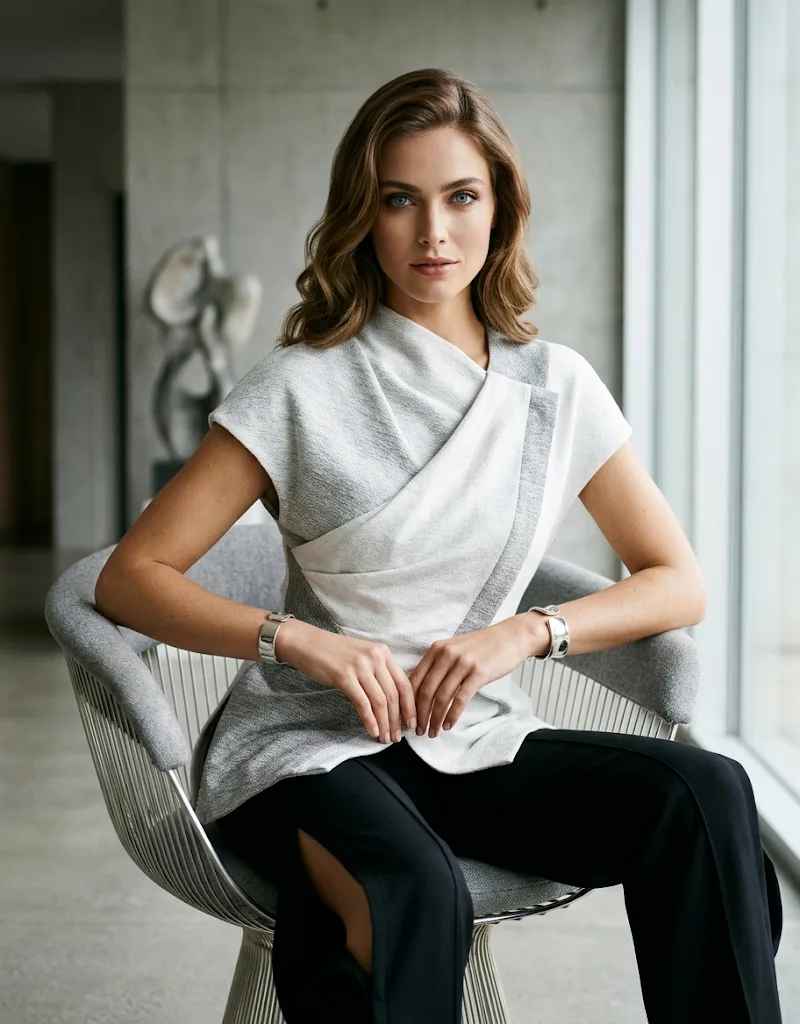
Adaptive fashion refers to clothing and accessories designed to meet the needs of people with disabilities, mobility challenges, and other specific dressing requirements.
Instead of focusing on appearance alone, these designs combine style with features that make getting dressed easier and more comfortable.
Some common features include:
- Magnetic closures or easy-to-use fastenings instead of traditional buttons.
- Side openings and adjustable waistbands for easier dressing.
- Seamless fabrics and soft labels for people with sensory sensitivities.
- Shoes with convenient fastenings or wider openings.
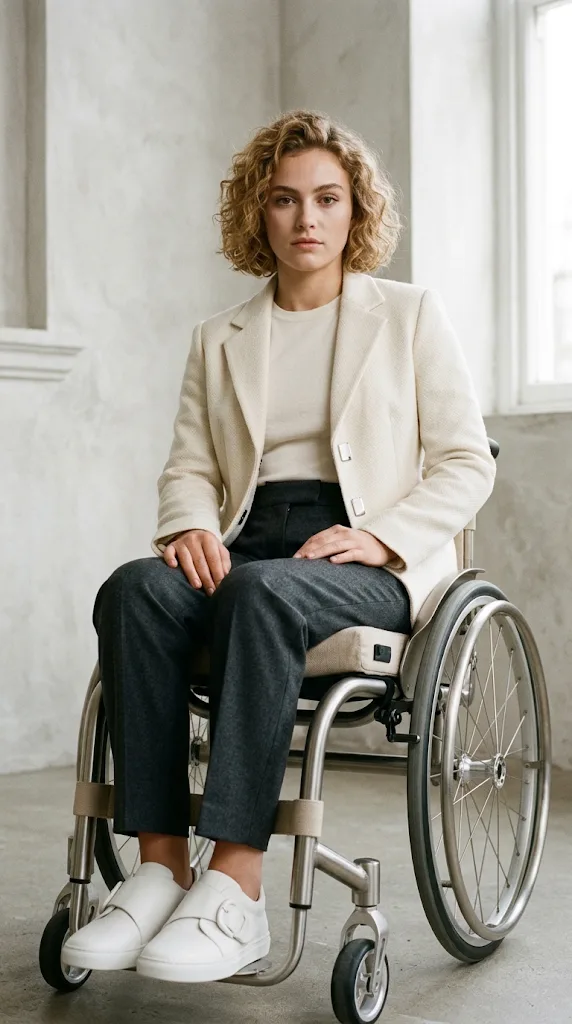
- Clothing designed for wheelchair users, with thoughtful cuts and comfortable fits when seated.
The goal isn't to make clothing look medical or different. It's to give people more options to express their personal style without unnecessary discomfort.
Why Adaptive Fashion Matters#
1. It Makes Getting Dressed Easier#
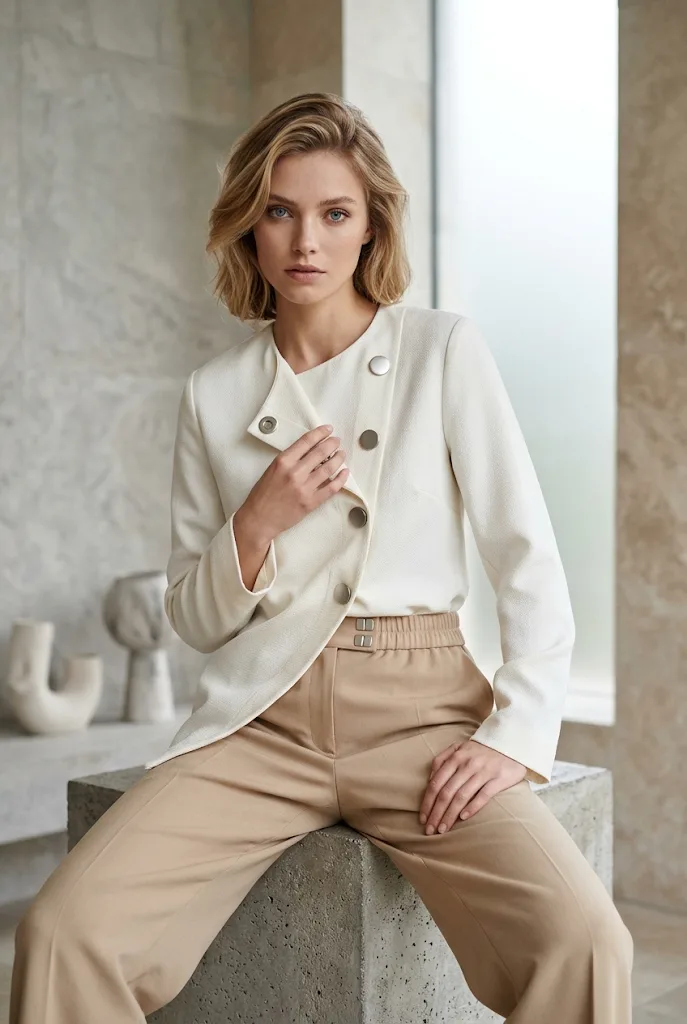
Small details can make a big difference. Magnetic buttons, front-opening tops, and elastic waistbands can reduce the effort needed to put on or remove clothing. These features can make everyday routines more manageable for people with limited dexterity or mobility. Choosing the right clothing can also make getting dressed easier without compromising on style. For more inspiration, explore these 10 stylish everyday outfits for women with disabilities, featuring practical and fashionable looks designed with comfort and accessibility in mind.
2. It Promotes Independence#
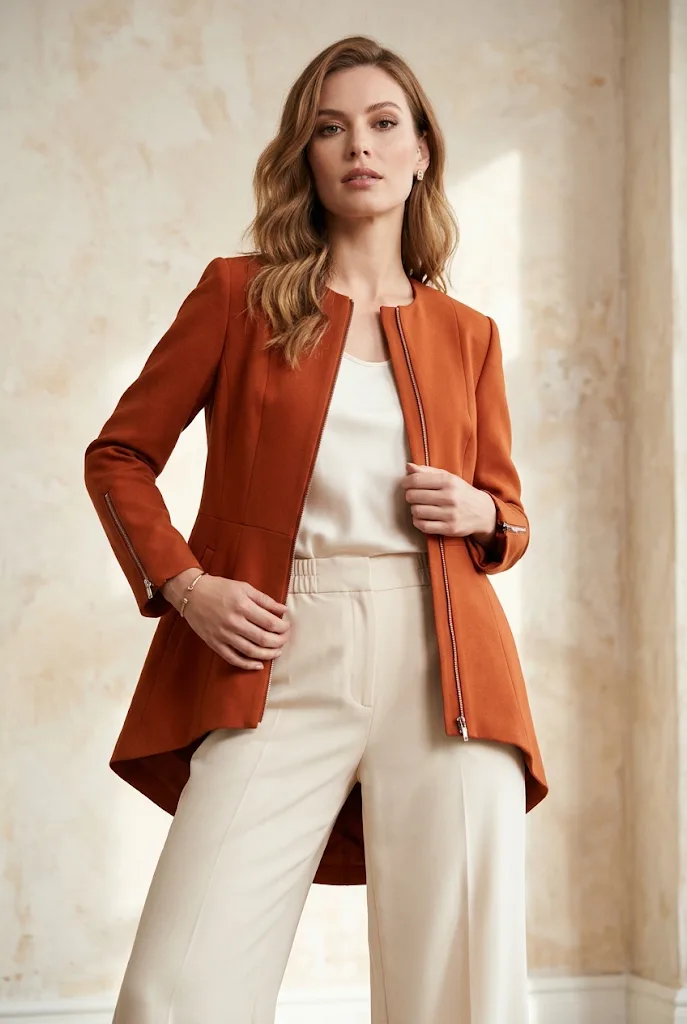
Everyone deserves the opportunity to dress themselves if they wish to. Adaptive designs can help reduce reliance on assistance for everyday dressing, giving people greater control over their routines and personal choices.
3. It Makes Fashion More Inclusive#
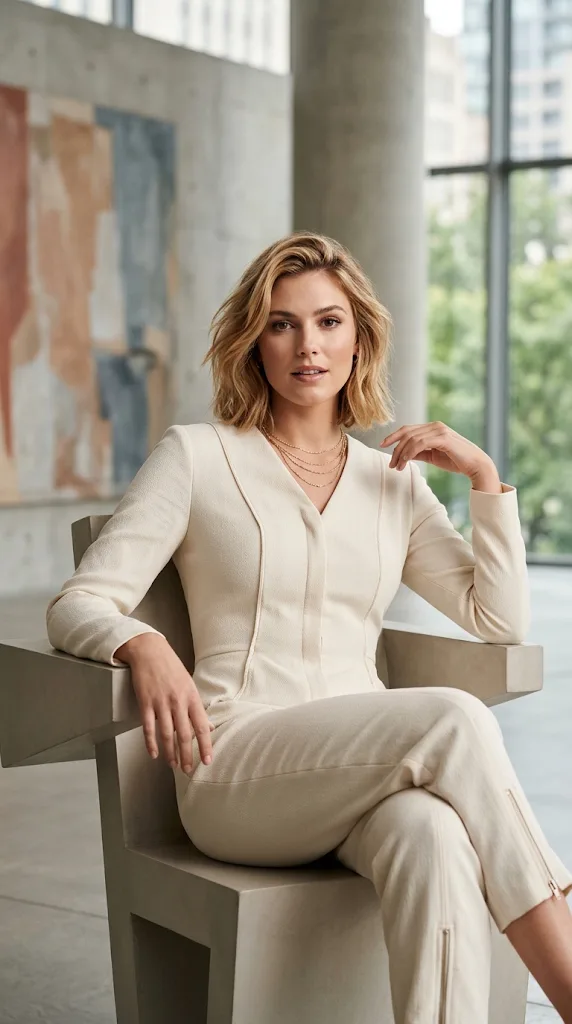
Inclusivity means more than featuring different body types in advertising. It also means designing clothes that people with different abilities can actually wear.
Adaptive fashion encourages brands to consider accessibility from the beginning rather than treating it as an afterthought.
4. It Supports Personal Style#
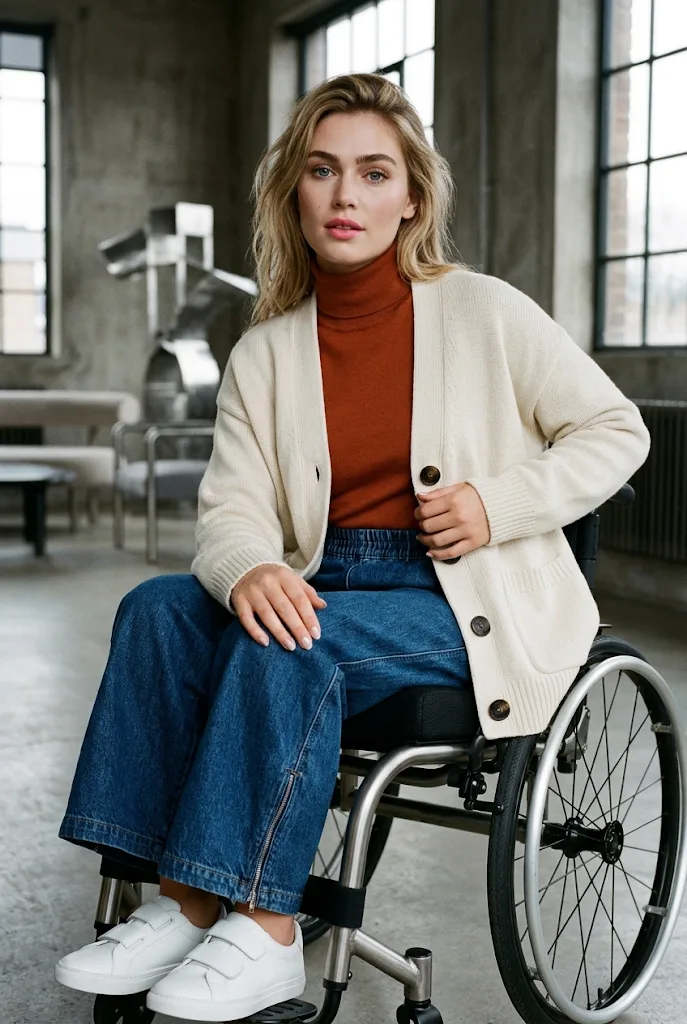
Having a disability shouldn't mean having fewer fashion choices. Adaptive clothing is available in everyday basics, workwear, occasion outfits, footwear, and trend-inspired pieces.
People can choose bold colours, classic neutrals, oversized silhouettes, or tailored looks while still getting the practical features they need.
5. It Improves Comfort#
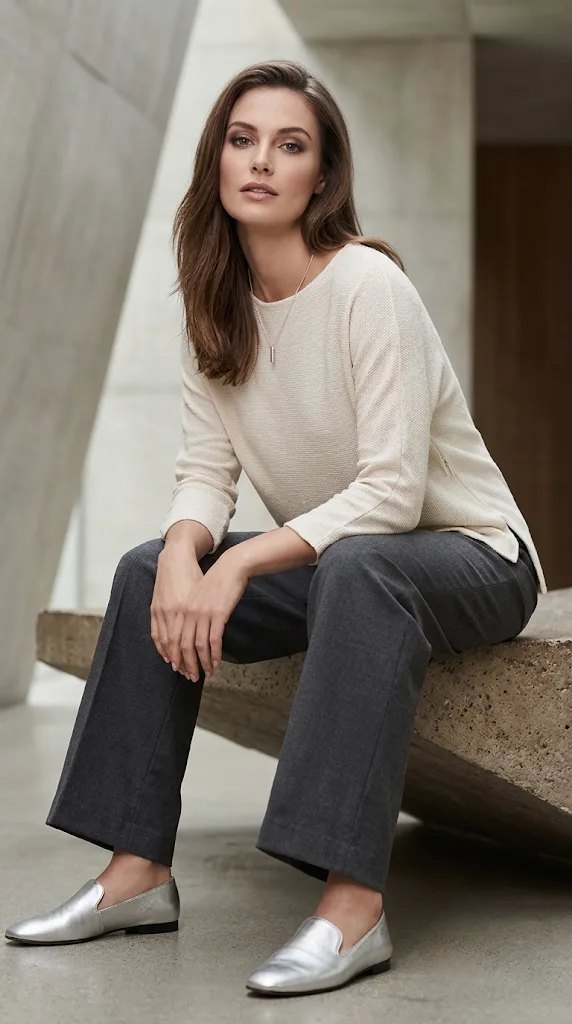
Traditional clothing doesn't always work for every body or situation. Seams, waistbands, stiff fabrics, and poorly placed fastenings can cause discomfort.
Adaptive designs can address these issues through softer materials, thoughtful construction, adjustable features, and cuts suited to different needs.
What Does Adaptive Fashion Look Like?#
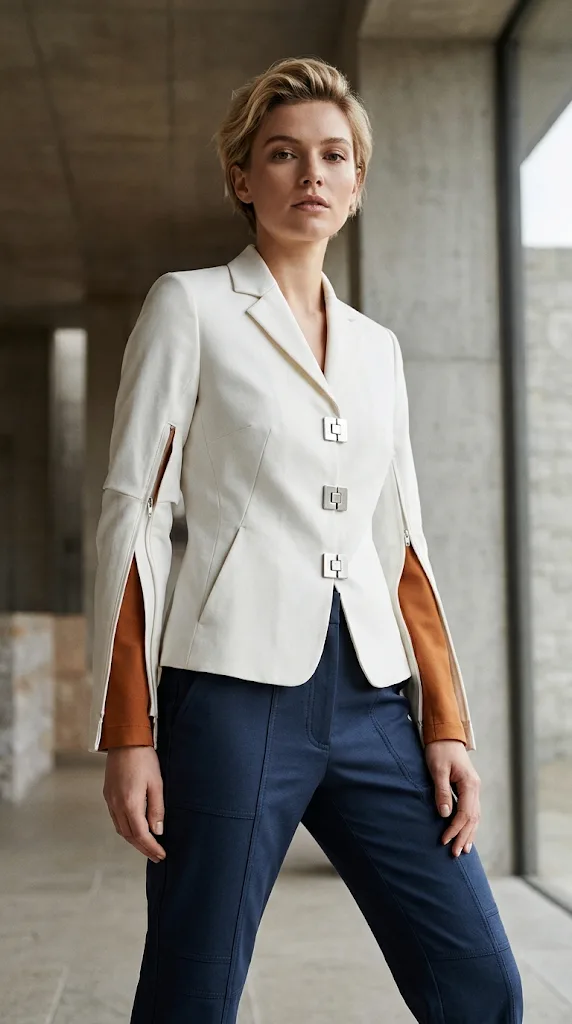
Adaptive fashion doesn't have one specific look. It can be as simple as a stylish shirt with magnetic buttons or as specialised as trousers designed to provide a better fit while seated.
For example, someone who uses a wheelchair might prefer a jacket with a shorter front to reduce bunching while sitting. A person with arthritis may find magnetic fastenings easier to manage than tiny buttons. Someone with sensory sensitivities might prefer tag-free tops made from soft fabrics.
The best designs focus on the wearer's individual needs without sacrificing aesthetics.
How Fashion Brands Can Do Better#
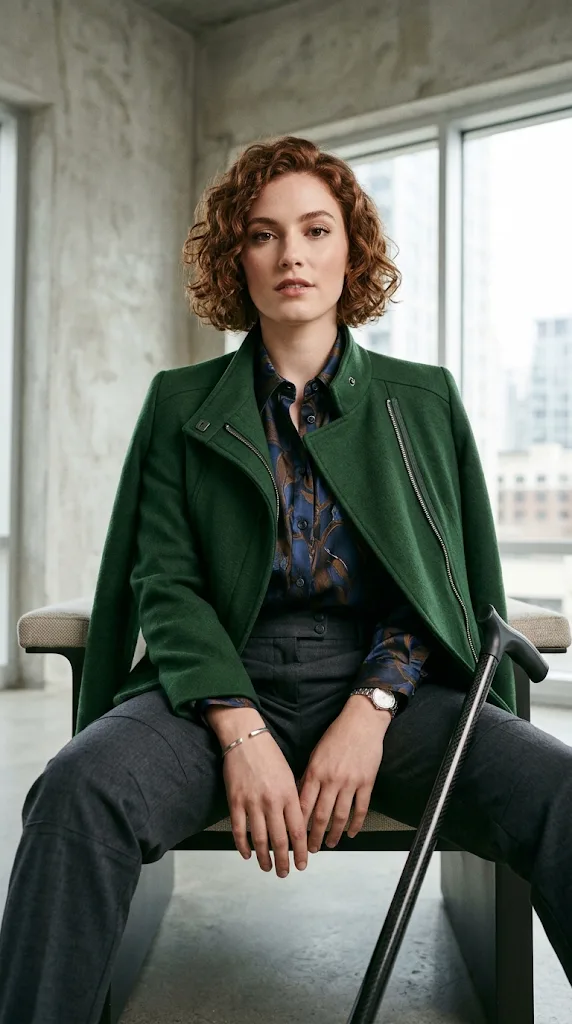
Fashion brands have an opportunity to make accessibility part of their design process. This starts with listening to disabled customers, working with adaptive-design specialists, and testing garments with the people who will wear them.
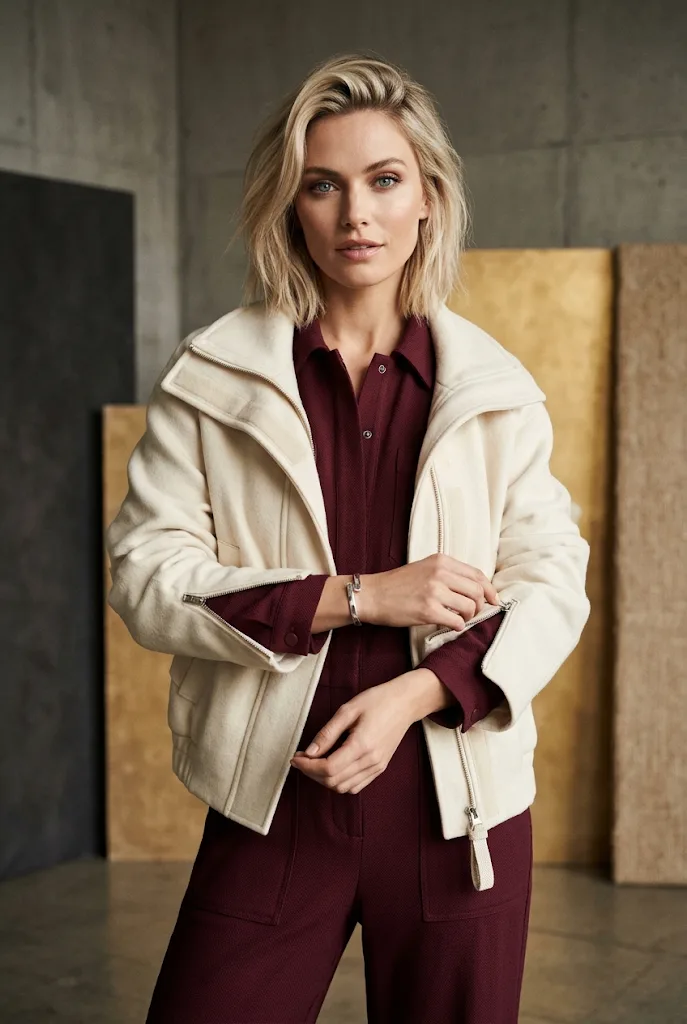
Brands can also offer more inclusive sizing, provide clear product descriptions, show adaptive features in photographs, and make accessible clothing easier to find.
Most importantly, disabled people should have a voice in the design process. Clothing created with their input is more likely to reflect real needs rather than assumptions.
The Future of Adaptive Fashion#
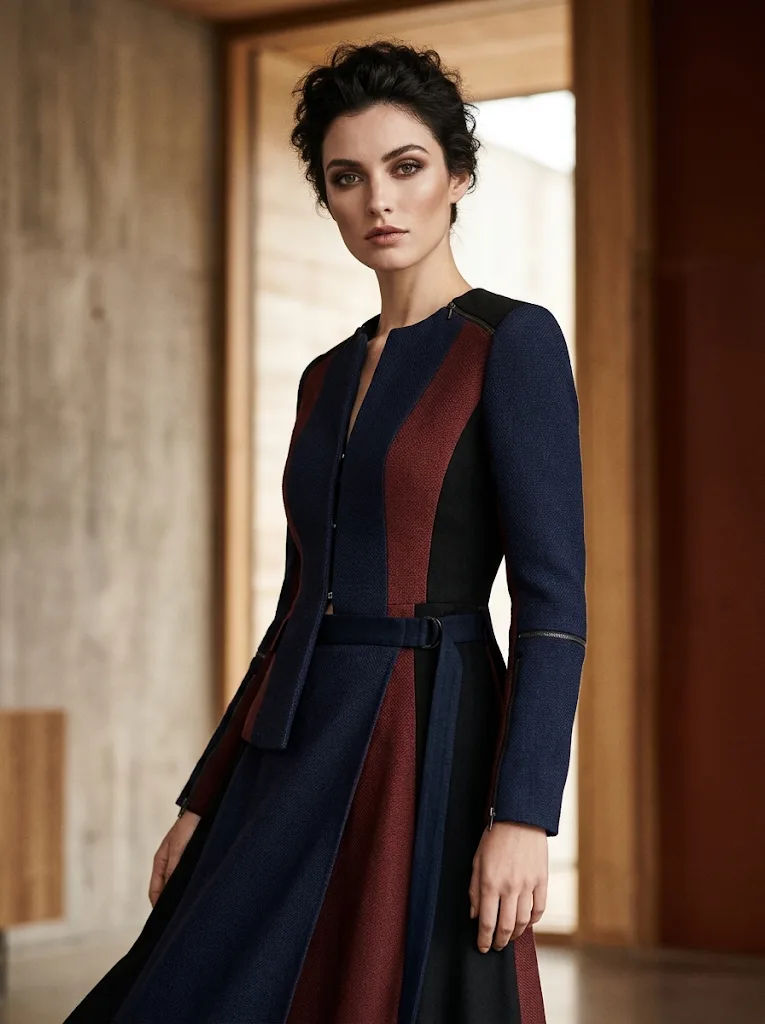
Adaptive fashion is helping reshape the industry by showing that functionality and style can exist together. As awareness grows, more designers and retailers have the opportunity to create clothing that works for a wider range of people.
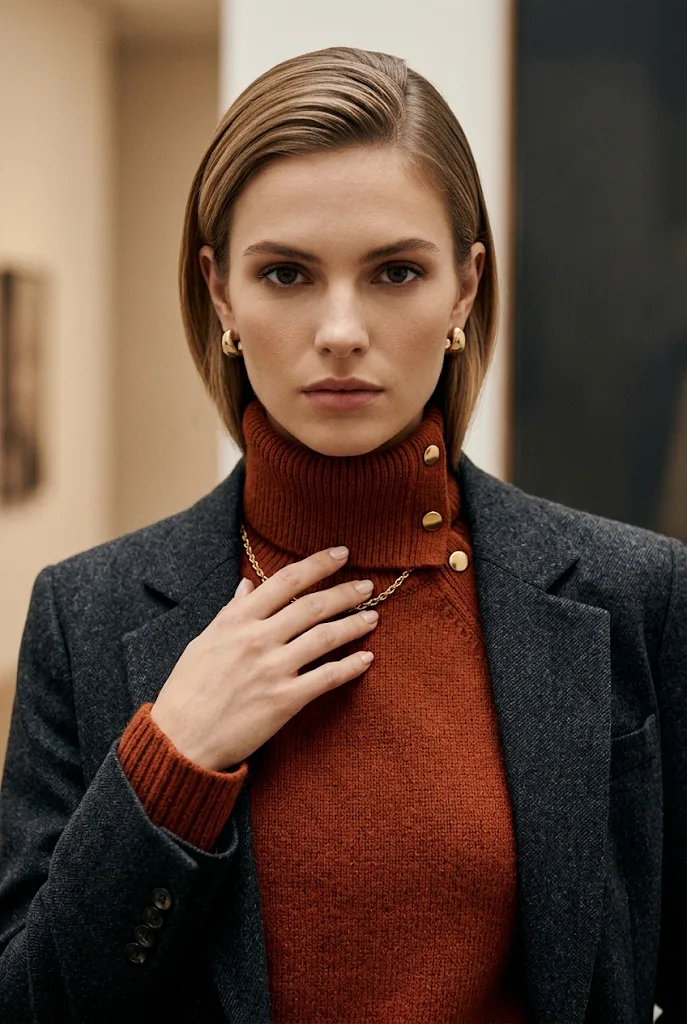
There is still progress to be made, including improving affordability, expanding available styles and sizes, and making adaptive collections easier to access.
But the message is simple: fashion should work for the person wearing it.
HWTS Thoughts#
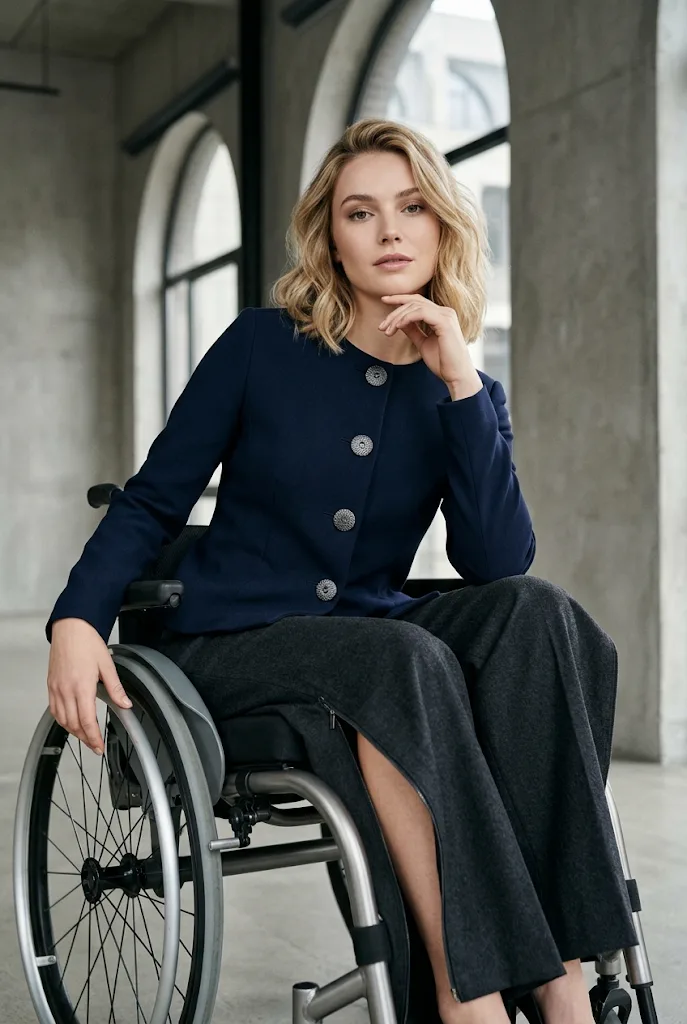
Adaptive fashion matters because getting dressed is part of everyday life, and everyone deserves clothing that feels good, looks good, and meets their needs.
By combining thoughtful design with personal style, adaptive fashion makes the industry more welcoming and practical for more people. It's not about lowering fashion standards or limiting creativity. It's about making sure more people get to enjoy fashion on their own terms.
Her Way to Style celebrates fashion for every woman, with a commitment to inclusive representation, personal expression, and style that makes room for everyone.
About the author
Arinze Chioma
More from Arinze ChiomaKeep reading
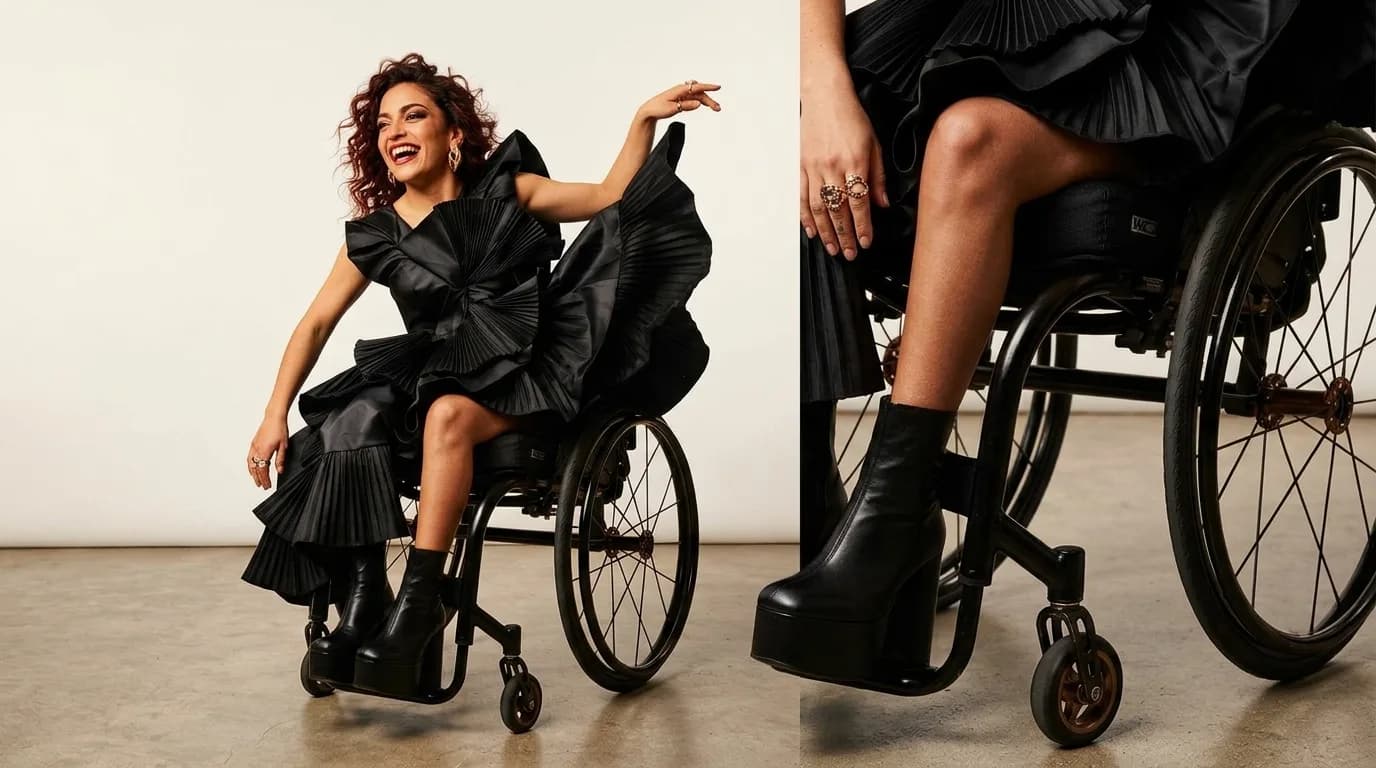
The Difference Between Adaptive and Inclusive Fashion
Learn the key differences between adaptive and inclusive fashion, why both matter, and how functional design creates accessible, stylish clothing for everyone.
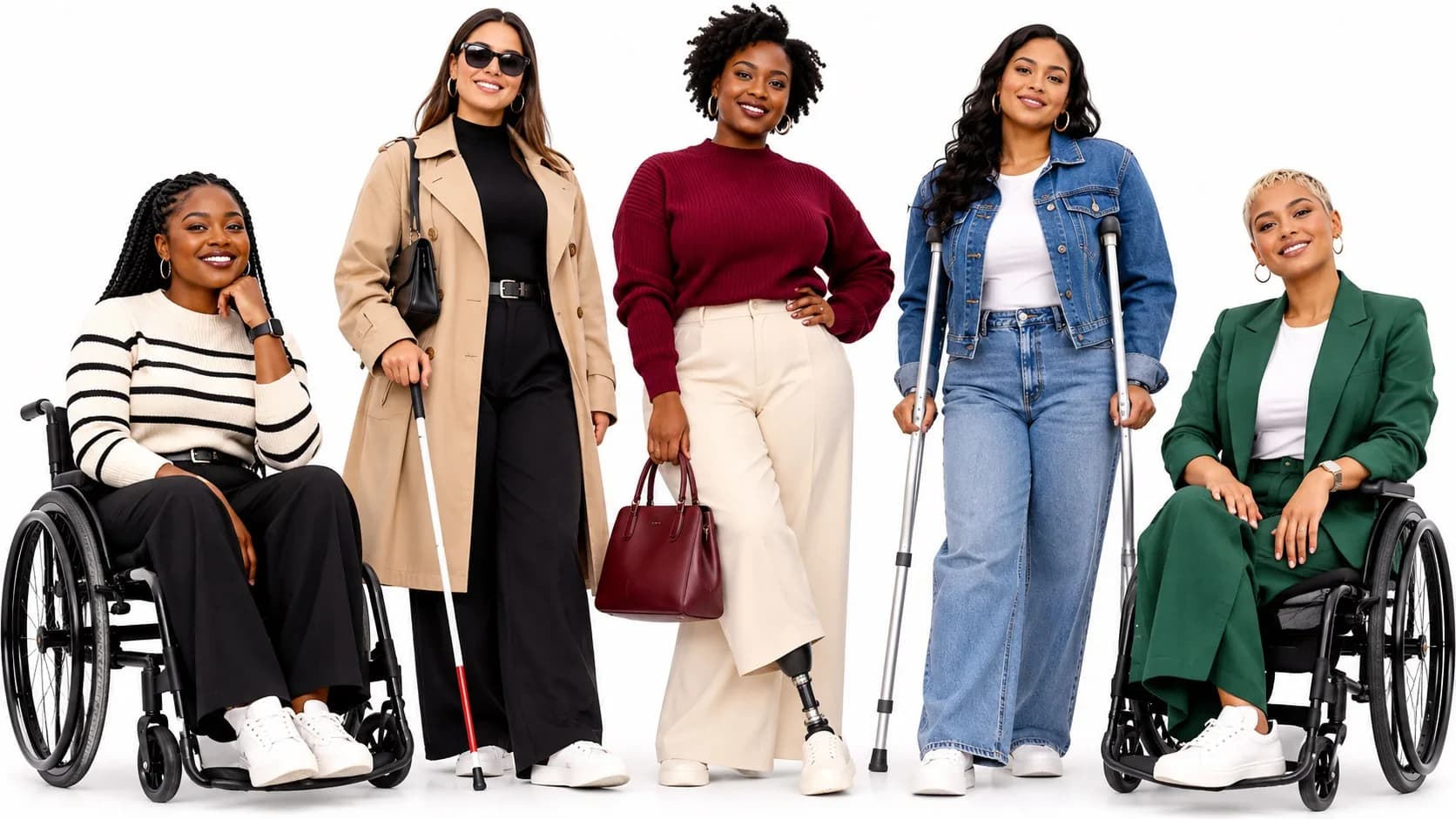
10 Stylish Everyday Outfits for Women With Disabilities
Explore 10 stylish everyday outfits for women with disabilities, featuring comfortable fabrics, easy closures, and practical styling ideas for every day.
15 Black Hoodie Outfit Ideas for Women That Never Miss
Looking for fresh ways to style a black hoodie? Try these 15 black hoodie outfit ideas for women, from leather pants to skirts, jeans, and chic layers.
Style notes, twice a month
Adaptive fashion finds, accessible brands worth your money, and honest reviews. No spam, unsubscribe any time.