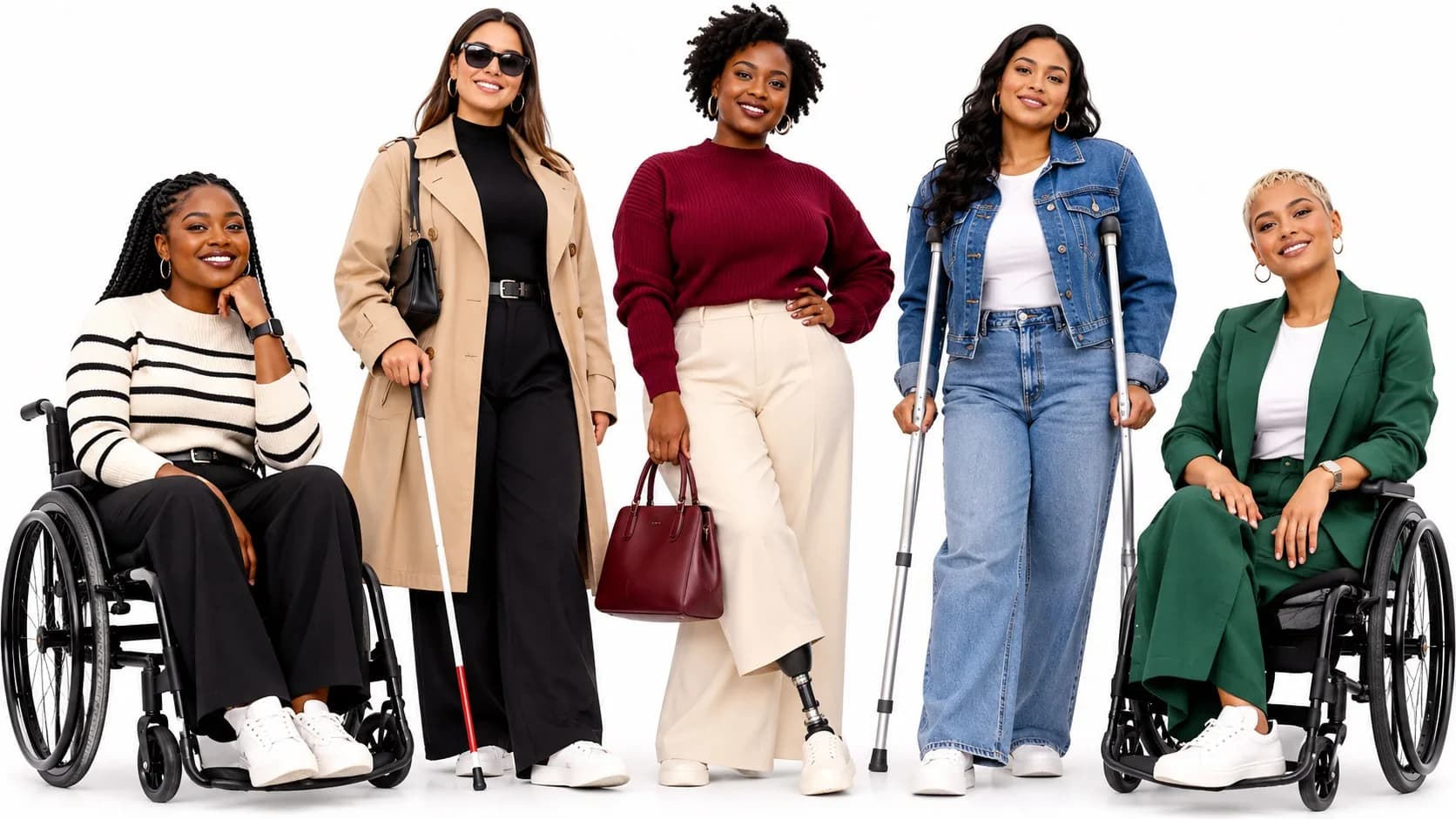
The Difference Between Adaptive and Inclusive Fashion
Learn the key differences between adaptive and inclusive fashion, why both matter, and how functional design creates accessible, stylish clothing for everyone.
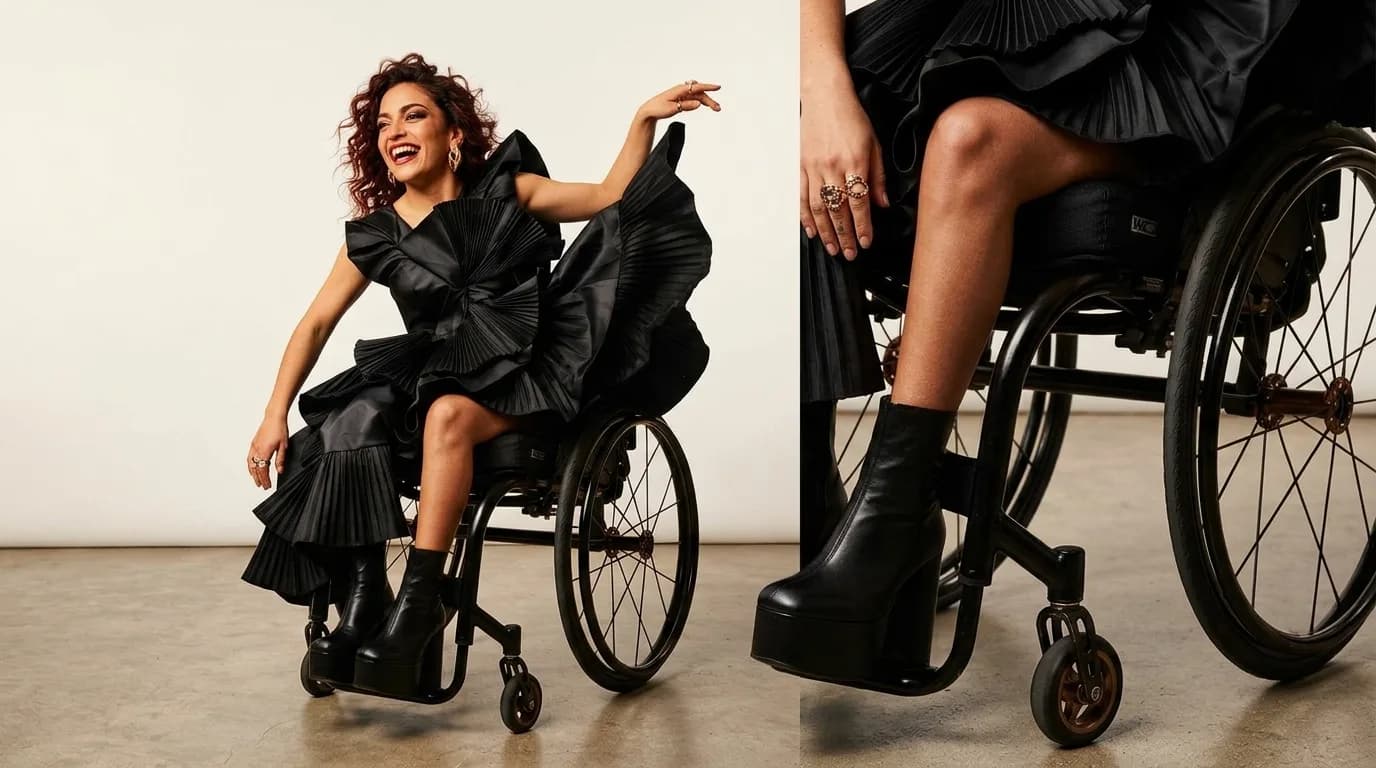
Fashion should make getting dressed easier, more comfortable, and more enjoyable for everyone. But two terms that often come up in conversations about accessible style are adaptive fashion and inclusive fashion. They sound similar, but they serve different purposes.
If you’re new to the topic, understanding what adaptive fashion is and why it matters is a great place to start.
So, what’s the difference, and why do both matter?
What Is Adaptive Fashion?#
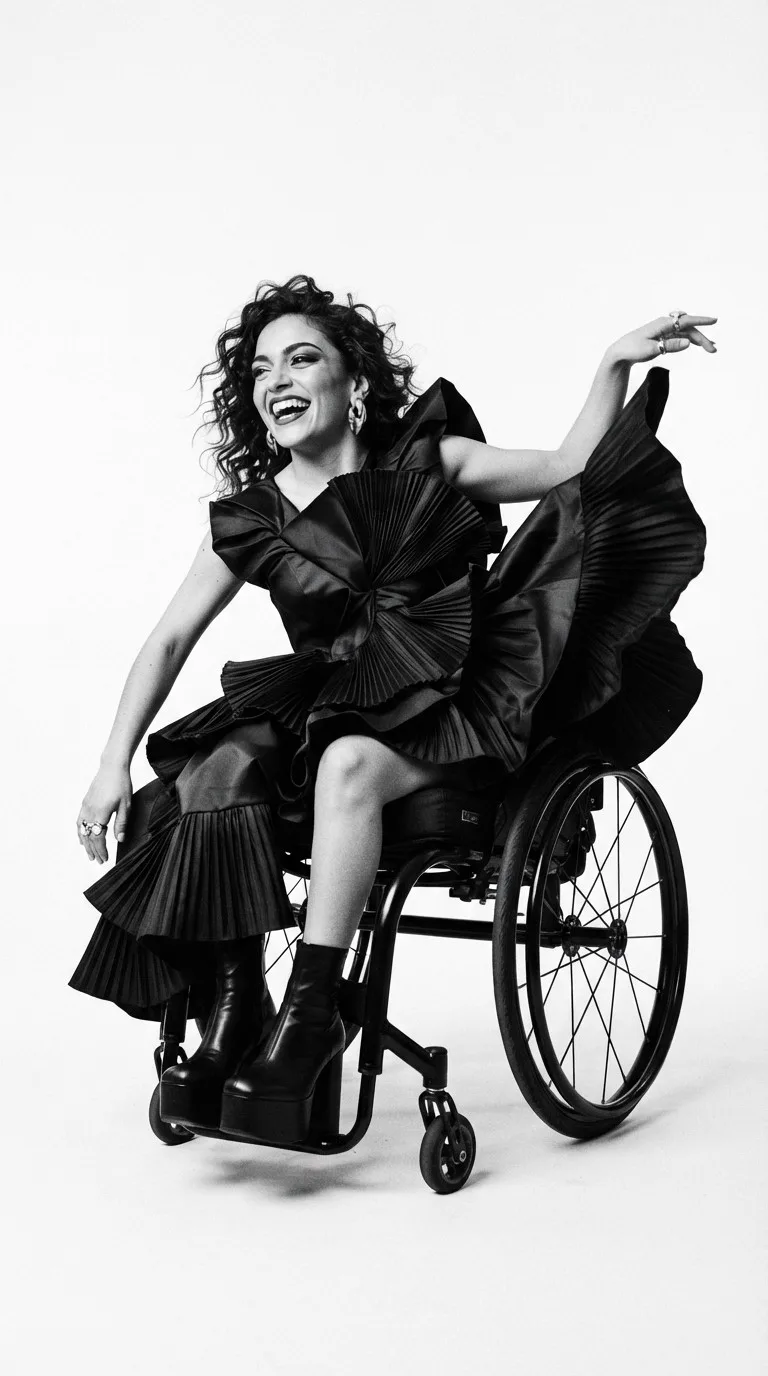
Adaptive fashion is clothing designed to meet the specific needs of people with disabilities, mobility challenges, or certain medical conditions. The goal is to make dressing more comfortable, practical, and independent without sacrificing style.
Think of jeans with side openings, shirts with magnetic buttons, trousers designed for wheelchair users, and shoes with easy-entry closures. These details might seem small, but they can make a real difference in someone's daily routine.
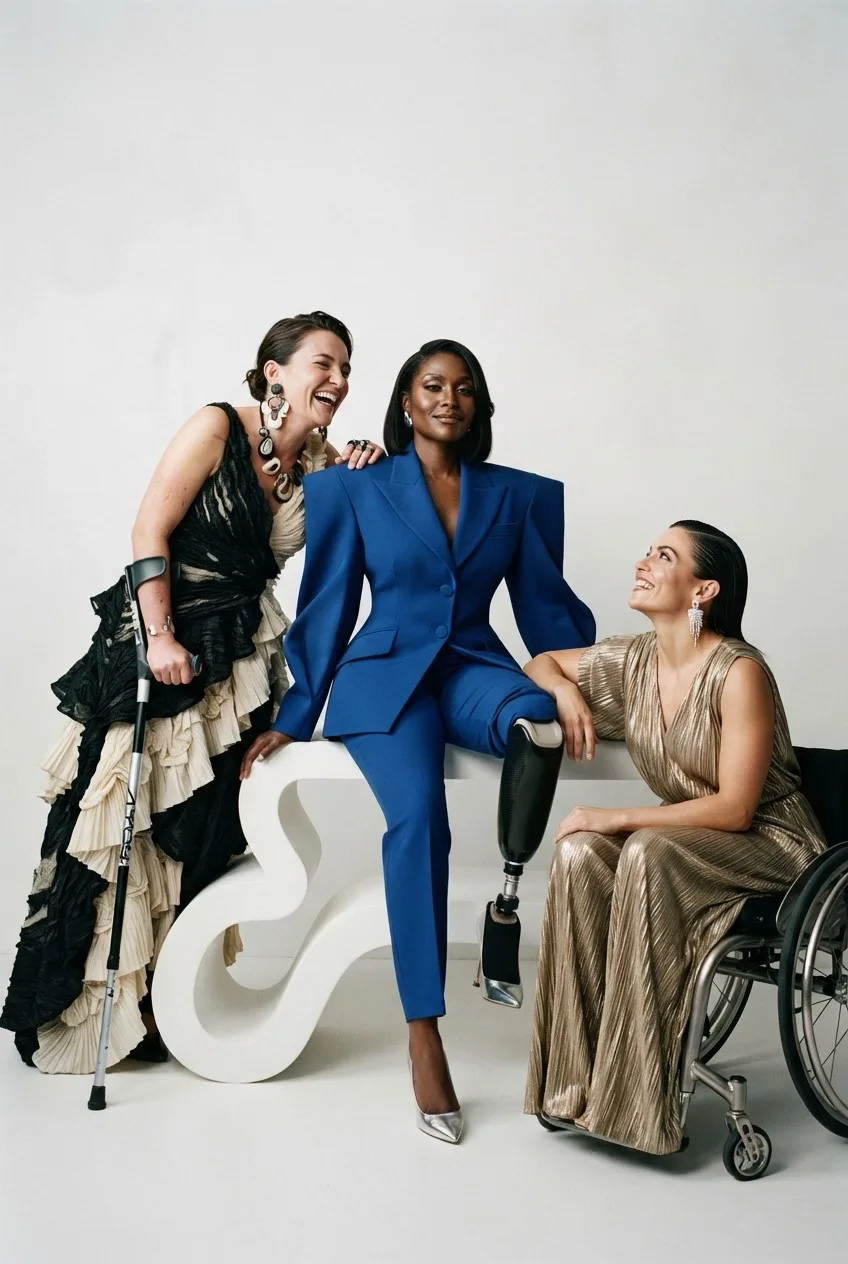
Adaptive clothing can also feature seated-friendly cuts, adjustable waistbands, sensory-friendly fabrics, and discreet openings for medical devices.
And no, adaptive fashion doesn't have to look clinical or boring. Many brands now offer stylish pieces that feel just as modern as the clothes you'd find in any fashion store. If you're looking for inspiration, check out these 10 stylish everyday outfits for women with disabilities for practical and fashionable ways to make adaptive clothing work for your everyday style.
What Is Inclusive Fashion?#
#
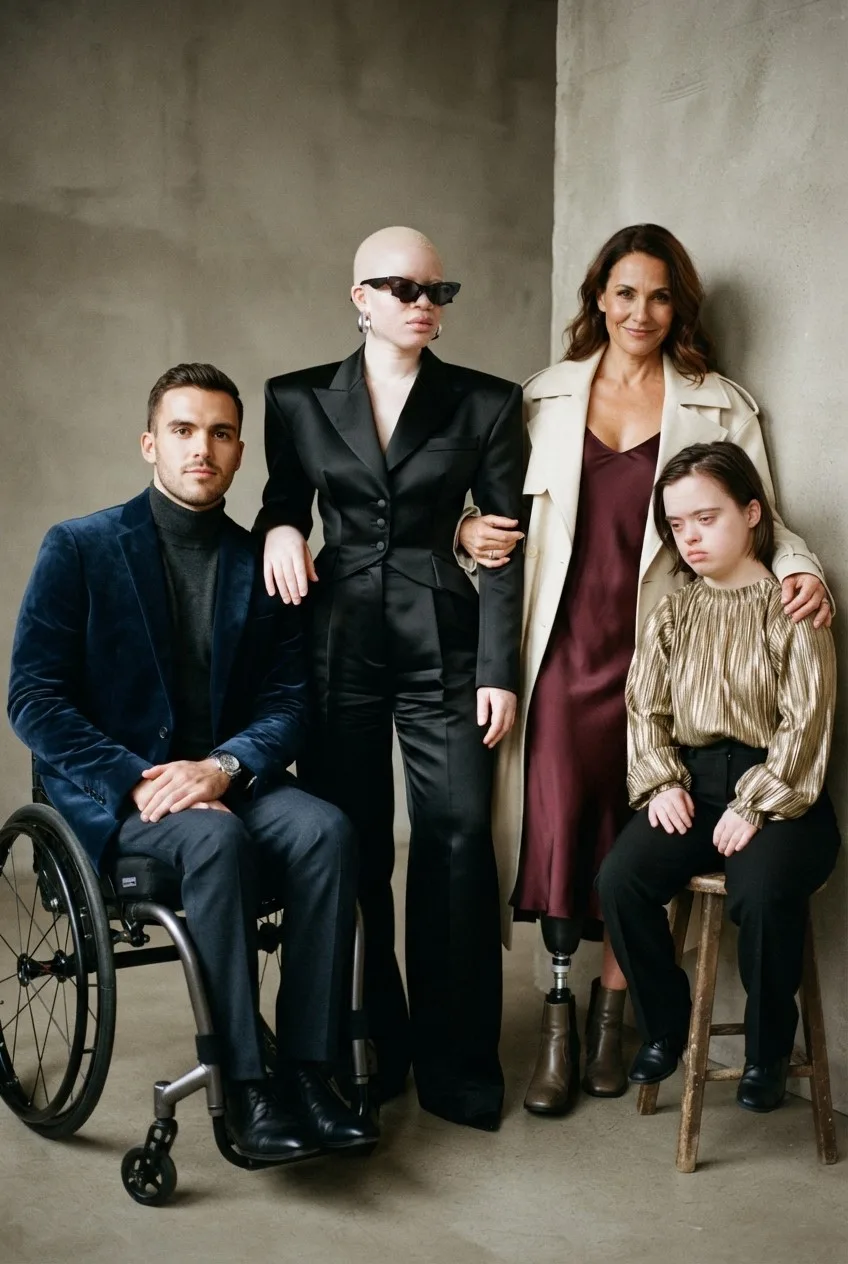
Inclusive fashion takes a broader approach. It's about creating clothing and fashion experiences that welcome people of different body sizes, shapes, ages, genders, skin tones, and personal styles.
This can mean offering extended sizes, petite and tall options, gender-neutral designs, and campaigns featuring models from a wider range of backgrounds.
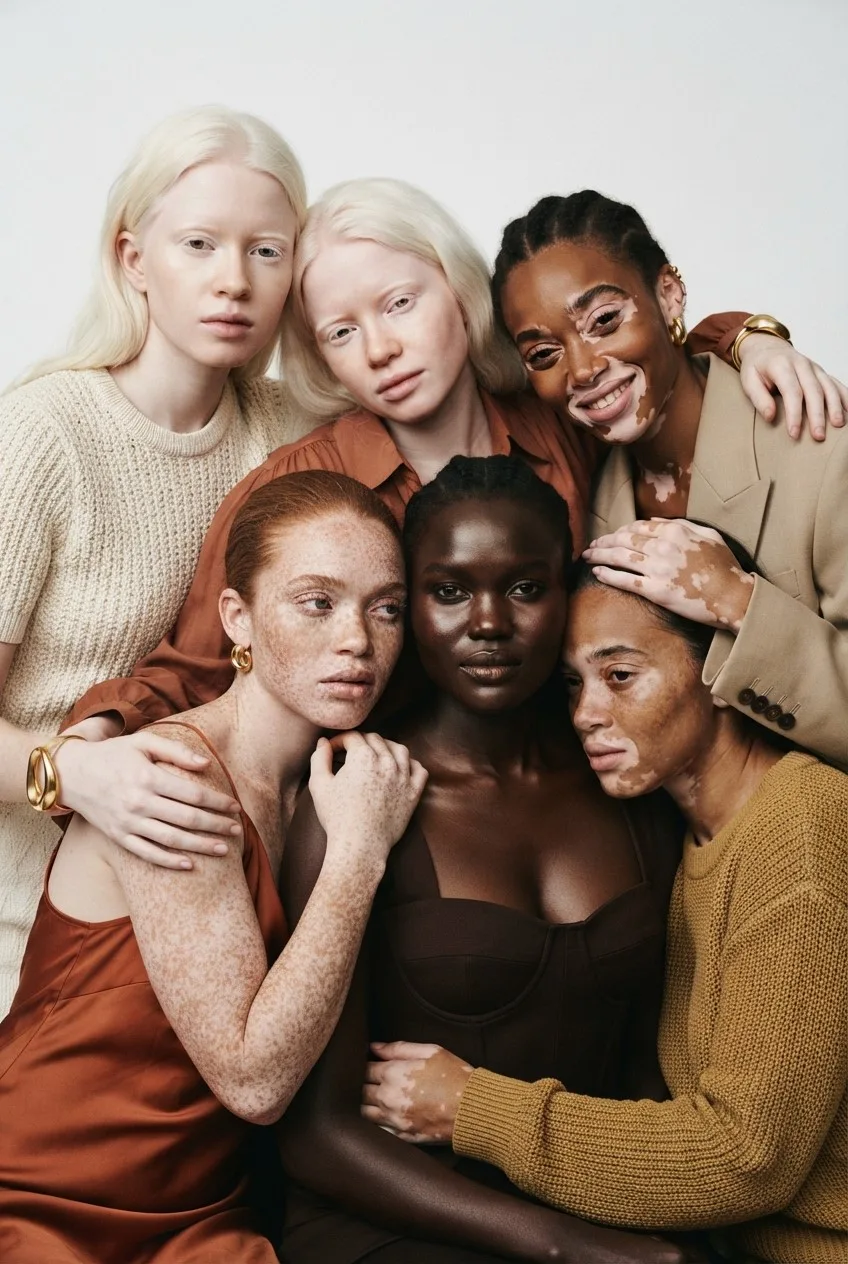
The idea is simple: more people should be able to find clothes that fit their bodies, reflect their identities, and make them feel good.
However, inclusive fashion isn't just about putting different models in an advertising campaign. It also means considering who can actually shop the collection, which sizes are available, and whether the designs meet different customers' needs.
Adaptive Fashion vs. Inclusive Fashion: The Key Differences#
#
Although both aim to make fashion more accessible to more people, their main priorities differ.
- Adaptive fashion focuses on function. It addresses specific dressing challenges through features such as magnetic fastenings, easy-access openings, and wheelchair-friendly cuts.

- Inclusive fashion focuses on representation and access. It aims to serve a wider range of people through diverse sizing, thoughtful designs, and more representative marketing.
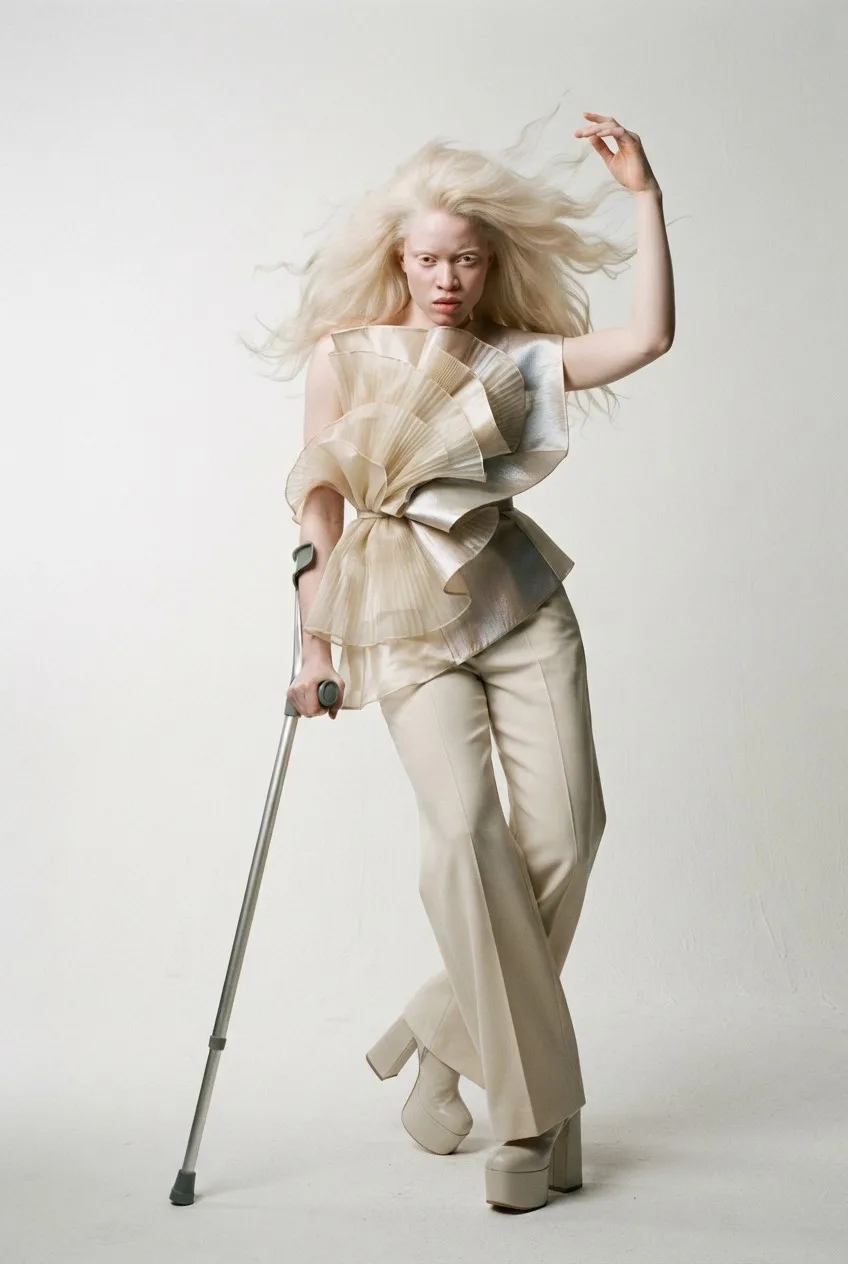
- Adaptive fashion can be inclusive. Adaptive clothing can come in different sizes, colours, and styles, giving customers more choice.
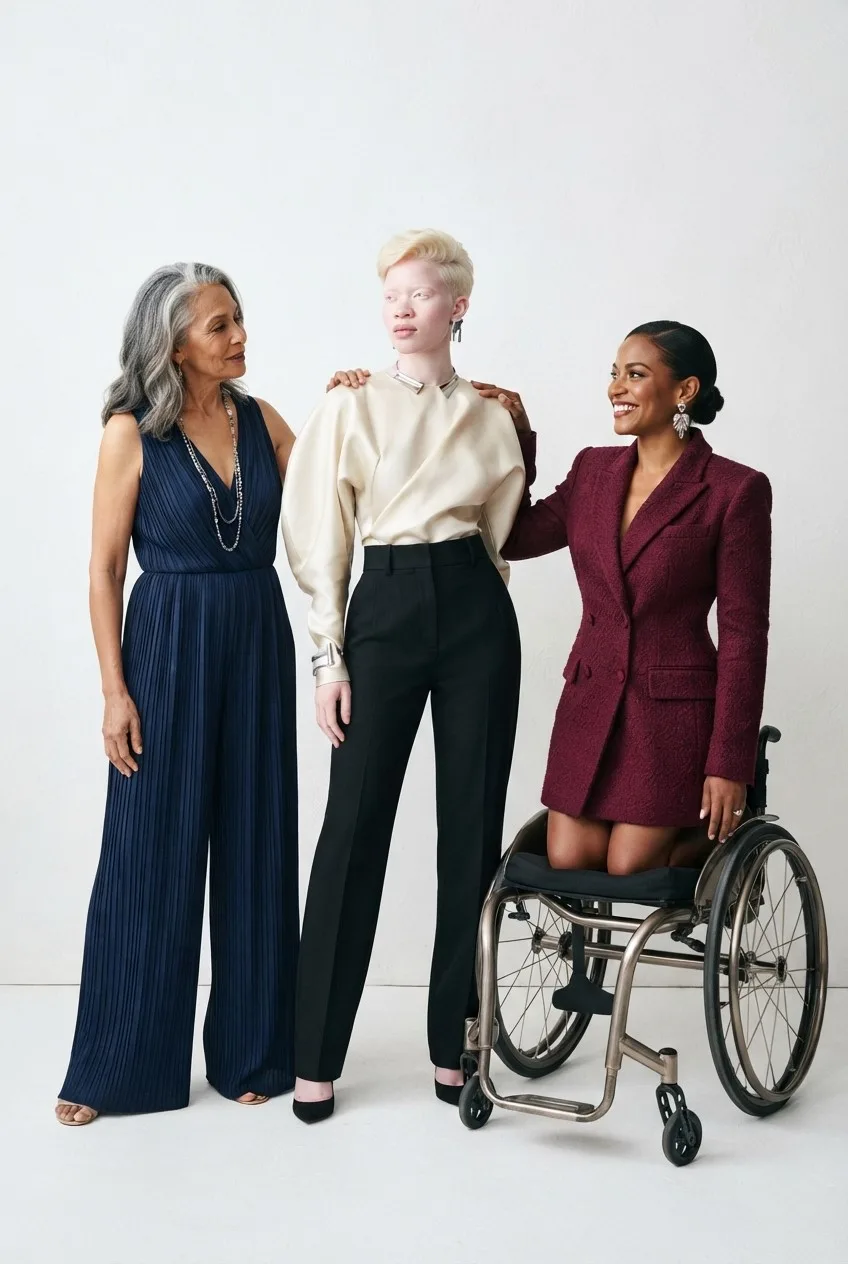
- Inclusive fashion can include adaptive features. A brand can offer extended sizing and gender-neutral designs while also developing clothing that's easier to put on and take off.
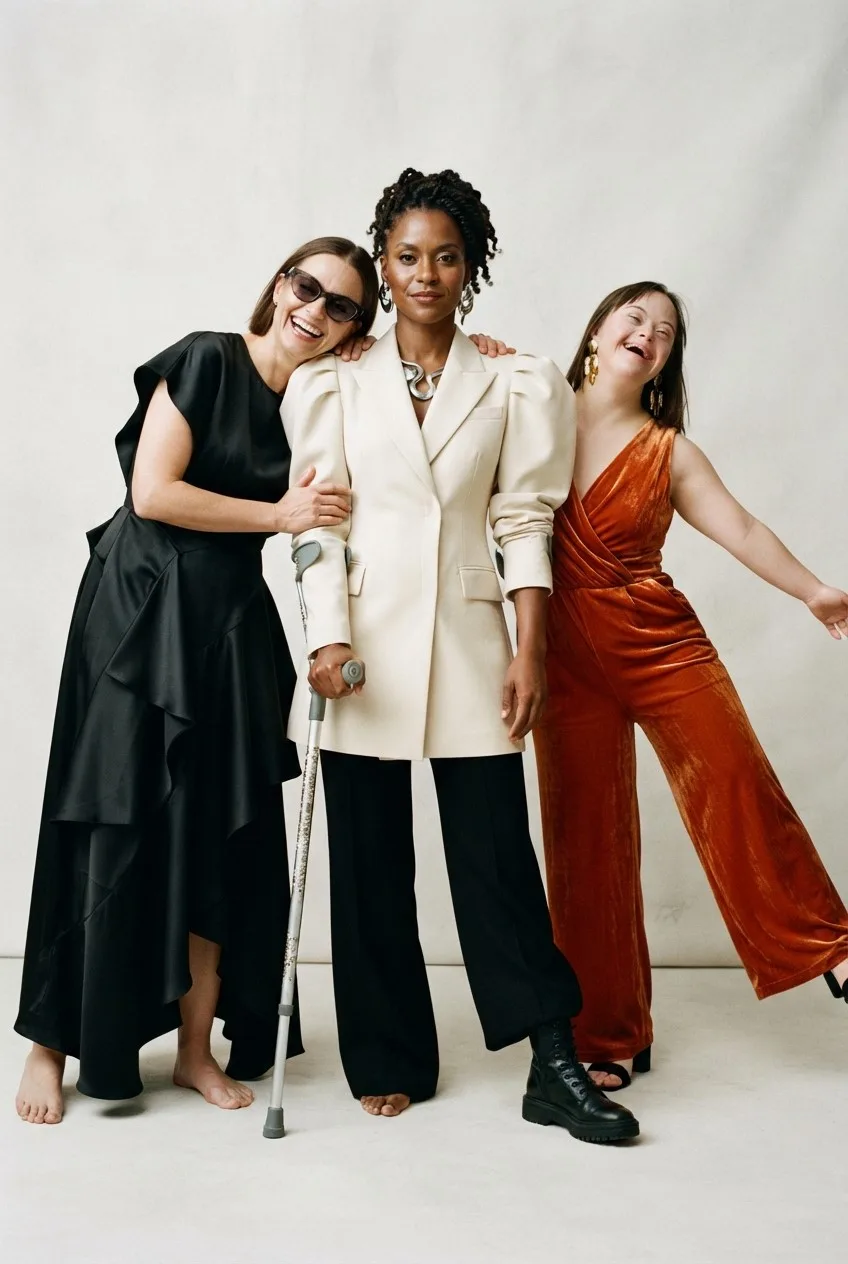
Neither approach is automatically better than the other. They simply address different needs, and they can work together.
Can Fashion Be Both Adaptive and Inclusive?#
#
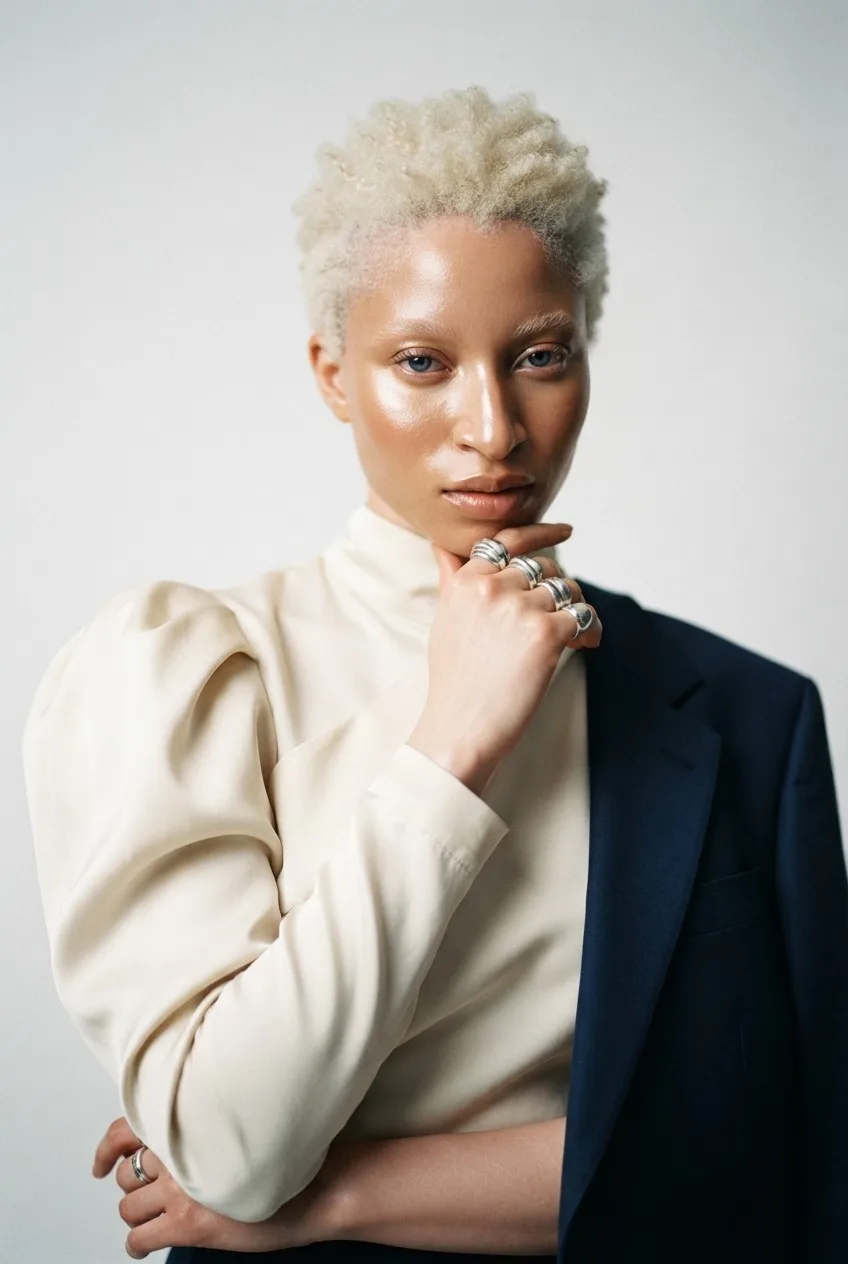
Absolutely! In fact, combining the two can make fashion more useful and welcoming.
Imagine a clothing brand offering stylish trousers in a wide range of sizes, with adjustable waistbands and designs that accommodate people who dress while seated. The collection would consider both fit diversity and practical dressing needs.
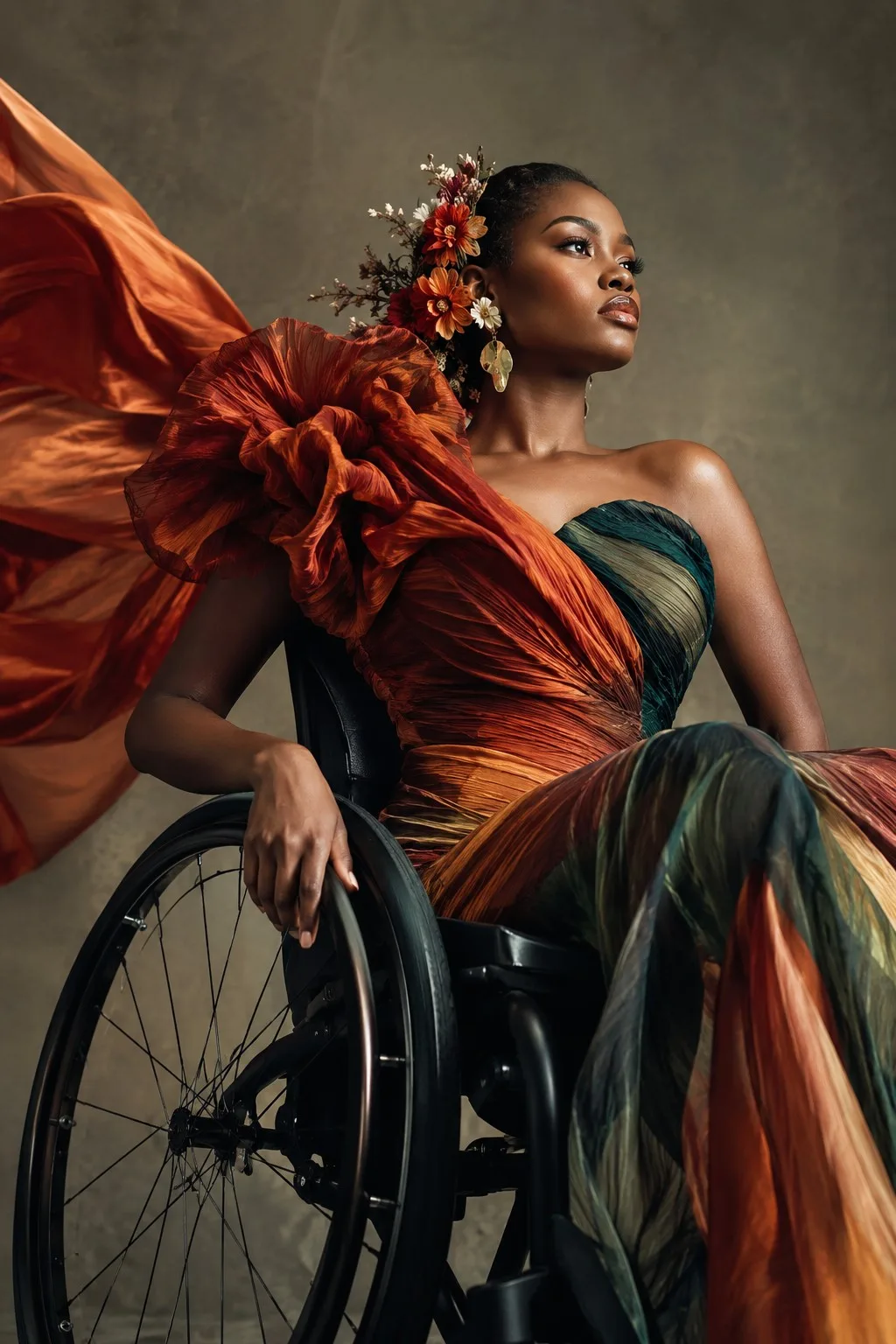
Another example is a footwear line that offers a broad size range alongside easy-entry closures for people who find traditional laces difficult to manage.
These designs show that functionality and personal style don't have to compete. People deserve clothing that works for their needs without limiting their fashion choices.
Why Both Matter in Today's Fashion Industry#
#
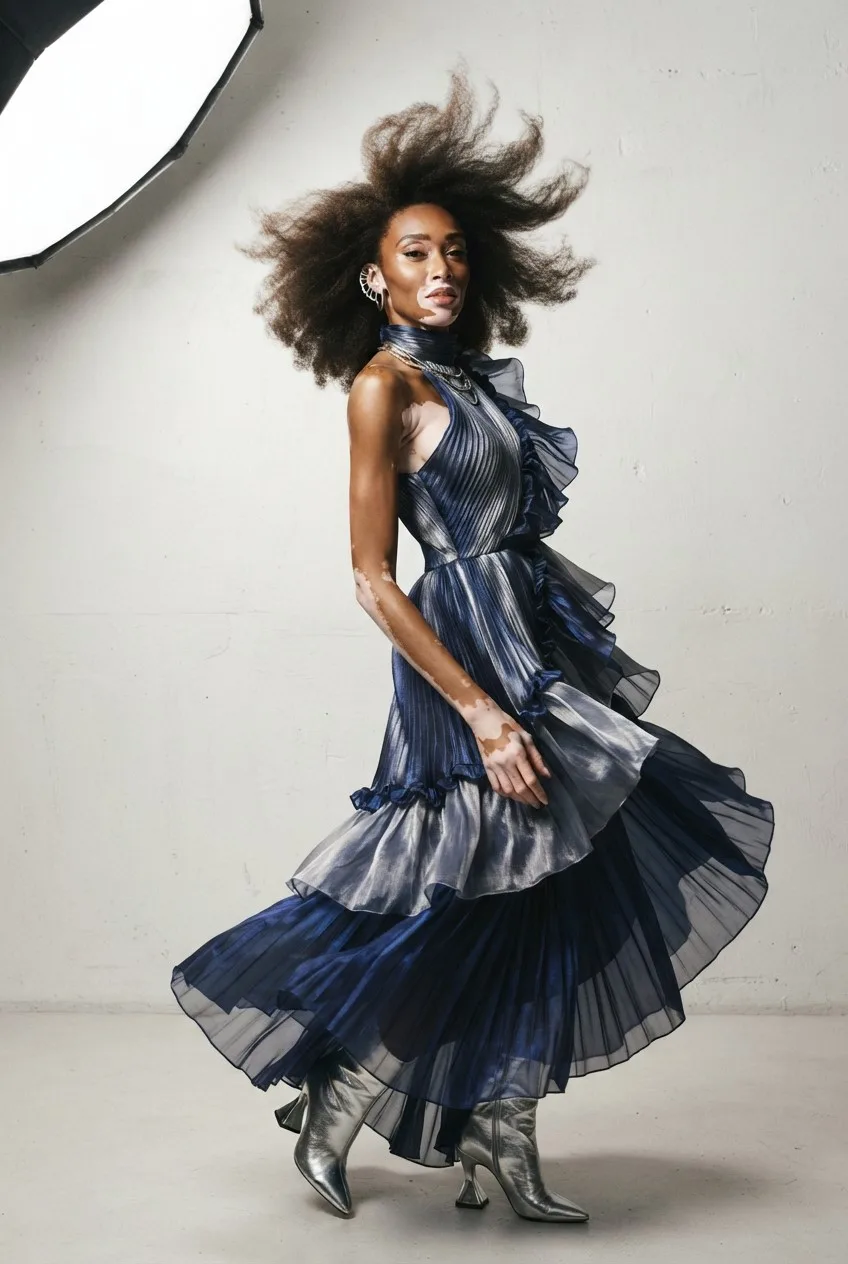
For a long time, fashion has often focused on a narrow idea of who clothing is designed for. Adaptive and inclusive approaches challenge that mindset.
Adaptive fashion helps address everyday barriers to getting dressed, while inclusive fashion challenges limited ideas about sizing, identity, representation, and who belongs in fashion spaces.
When brands take both seriously, they can create better shopping experiences, offer more meaningful choices, and serve customers whose needs have often been overlooked.
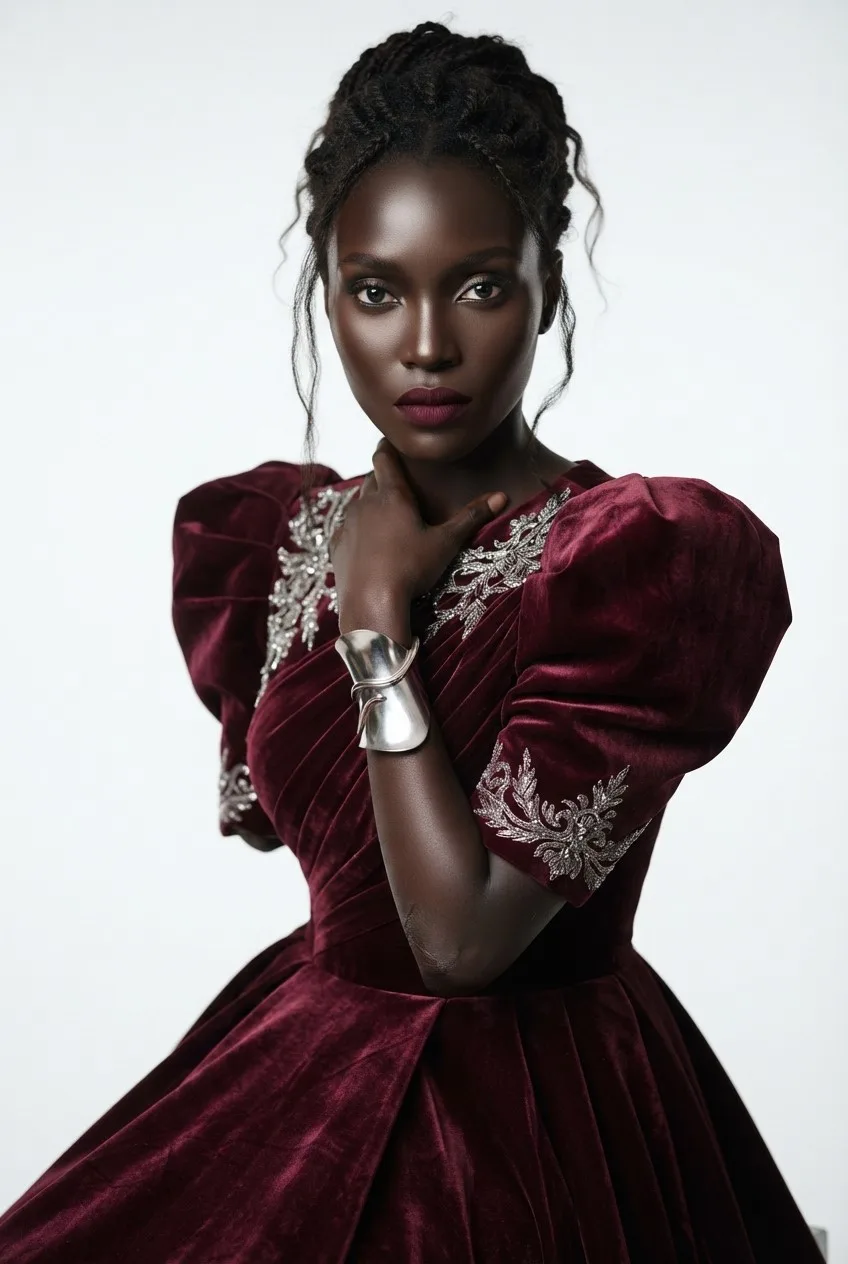
There's still room for improvement, especially when it comes to availability, affordability, and the variety of styles offered. But every thoughtful design choice can help move the industry forward.
HWTS Thoughts#
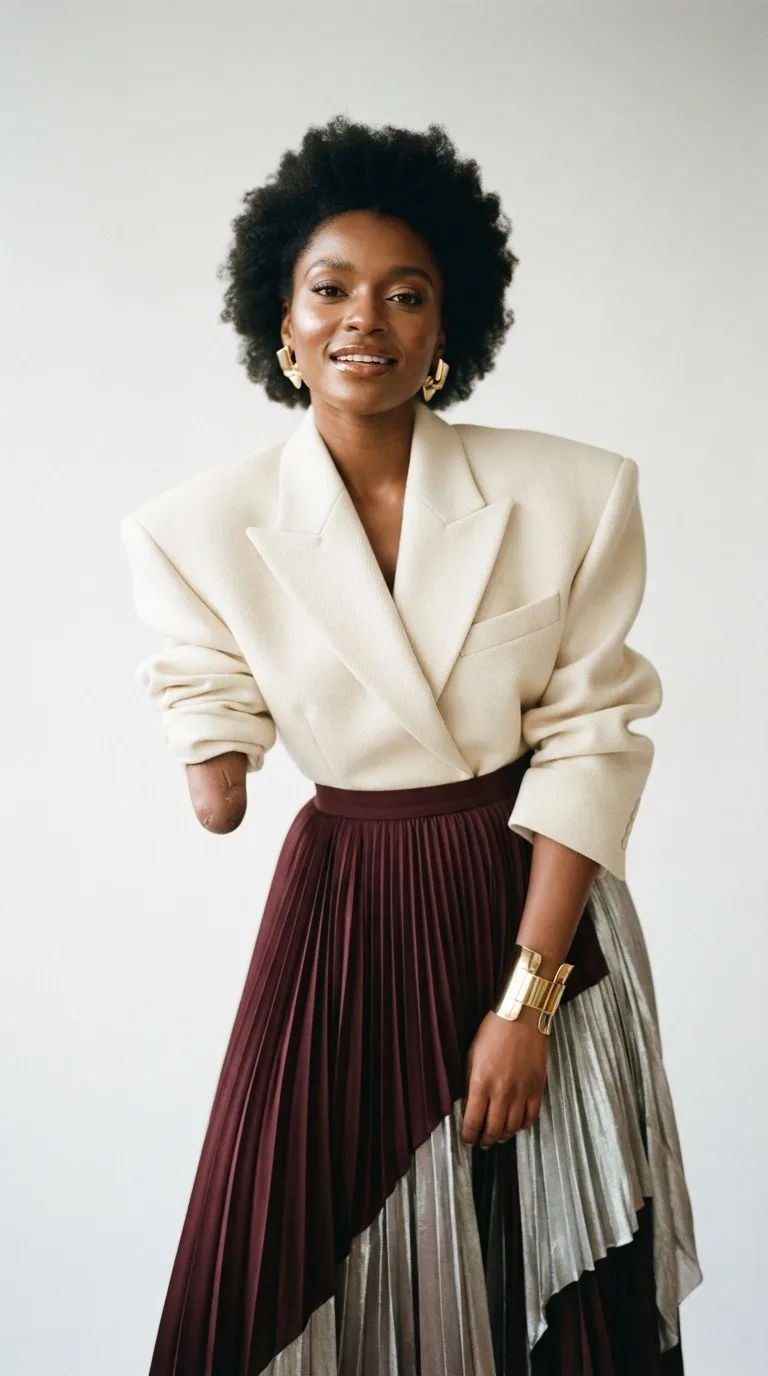
The difference between adaptive and inclusive fashion comes down to their primary focus. Adaptive fashion makes clothing easier to wear for people with specific functional needs, while inclusive fashion aims to make fashion more welcoming and accessible to a wider range of people.
Both are important, and neither should be an afterthought.
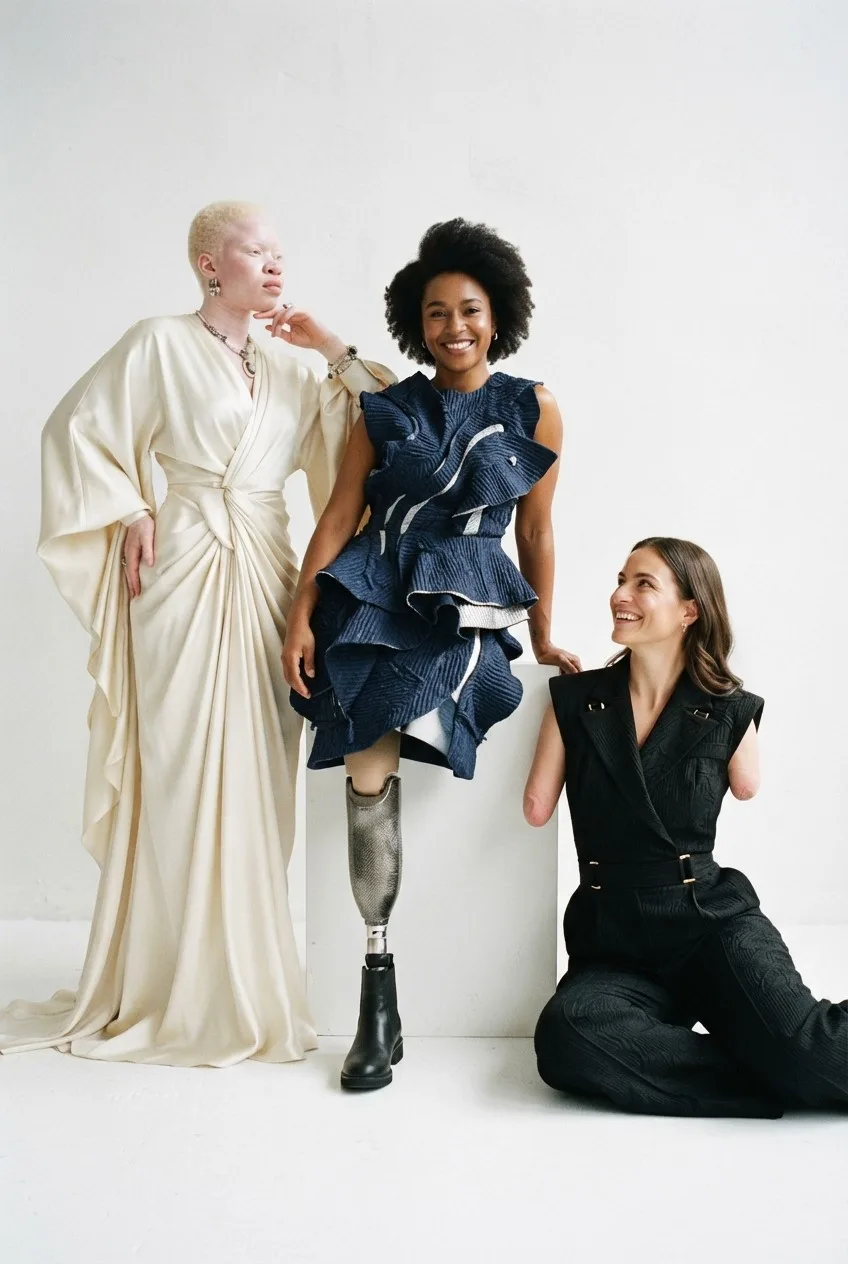
Because great style isn't just about how an outfit looks. It's also about how it fits, how it feels, and whether the person wearing it can enjoy it on their own terms.
Her Way to Style celebrates fashion for every woman, with a commitment to inclusive representation, personal expression, and style that makes room for everyone.
About the author
Arinze Chioma
More from Arinze ChiomaKeep reading
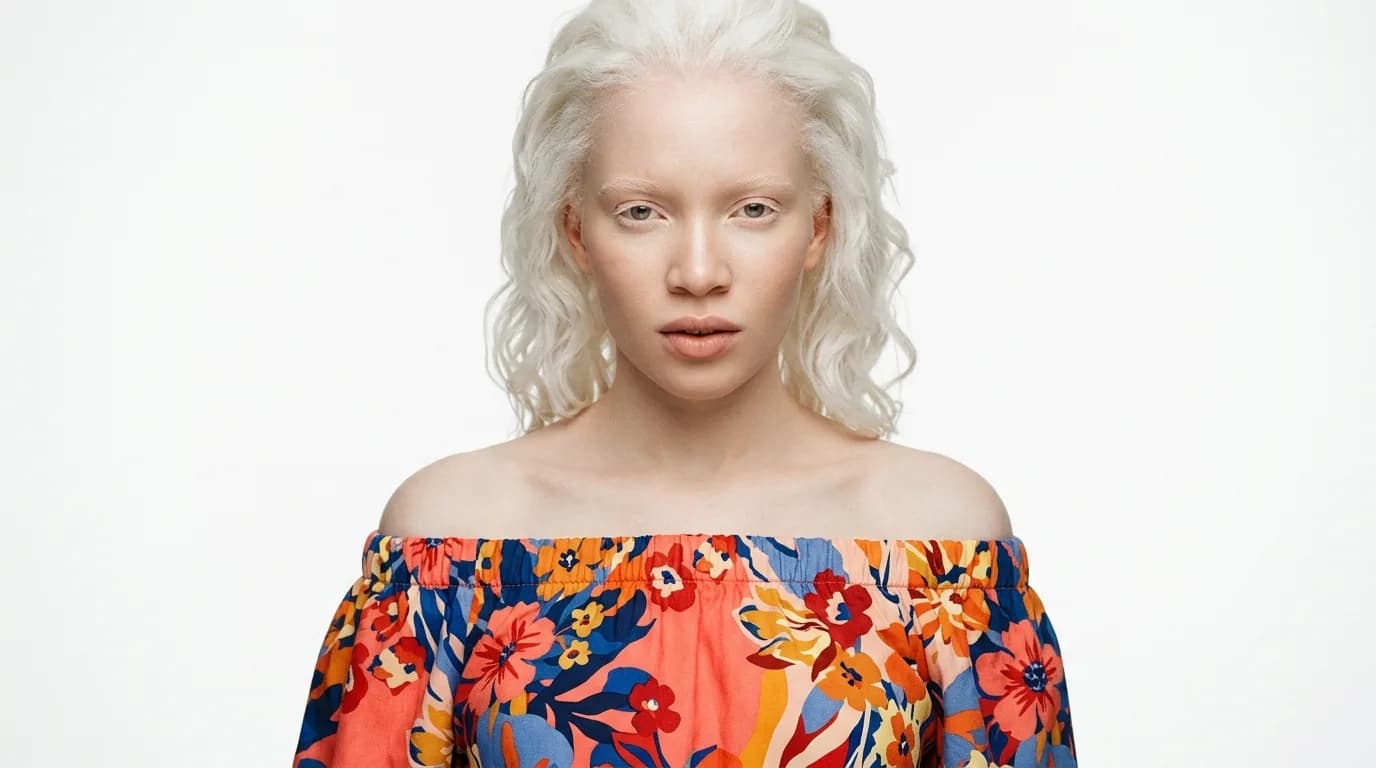
Albinism and Beauty Inspiring Fashion and Style Ideas for Women
Albinism is more than a skin tone, and beauty has never belonged to just one shade. Discover what albinism means, explore fashion and beauty inspiration for people with albinism, and learn why representation, understanding, and self-expression matter.
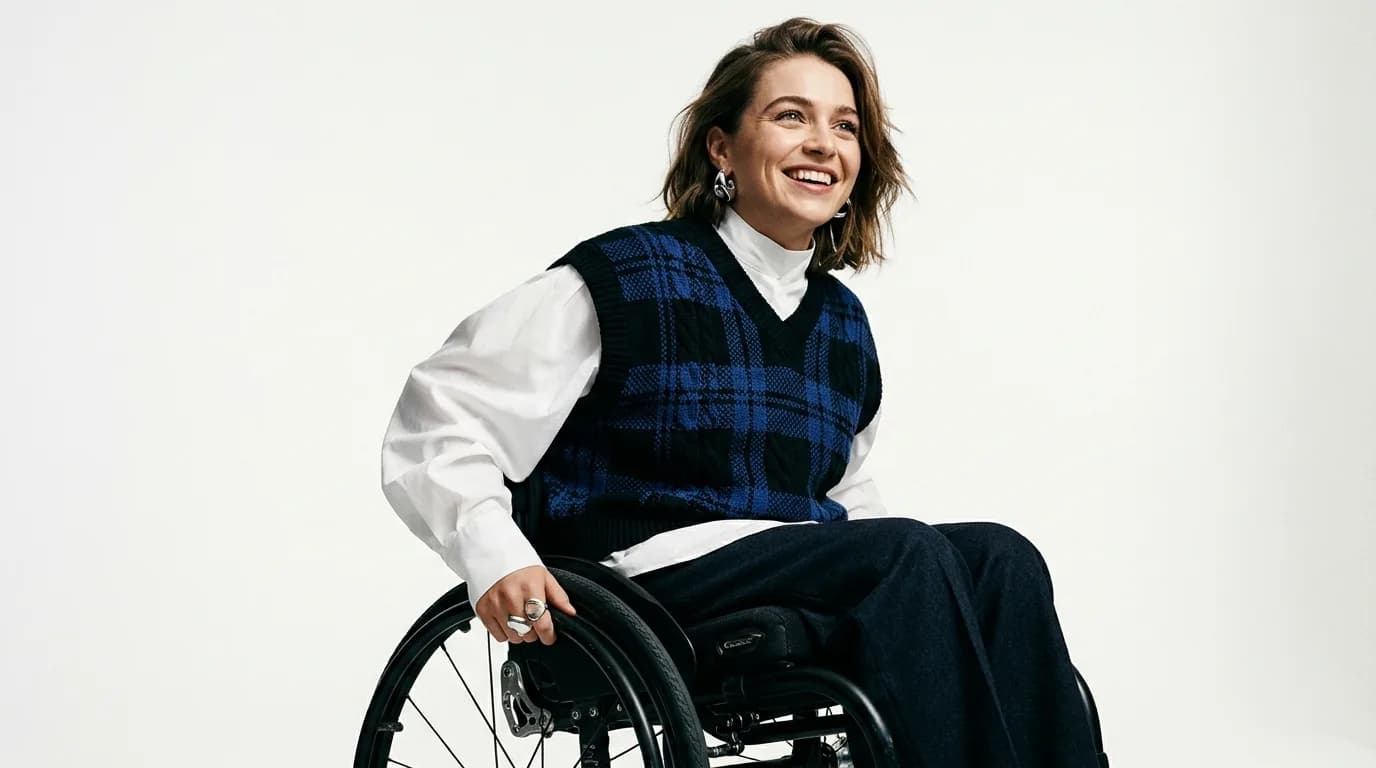
What Is Adaptive Fashion and Why It Matters
Learn what adaptive fashion is, how accessible clothing makes everyday dressing easier, and why inclusive style matters for people with disabilities.
Style notes, twice a month
Adaptive fashion finds, accessible brands worth your money, and honest reviews. No spam, unsubscribe any time.