
How to Choose Adaptive Dresses for Seated Wear
Find out how to choose stylish adaptive dresses for seated wear. Explore comfortable fabrics, flattering cuts, practical details, and wheelchair-friendly designs.
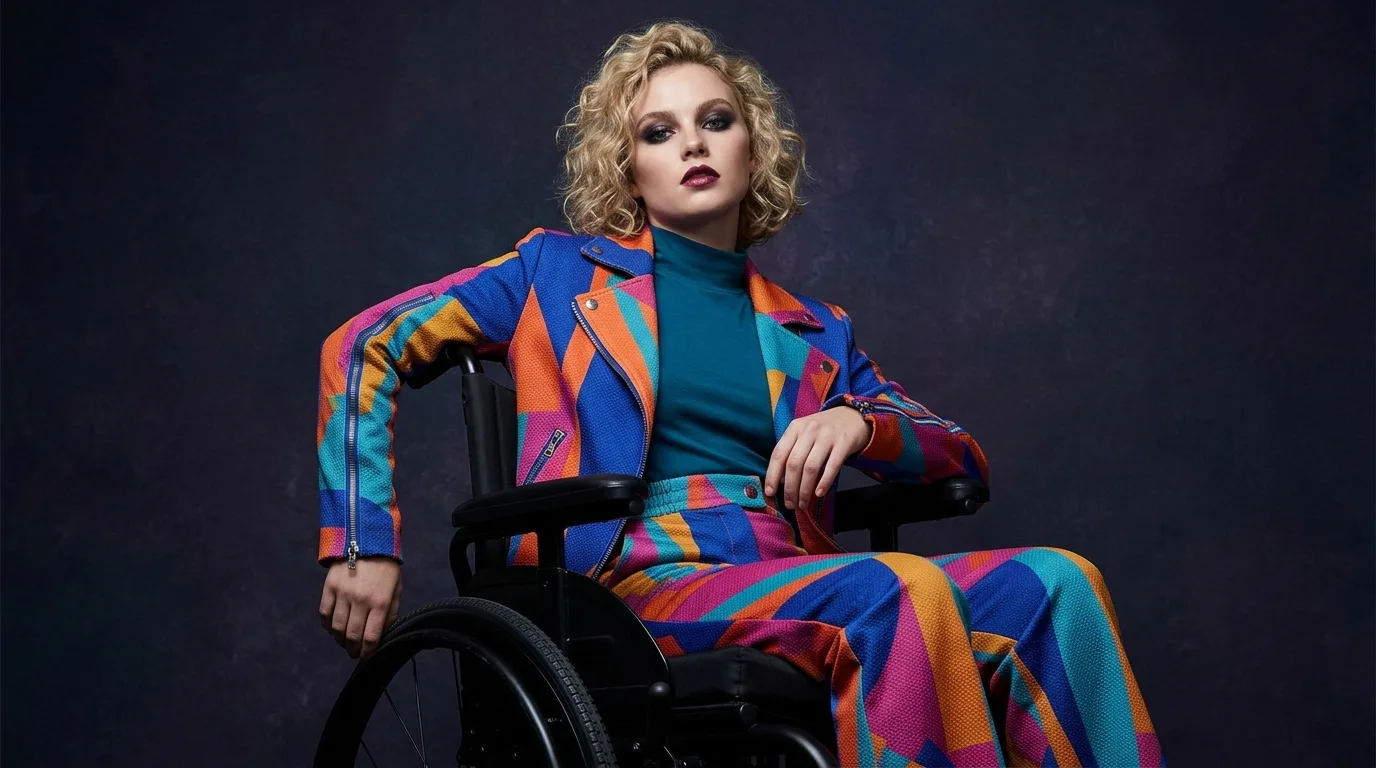
Finding a dress that looks good, feels comfortable, and works well while sitting doesn't have to be difficult. Adaptive fashion makes getting dressed easier with thoughtful details like accessible closures, flexible fabrics, comfortable waistlines, and cuts designed for seated wear. If you're new to the concept, read our guide on what adaptive fashion is and why it matters to understand how thoughtful clothing design can make everyday dressing more accessible.
Whether you use a wheelchair, spend long hours sitting, or simply prefer clothes that offer more freedom of movement, the right dress can make a big difference. Here are 15 ideas to help you choose adaptive dresses that balance personal style with everyday comfort.
1. Choose Dresses With a Relaxed Waistline#
#
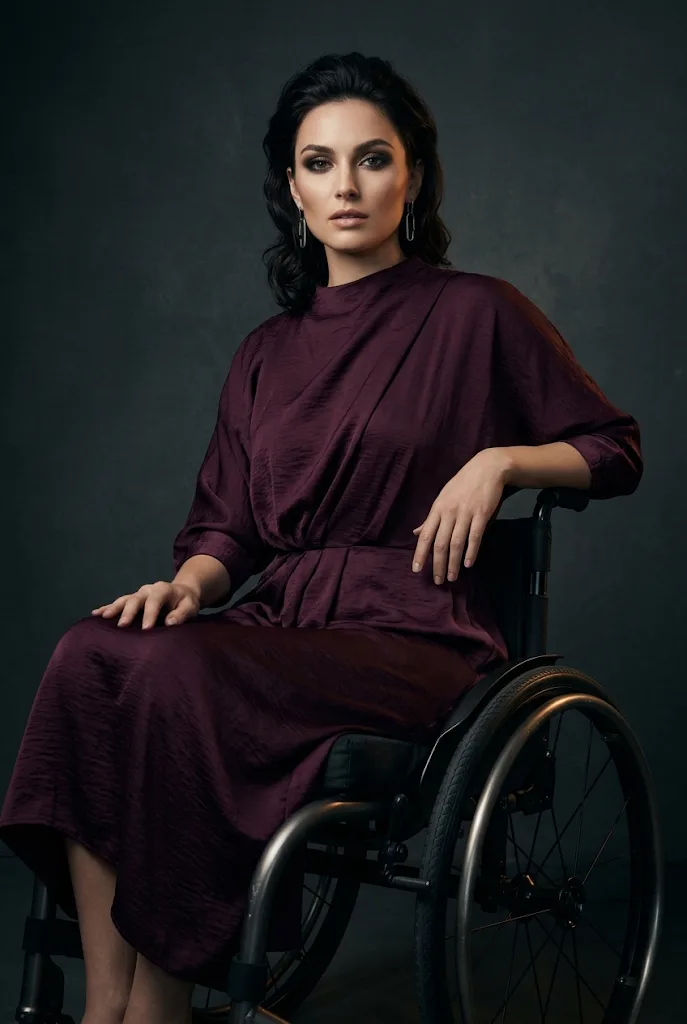
A fitted waist can feel restrictive when you're sitting for extended periods. Look for dresses with relaxed waistlines, gentle shaping, or an empire cut that provides room around the midsection. These styles create a flattering silhouette without putting unnecessary pressure on your stomach.
2. Try Wrap Dresses With Adjustable Closures#
#
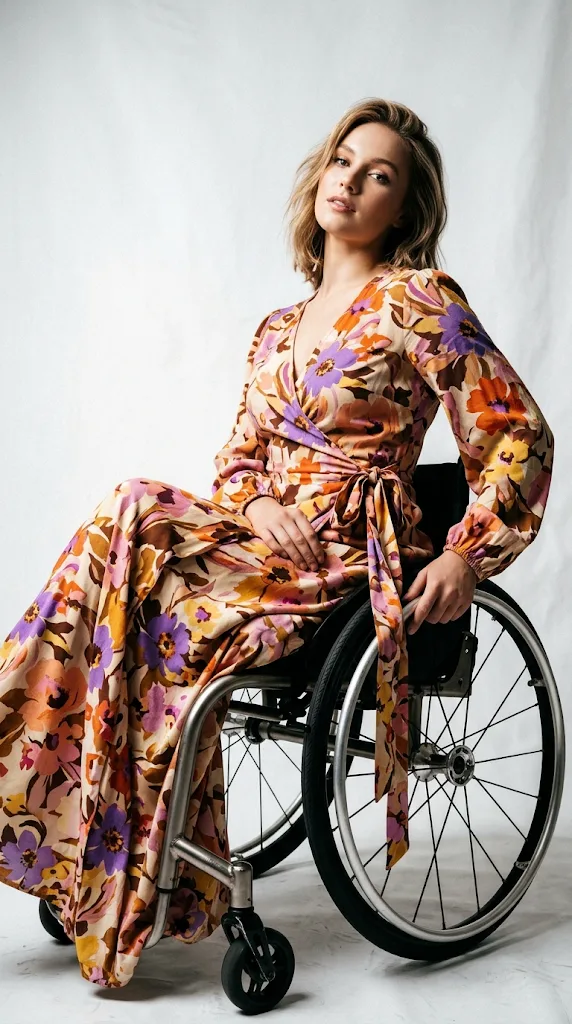
Wrap dresses are a versatile option because they allow you to adjust the fit to your preference. Look for designs with secure ties, discreet snaps, or easy-to-use fasteners. If reaching around your back is difficult, choose a front-fastening version instead.
3. Look for Soft, Stretchy Fabrics#
#
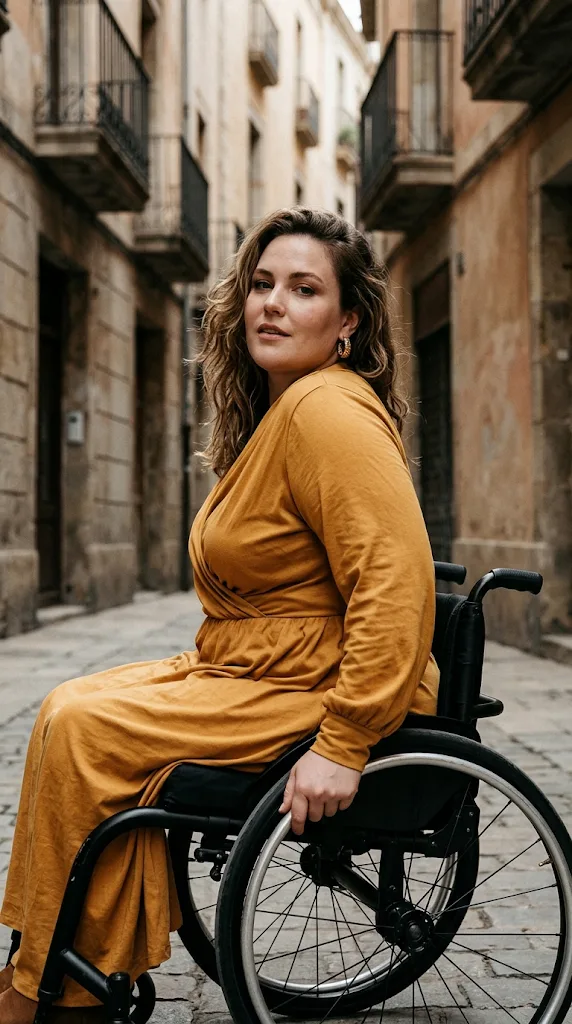
Fabric matters just as much as the design. Cotton jersey, stretch blends, and soft knits can move with your body without feeling stiff. These materials are especially useful for everyday dresses because they offer flexibility and are generally easy to maintain.
4. Consider A-Line Dresses#
#
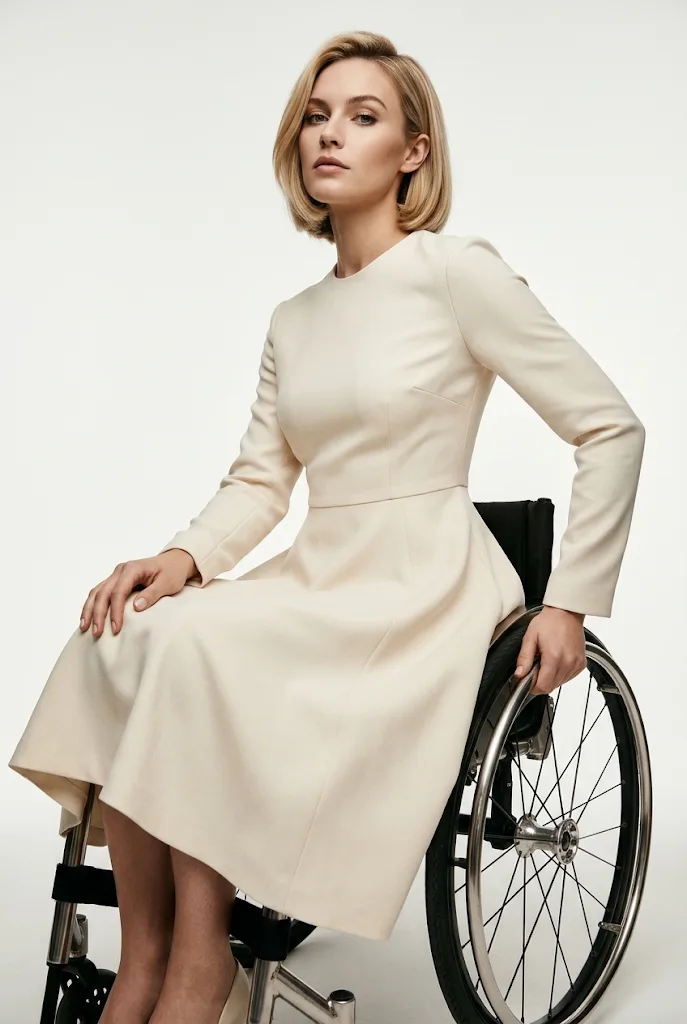
A-line dresses gradually widen from the waist, creating room around the hips and thighs. This shape can provide a comfortable fit while sitting and still look polished. Choose a length that suits your mobility needs and doesn't bunch excessively around your lap.
5. Pick Dresses With Easy Front Closures#
#
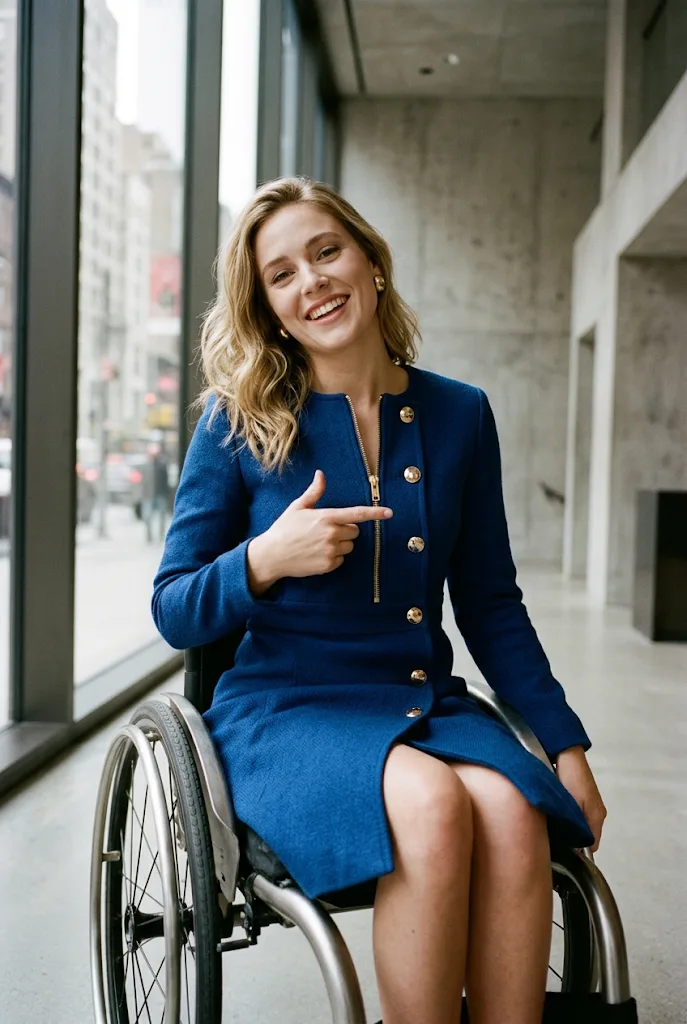
Buttons, zippers, and hooks at the back can be challenging to manage without assistance. Dresses with front zippers, magnetic closures, or strategically placed snaps can make dressing simpler. Always check that the closure is secure and comfortable against your skin.
6. Find the Right Dress Length#
#
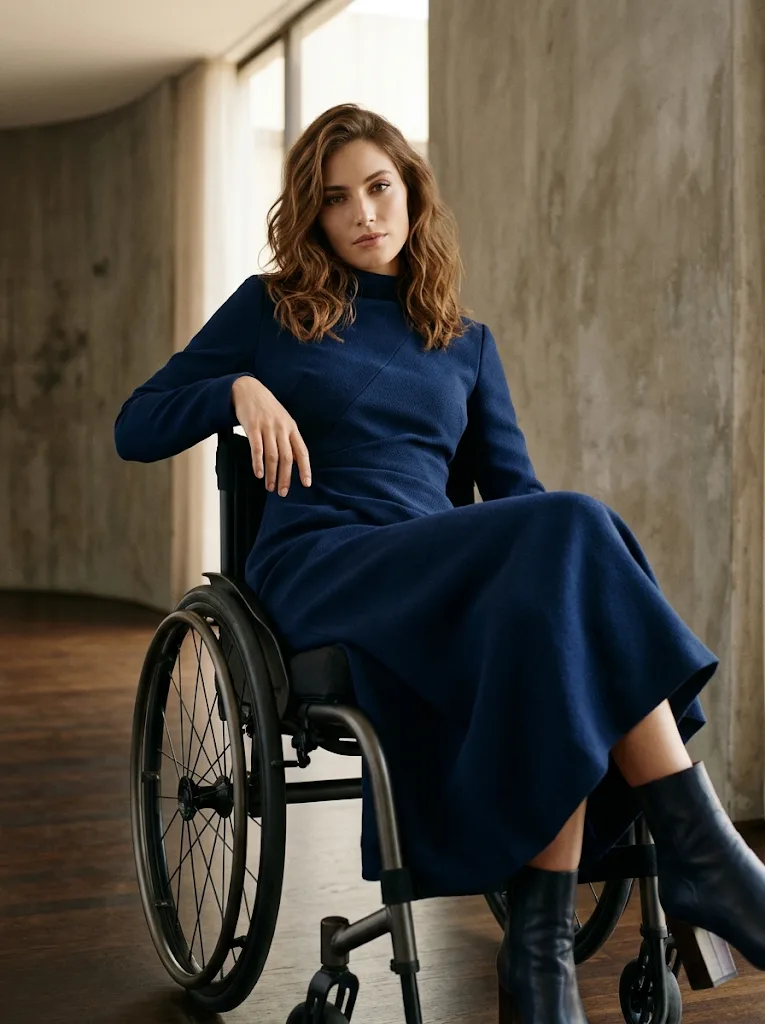
A dress that looks perfect while standing may sit differently in a wheelchair. Knee-length, midi, and shorter designs can all work, depending on your preferences and seating position. Pay attention to how the hem falls across your lap and legs to avoid excess fabric getting caught in wheels or equipment.
The right fit and length can make everyday dressing much easier, especially when comfort and mobility are priorities. For more practical inspiration, take a look at our guide to 10 stylish everyday outfits for women with disabilities, featuring comfortable outfit ideas designed with real everyday needs in mind.
7. Choose Dresses With Flat Seams#
#
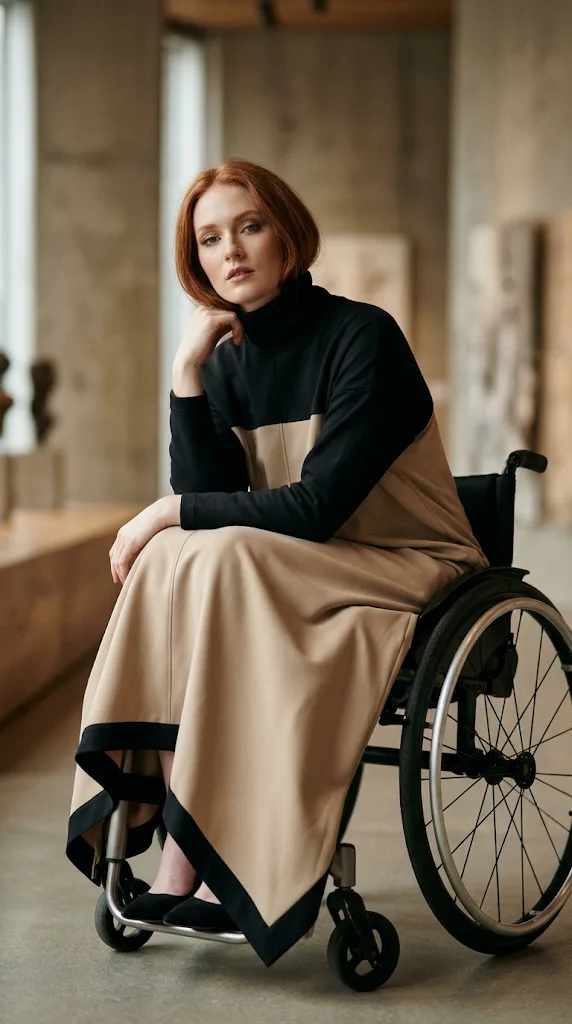
Raised seams, bulky embellishments, and thick stitching can create uncomfortable pressure during prolonged sitting. Look for smooth construction, flat seams, and minimal detailing around the hips and lower back. These small design features can make a dress much more comfortable throughout the day.
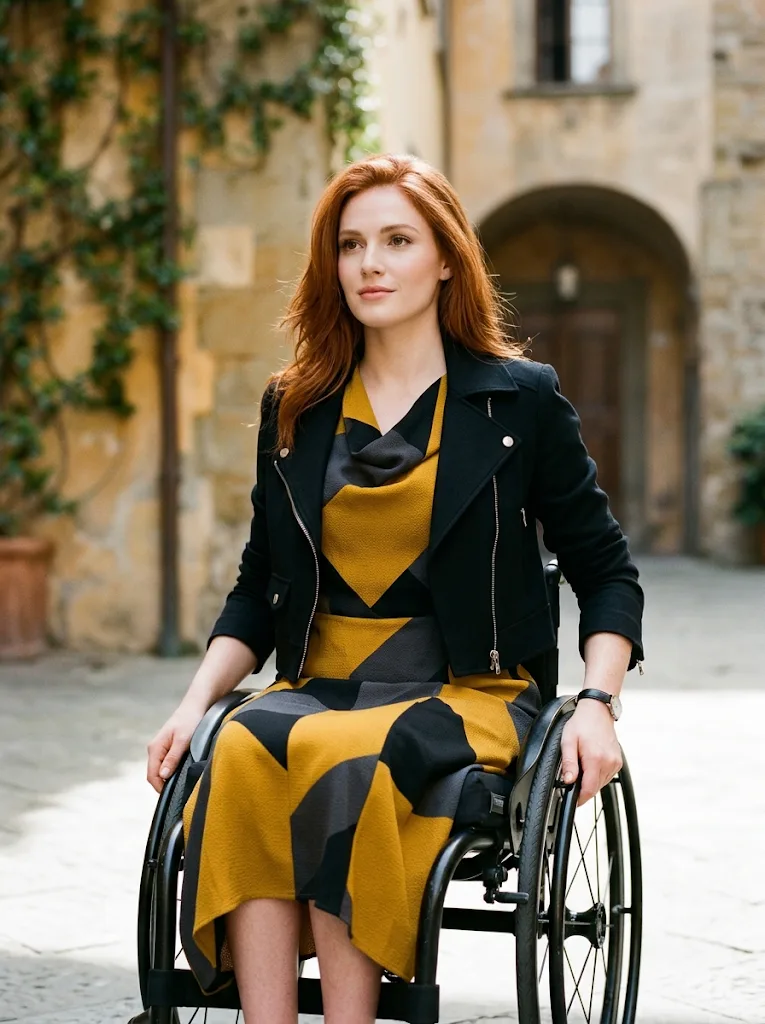
8. Try Sleeveless Dresses for Easy Layering#
#
Sleeveless dresses can make getting dressed and adding layers easier, particularly if tight sleeves limit shoulder or arm movement. Wear one with a lightweight cardigan, an open-front jacket, or a soft shawl when you want extra coverage.
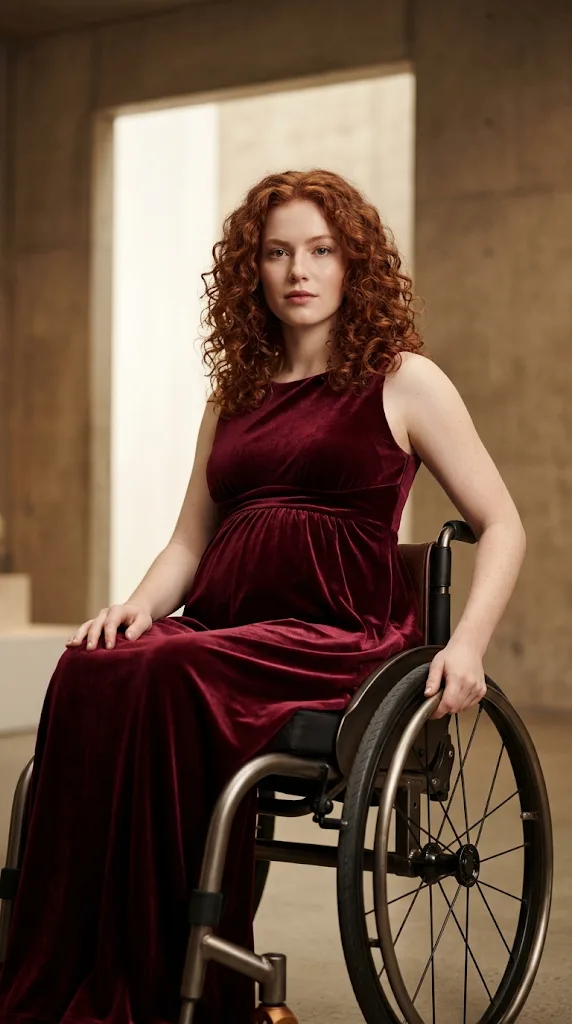
9. Experiment With Empire-Waist Designs#
#
Empire-waist dresses sit just below the bust and flow loosely over the abdomen. This design offers extra room through the midsection while creating an elegant shape. Look for soft fabrics that drape naturally instead of stiff materials that may bunch when seated.
10. Choose Dresses With Breathable Materials#
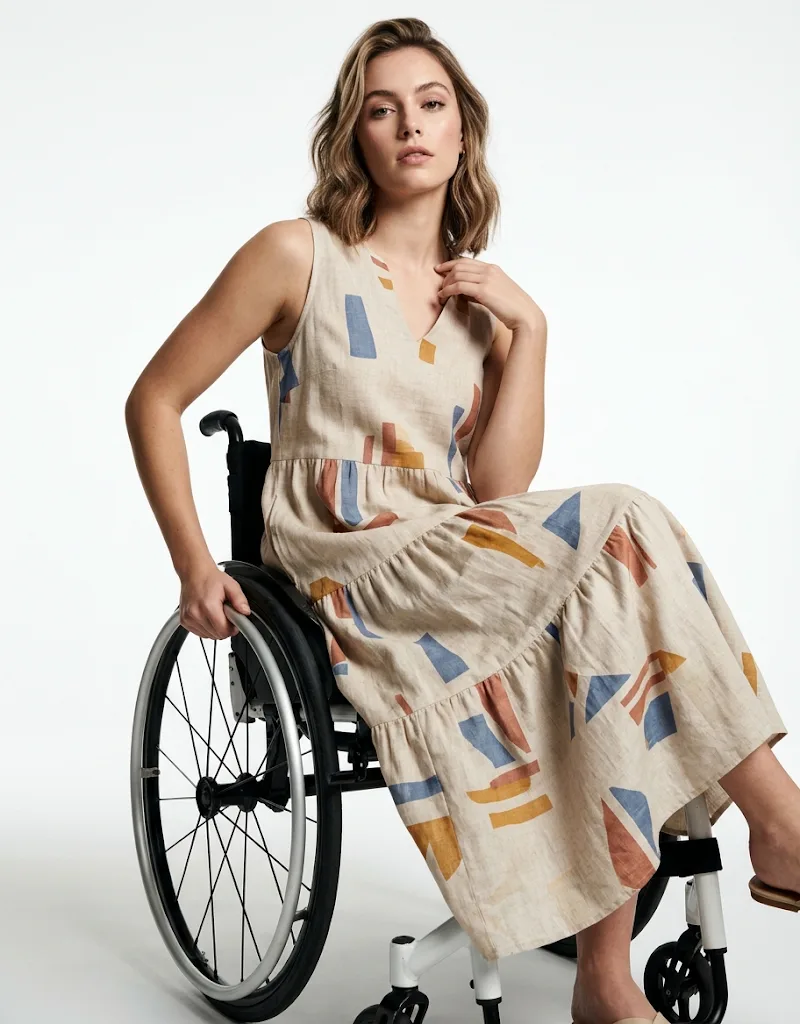
If you spend much of the day sitting, breathable fabrics can help you stay comfortable. Cotton, linen blends, and lightweight viscose are worth considering, depending on the climate and care requirements. For hot weather, look for dresses that allow airflow without feeling heavy against your skin.
11. Explore Adaptive Shirt Dresses#
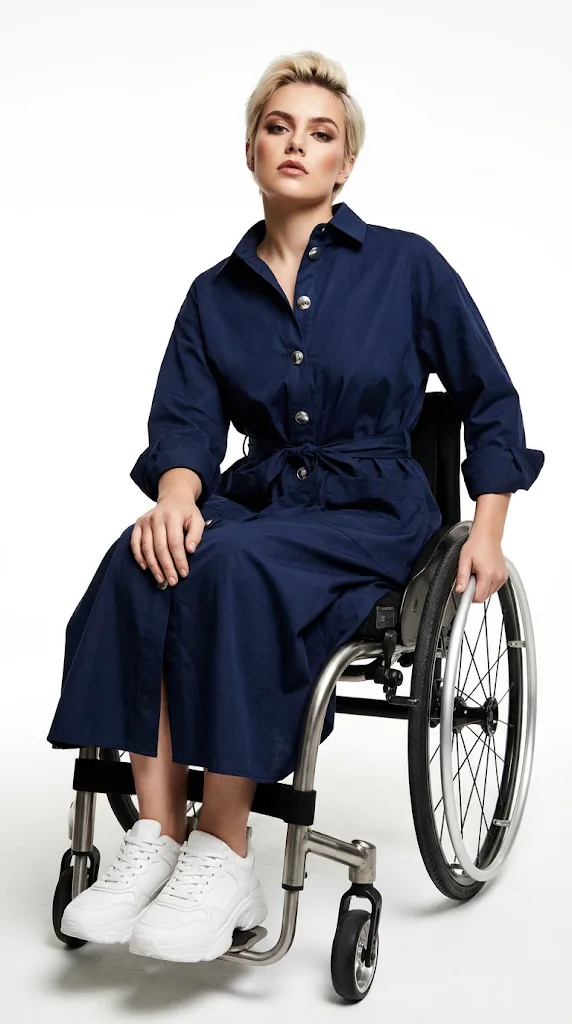
Shirt dresses combine a classic look with practical styling. Front buttons can make dressing easier, while a relaxed fit offers room for movement. For greater accessibility, consider designs with larger buttons, magnetic fasteners, or concealed snaps that require less fine-motor control.
12. Look for Dresses Without Bulky Back Details#
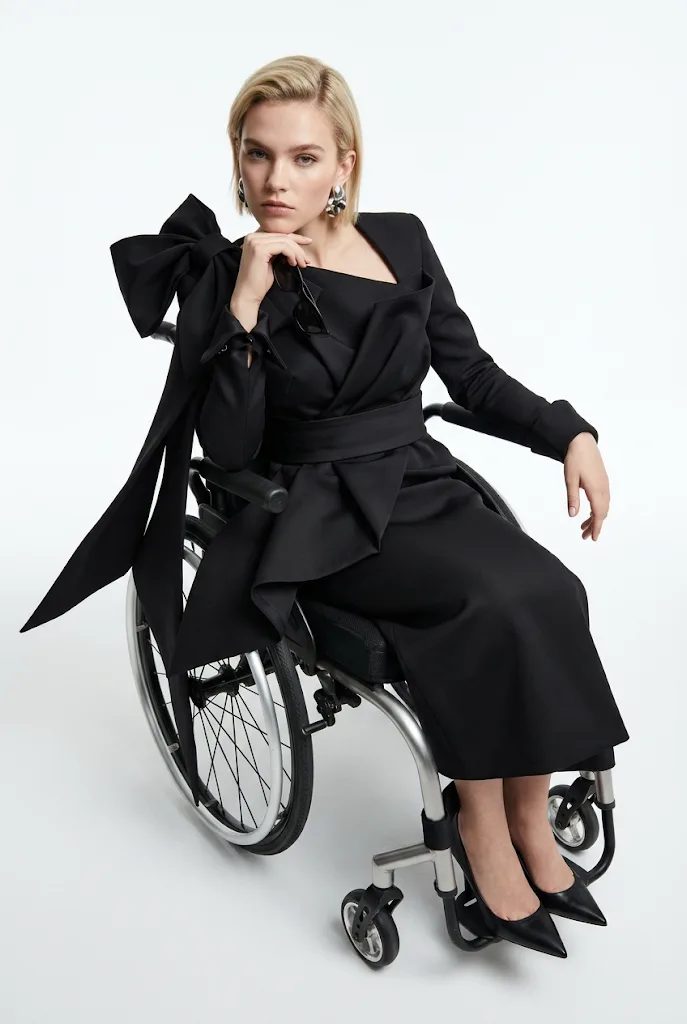
Large bows, thick seams, oversized pockets, and decorative zippers at the back may cause discomfort when leaning against a wheelchair or chair. Choose dresses with a smooth back panel and keep decorative details toward the neckline, sleeves, or front if you prefer a more embellished look.
13. Try Elasticated or Adjustable Features#
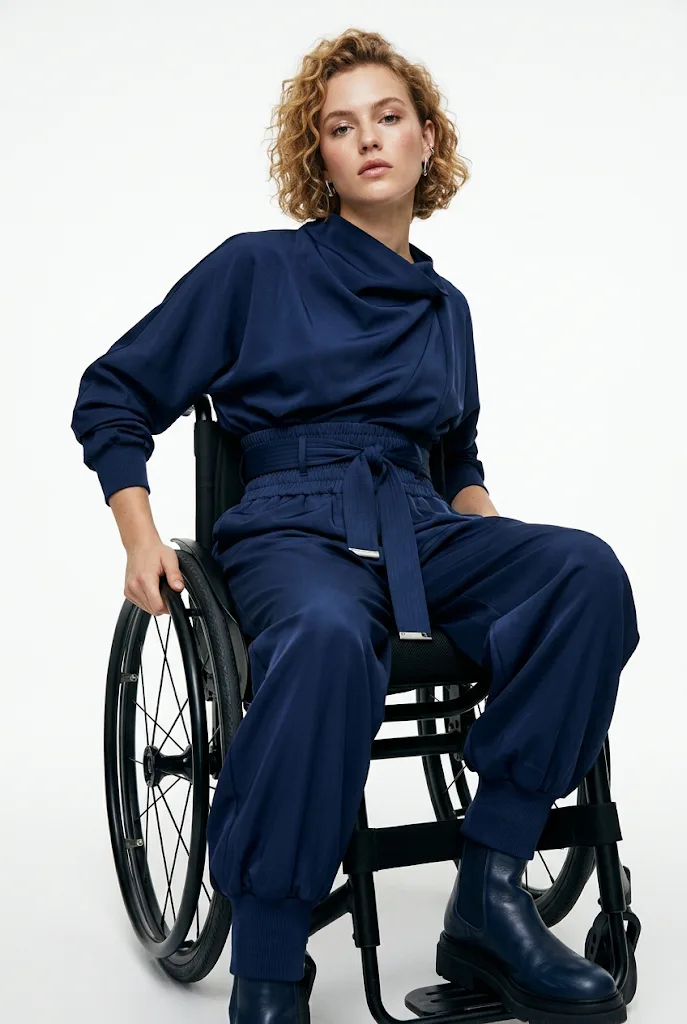
Flexible waistbands and adjustable ties can help you customize the fit throughout the day. However, elastic should feel supportive rather than tight. Choose dresses with soft, wide waistbands or discreet adjustment features that don't dig into the skin when seated.
14. Make Pockets Part of Your Checklist#
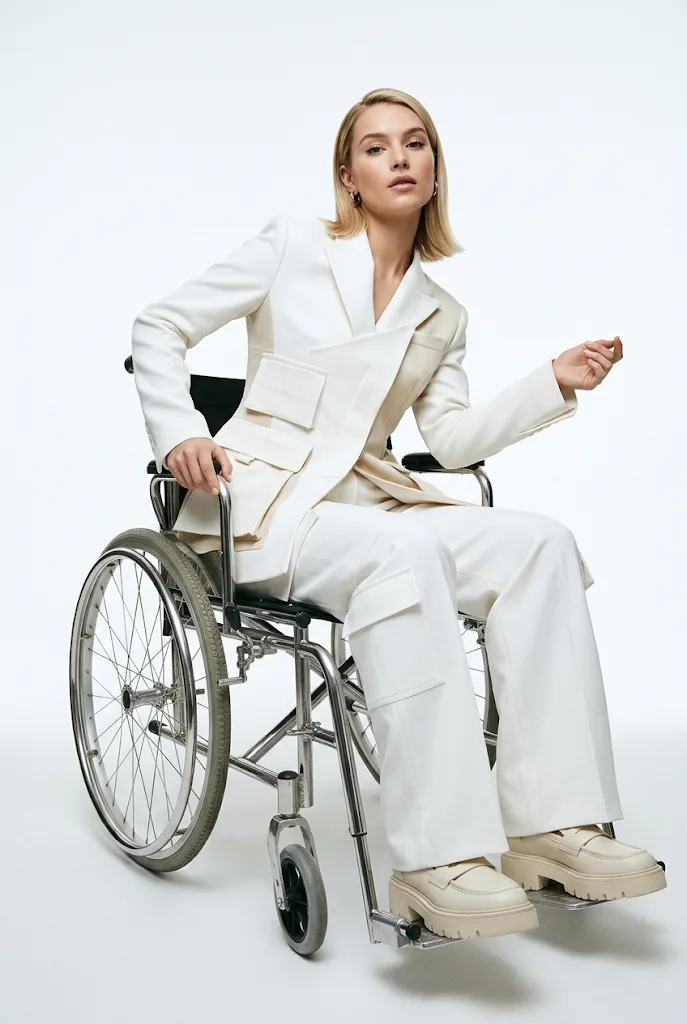
Pockets are useful for carrying small essentials, but their placement matters. Front or side pockets may be easier to access than deep back pockets. Look for pockets that lie flat and don't add unnecessary bulk around your hips.
15. Choose Colors and Prints That Match Your Style#
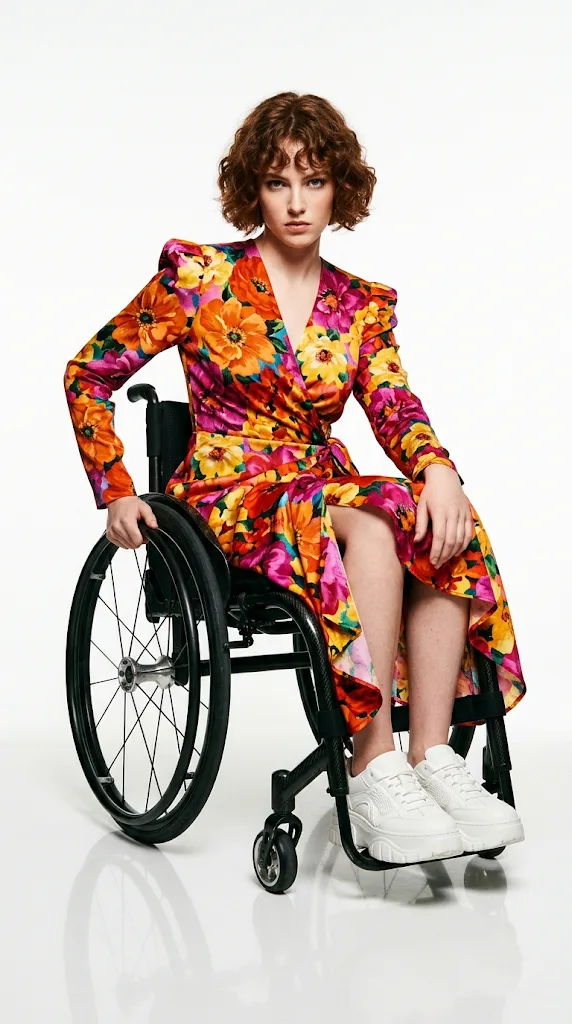
Comfort and accessibility don't mean sacrificing personal style. Solid colors such as black, navy, burgundy, and olive are easy to coordinate, while floral prints, stripes, and geometric patterns add personality. Choose dresses that reflect your taste and make you feel confident.
It's also worth understanding the difference between adaptive and inclusive fashion. Although the two concepts are closely connected, they serve slightly different purposes. Our guide to adaptive vs. inclusive fashion explains what sets them apart and why both matter when creating a more accessible fashion industry
HWTS Thoughts#
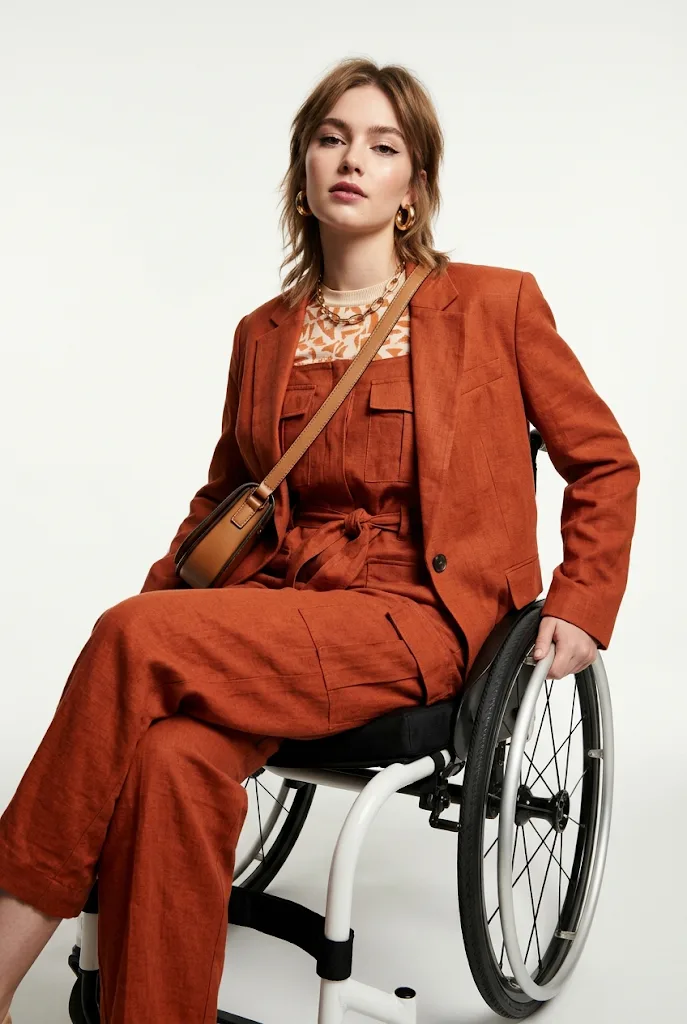
The best adaptive dress is one that works for your body, daily routine, and personal style. Focus on comfortable fabrics, accessible closures, a suitable hemline, and a fit that feels good when seated—not just when standing.
Before purchasing, try the dress in your usual seated position whenever possible. Check how the fabric falls across your lap, whether the waist feels comfortable, and whether you can manage the closures independently if that is important to you.
Adaptive fashion should give you more choices, not fewer. With the right details, you can build a wardrobe that feels practical, stylish, and completely your own.
Her Way to Style celebrates fashion for every woman, with a commitment to inclusive representation, personal expression, and style that makes room for everyone.
About the author
Chioma Arinze
More from Chioma ArinzeKeep reading
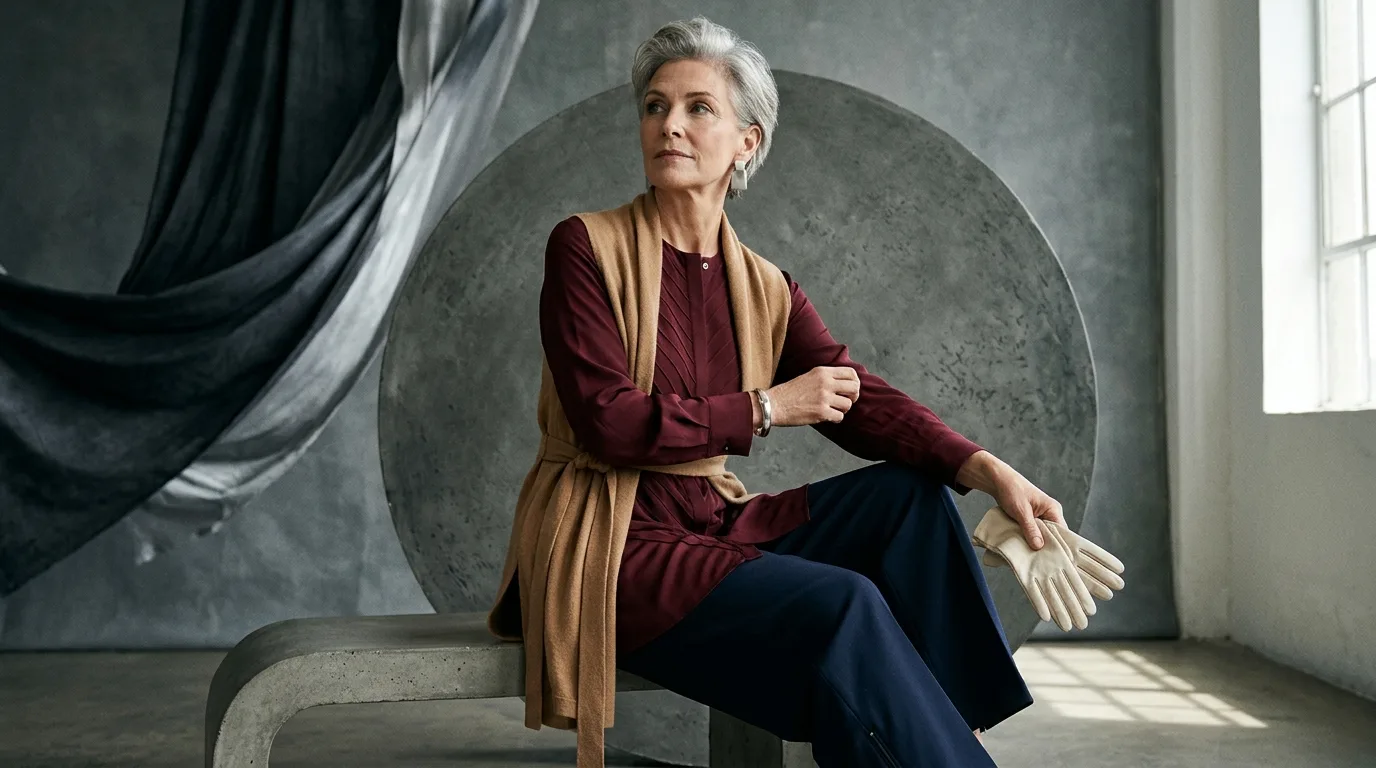
20 Adaptive Clothing Ideas for Arthritis and Joint Pain
Struggling with buttons and zippers? Discover 20 smart adaptive clothing ideas designed for arthritis and joint pain to make dressing easy, stylish, and pain-free.
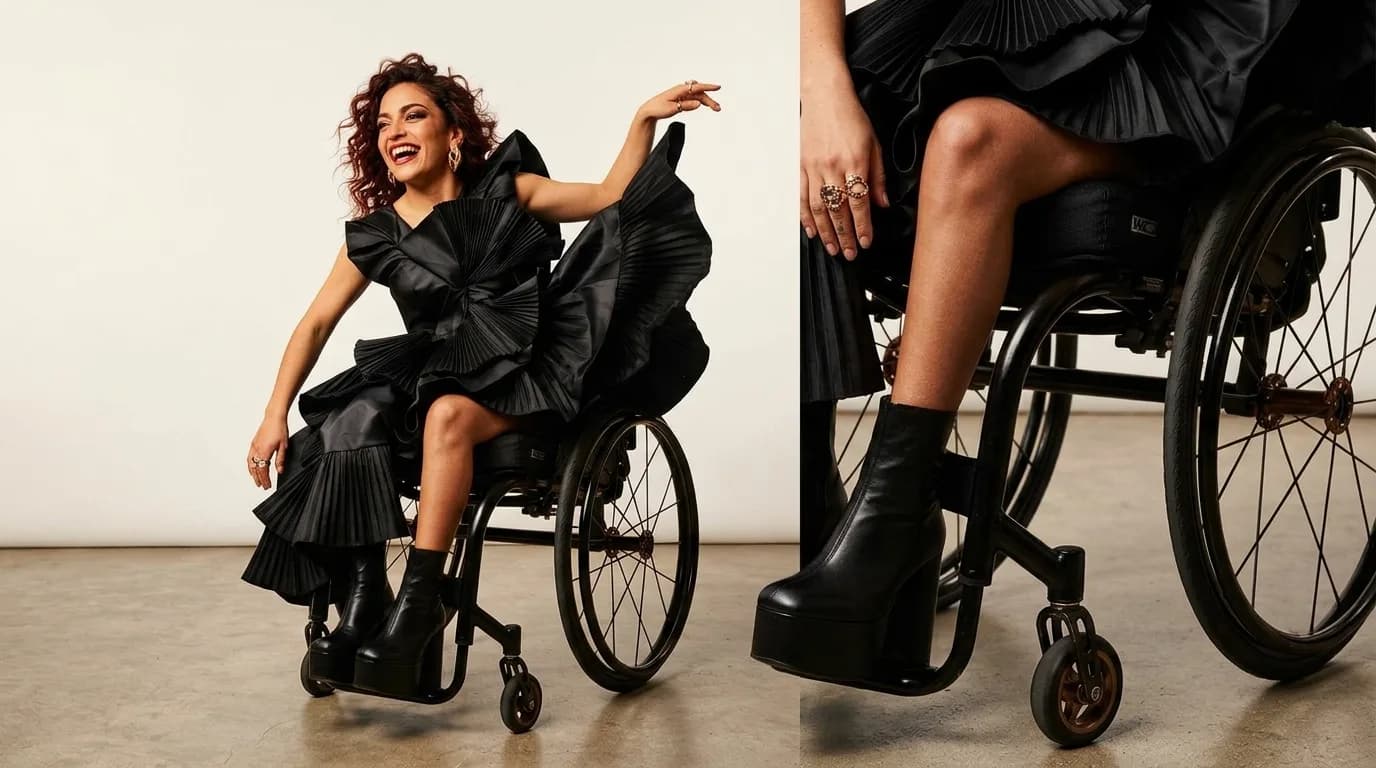
The Difference Between Adaptive and Inclusive Fashion
Learn the key differences between adaptive and inclusive fashion, why both matter, and how functional design creates accessible, stylish clothing for everyone.
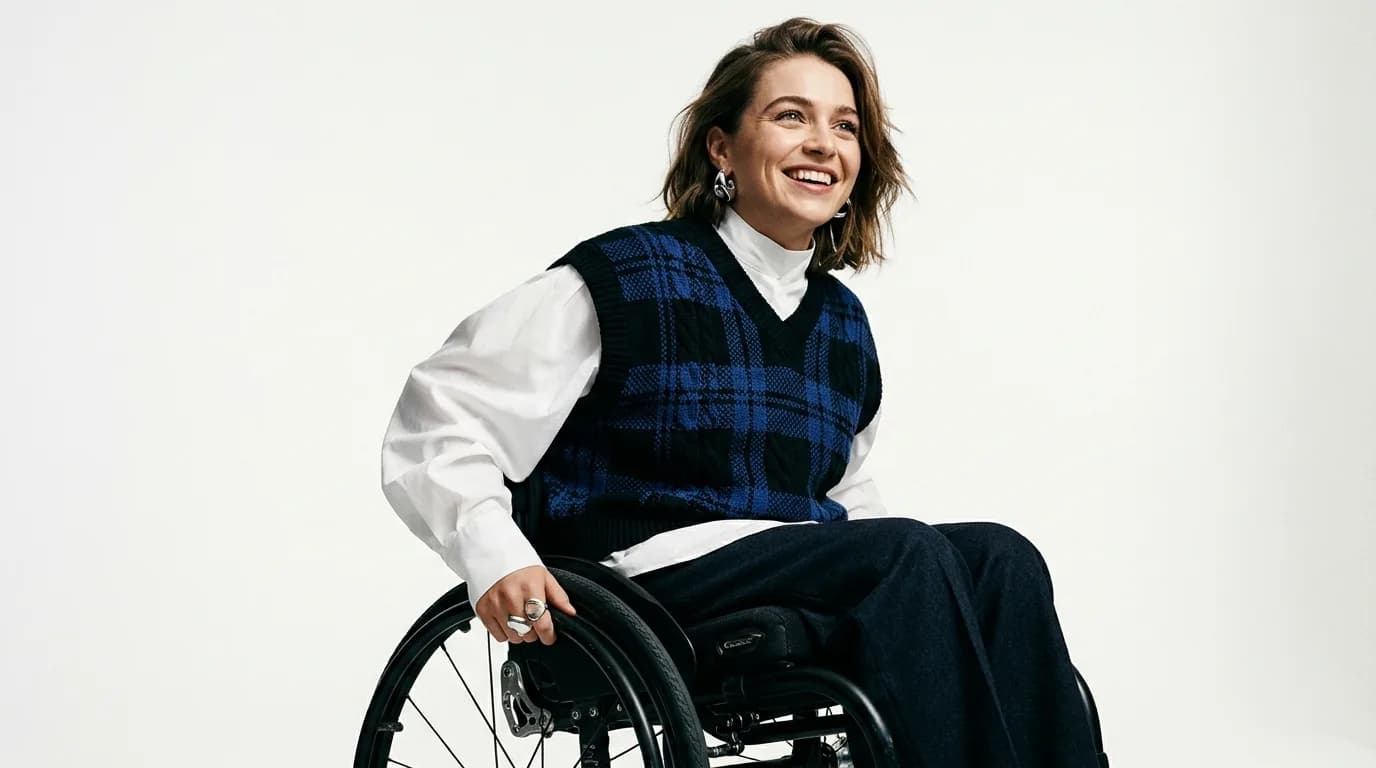
What Is Adaptive Fashion and Why It Matters
Learn what adaptive fashion is, how accessible clothing makes everyday dressing easier, and why inclusive style matters for people with disabilities.
Style notes, twice a month
Adaptive fashion finds, accessible brands worth your money, and honest reviews. No spam, unsubscribe any time.